Aerial Darshan
Chartered Flight - 03 Days
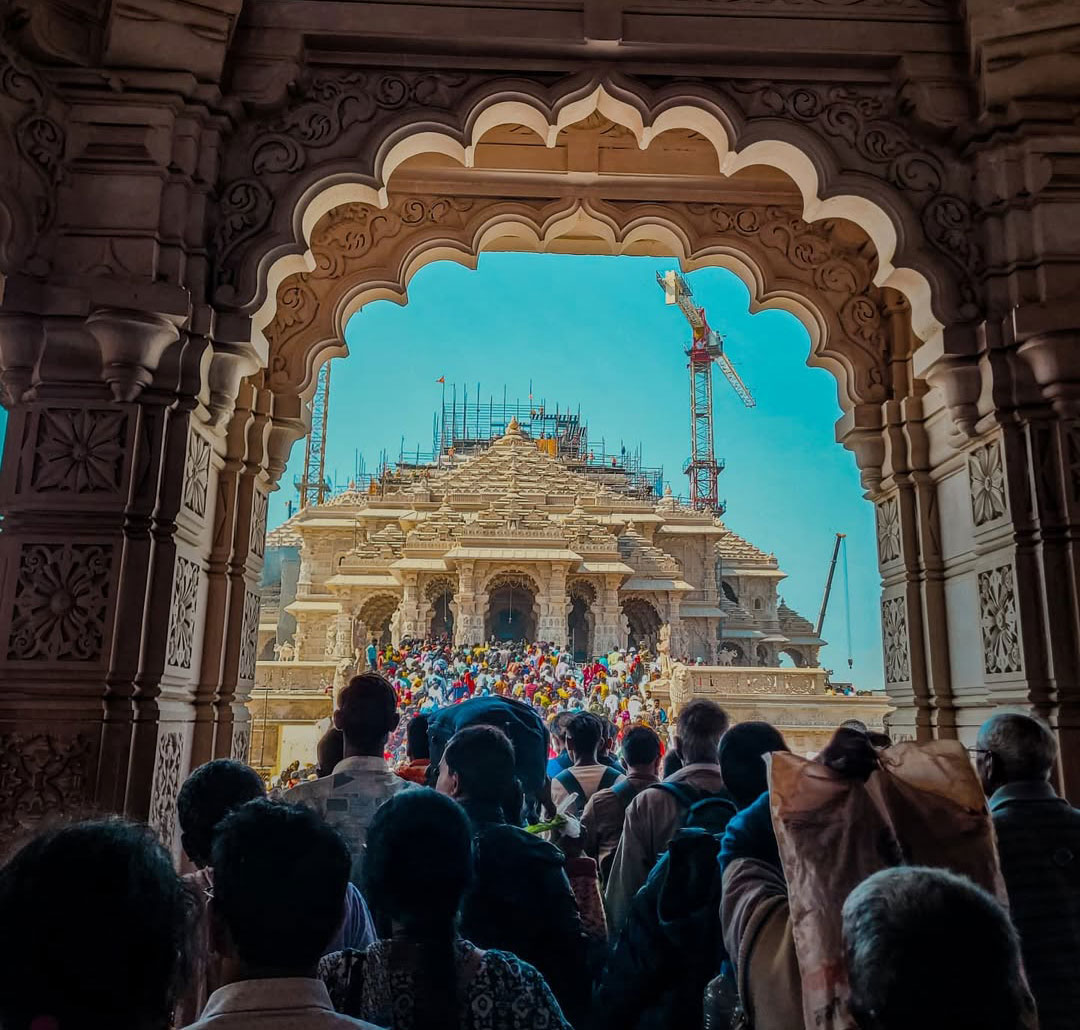
Ayodhya Ram Mandir stands today as one of the most significant spiritual and cultural landmarks of India. More than a temple, it is a living symbol of faith, devotion, sacrifice, and the civilizational continuity of Sanatan Dharma. Located on the sacred land of Ayodhya in Uttar Pradesh, the Ram Mandir marks the birthplace of Lord Shri Ram, the seventh avatar of Lord Vishnu and the central figure of the epic Ramayana.
For millions of devotees across the world, Ayodhya Ram Mandir represents the fulfillment of centuries of belief, perseverance, and spiritual aspiration. Its construction has not only reshaped the religious landscape of India but has also revived Ayodhya’s identity as a global center of spiritual tourism.
Ayodhya is one of the Sapta Puri (seven sacred cities) of Hinduism, revered for thousands of years. Ancient scriptures describe Ayodhya as a prosperous and divine city founded by King Manu, the progenitor of mankind. It later became the capital of the Ikshvaku dynasty, into which Lord Ram was born.
Mentions of Ayodhya can be found in:
⦿ Valmiki’s Ramayana
⦿ Skanda Purana
⦿ Vishnu Purana
⦿ Buddhist and Jain texts
This establishes Ayodhya as a city with uninterrupted religious importance spanning several millennia.
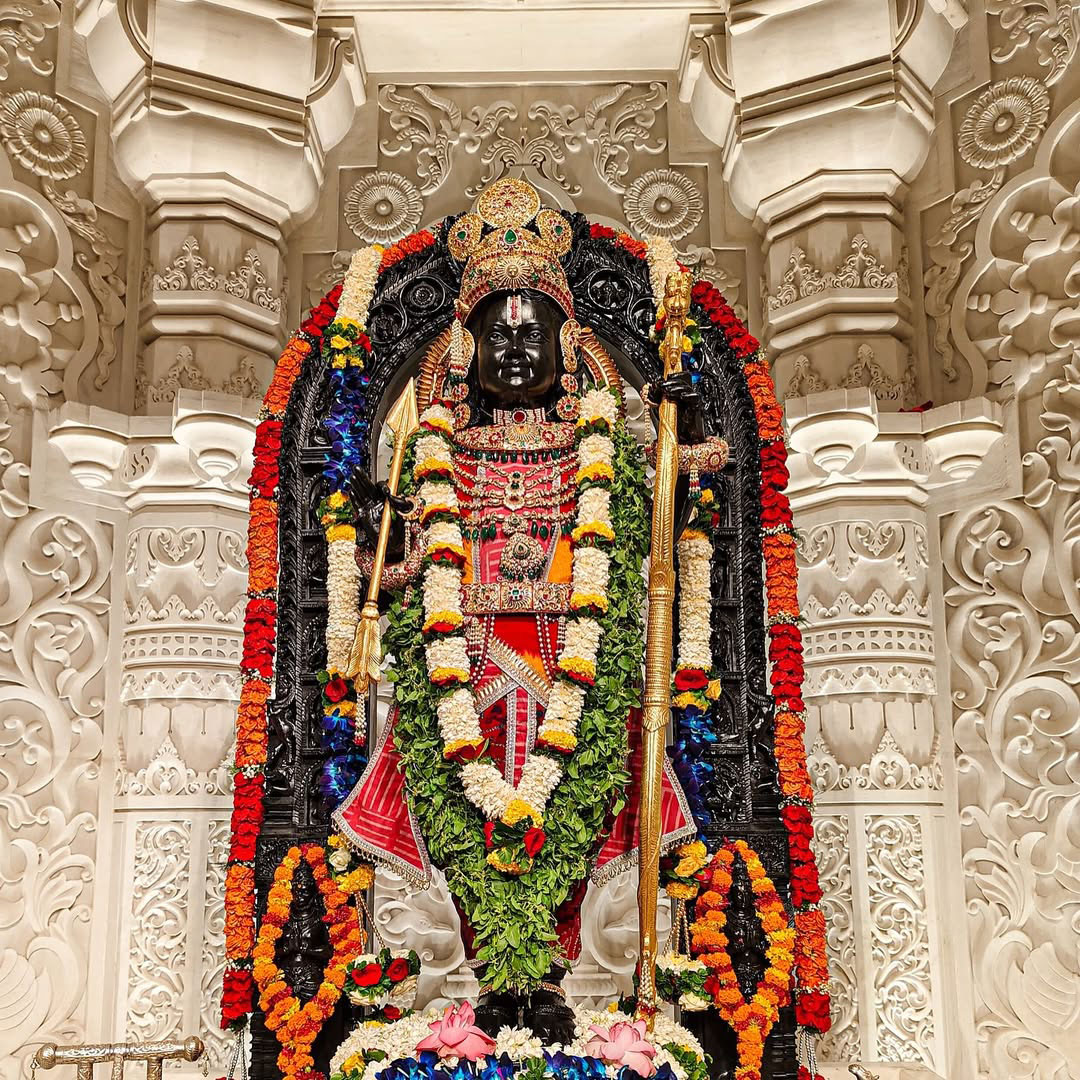
Lord Shri Ram is worshipped as Maryada Purushottam, the ideal human being who upheld righteousness (Dharma) in every aspect of life. His life teaches values such as:
⦿ Truthfulness
⦿ Compassion
⦿ Sacrifice
⦿ Duty over desire
⦿ Respect for elders and justice for all
For devotees, visiting Ayodhya and Ram Mandir is not merely a pilgrimage—it is a spiritual journey toward self-purification and moral awakening.
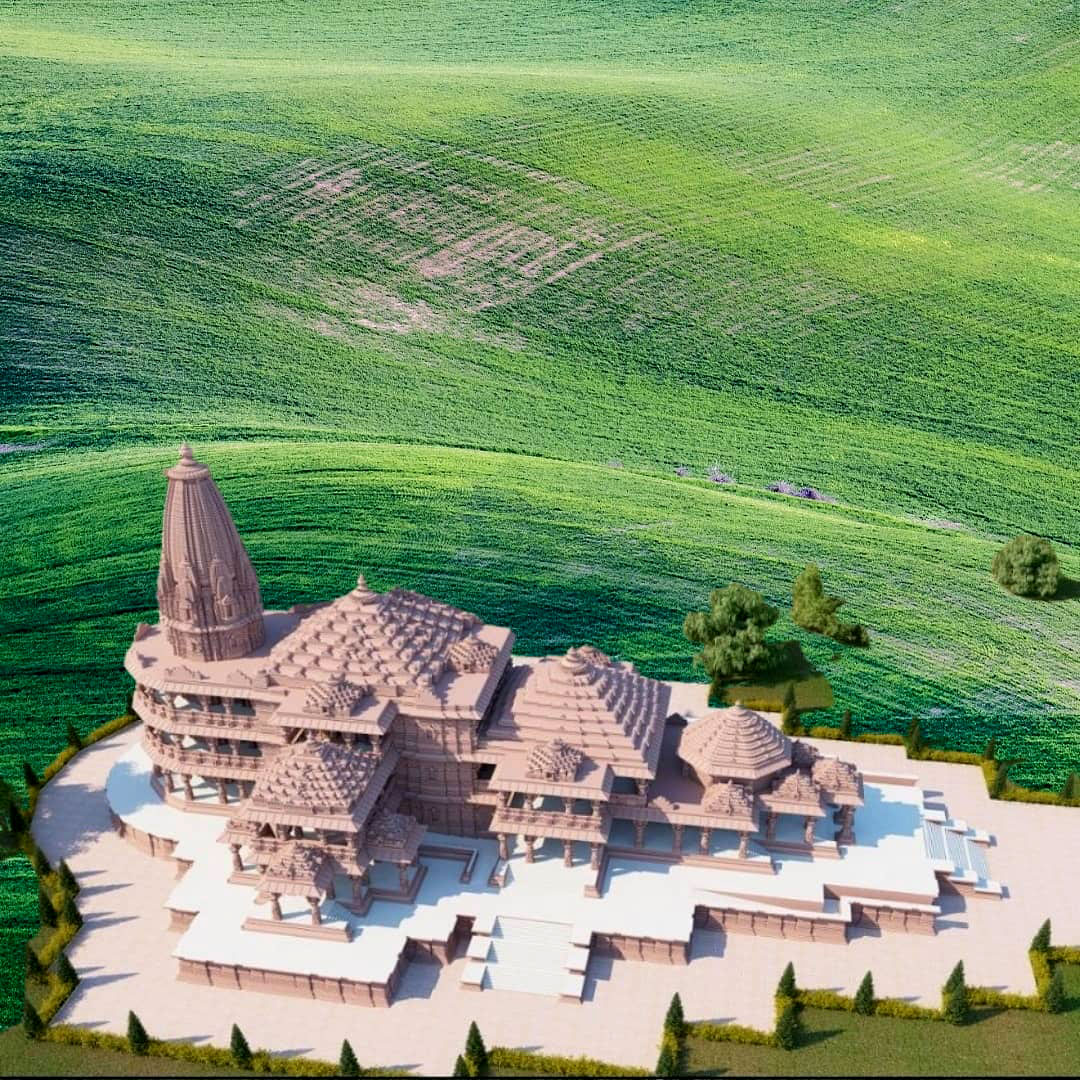
The site of Ram Janmabhoomi has been revered as the birthplace of Lord Ram since ancient times. Archaeological evidence, ancient travelogues, and Hindu scriptures consistently point to this location as a sacred site.
Key historical references include:
⦿ Accounts by Chinese traveler Xuanzang (7th century)
⦿ Records of medieval Hindu saints
⦿ Archaeological Survey of India (ASI) findings indicating a large Hindu structure beneath the disputed site
Despite facing centuries of invasions, destruction, and disputes, the faith of devotees in Ram Janmabhoomi never diminished.
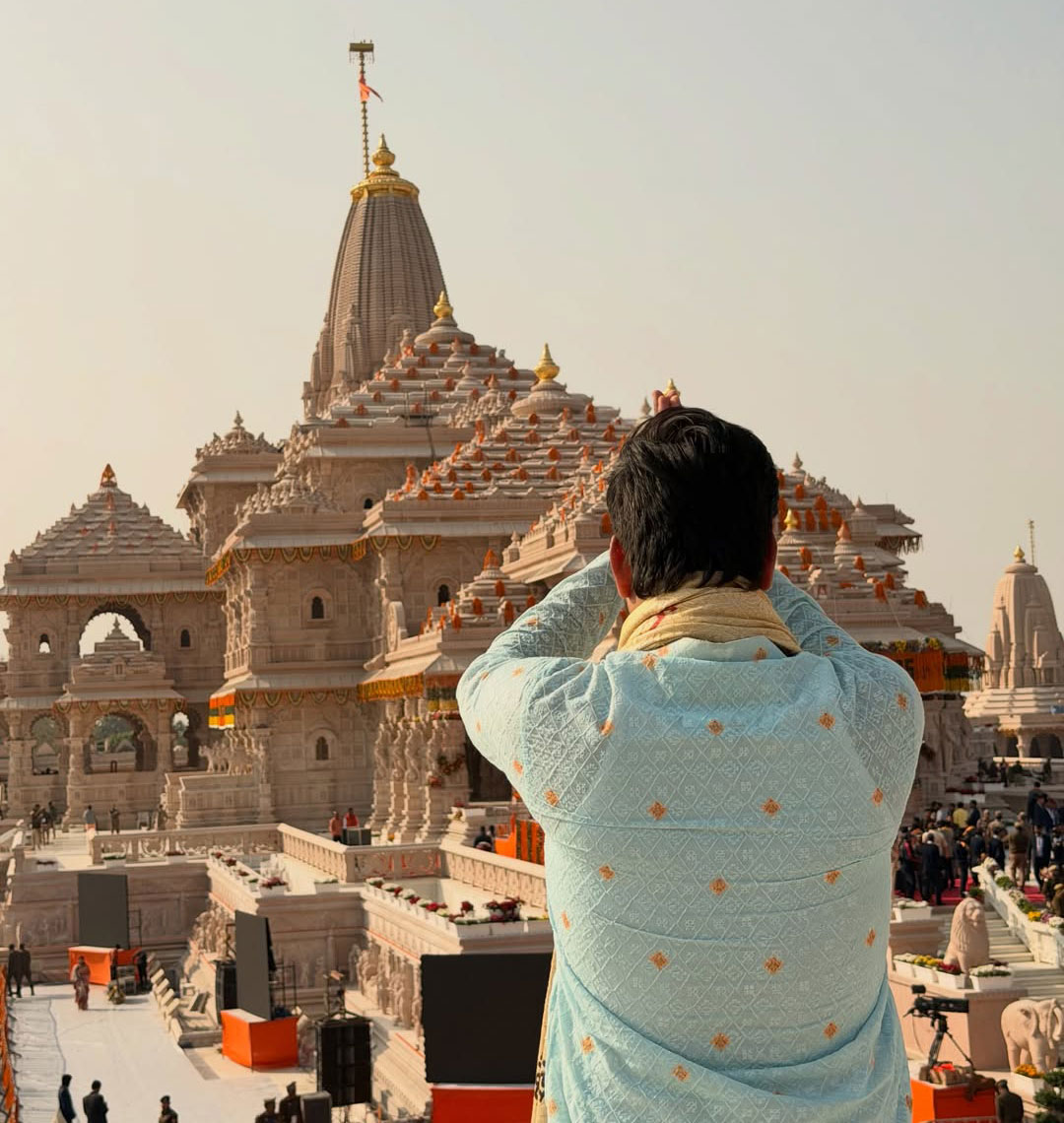
The Ram Janmabhoomi movement was one of the most significant socio-religious movements in modern Indian history. It symbolized the collective aspiration of millions of Hindus to reclaim and restore their most sacred site.
Key milestones include:
⦿ Continuous worship and resistance during medieval periods
⦿ Organized movements in the 19th and 20th centuries
⦿ Nationwide participation by saints, devotees, and social organizations
The movement remained largely peaceful and was guided by legal, constitutional, and spiritual means.
On 9 November 2019, the Supreme Court of India delivered a unanimous verdict granting the land for the construction of Ram Mandir while ensuring alternate land for a mosque.
This historic judgment was hailed as:
⦿ A victory for constitutional justice
⦿ A peaceful resolution to a long-standing dispute
⦿ A step toward social harmony and national unity
The verdict paved the way for the construction of a grand temple dedicated to Lord Ram.
The Bhoomi Pujan ceremony was held on 5 August 2020, marking the formal beginning of the temple’s construction.
Architectural Highlights
⦿ Built in Nagara style, traditional North Indian temple architecture
⦿ Constructed entirely using pink sandstone from Rajasthan
⦿ No iron used, ensuring longevity for over 1,000 years
⦿ Three floors with intricately carved pillars and sculptures
Dimensions
⦿ Length: approx. 360 feet
⦿ Width: approx. 235 feet
⦿ Height: approx. 161 feet
The temple complex is designed to be earthquake-resistant and environmentally sustainable.

Ayodhya Ram Mandir is not only a religious structure but a cultural renaissance of India’s ancient heritage.
Spiritual Importance
⦿ Marks the exact birthplace of Lord Ram
⦿ Revives ancient Vedic rituals and temple traditions
⦿ Acts as a center for bhakti (devotion) and dharma
Cultural Importance
⦿ Showcases ancient Indian craftsmanship
⦿ Revives traditional stone-carving arts
⦿ Strengthens India’s spiritual identity on the global stage
The Pran Pratishtha ceremony, held in January 2024, marked the installation of the idol of Ram Lalla in the sanctum sanctorum.
This sacred ritual symbolized:
⦿ The awakening of divine energy in the temple
⦿ Completion of a historic spiritual journey
⦿ A moment of collective celebration for devotees worldwide
Millions participated through live broadcasts, prayers, and celebrations.
Post Ram Mandir inauguration, Ayodhya has emerged as one of the fastest-growing spiritual tourism destinations in India.
Infrastructure Development
⦿ Ayodhya International Airport (Maharishi Valmiki Airport)
⦿ Modern railway station
⦿ Ram Path and devotional corridors
⦿ Hotels, dharamshalas, and cultural centers
Major Attractions in Ayodhya
⦿ Ram Janmabhoomi
⦿ Hanuman Garhi
⦿ Kanak Bhawan
⦿ Saryu River Ghats
⦿ Nageshwar Nath Temple
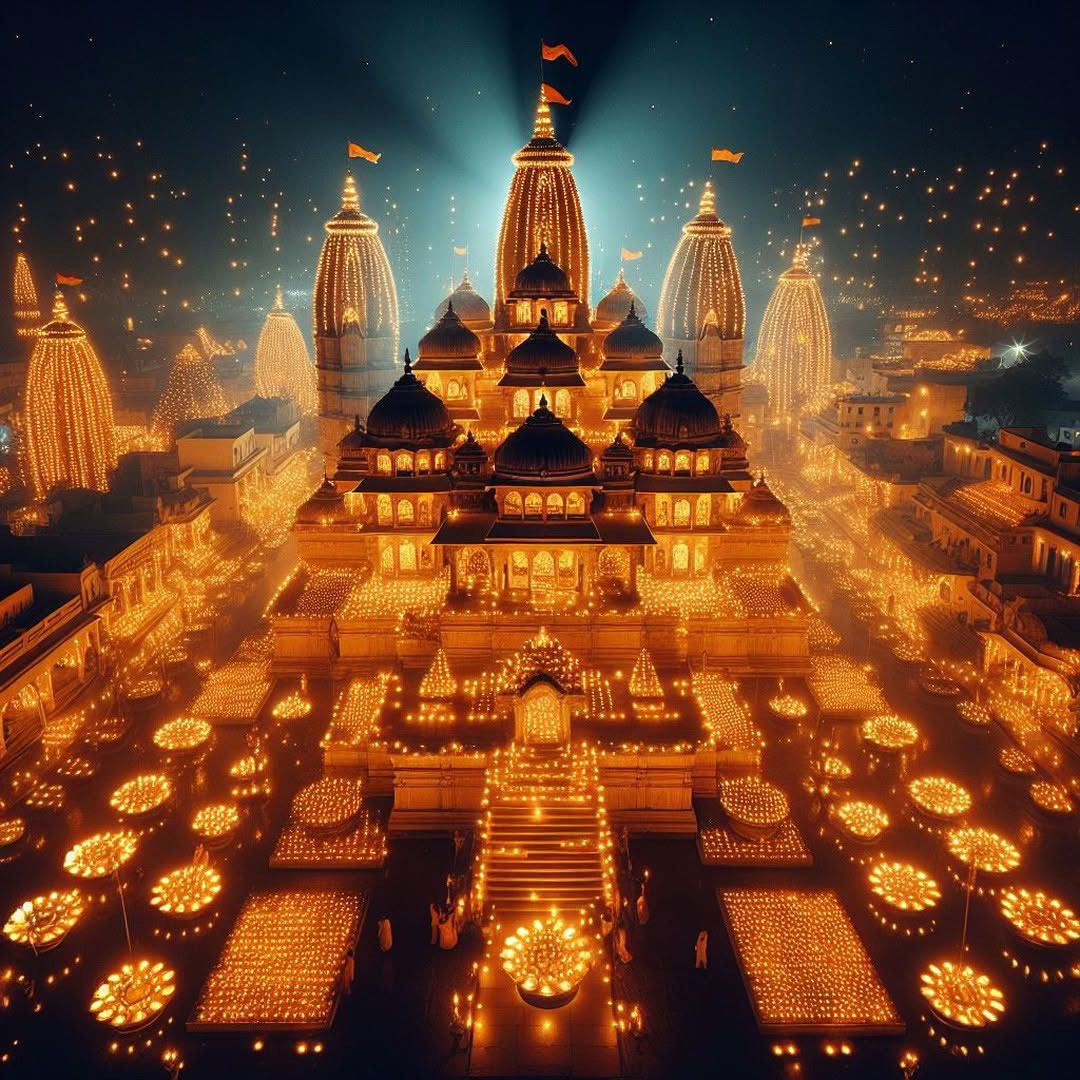
Ayodhya Ram Mandir witnesses grand celebrations during:
⦿ Ram Navami
⦿ Diwali (Deepotsav)
⦿ Vivah Panchami
⦿ Dussehra
These festivals transform Ayodhya into a divine spectacle of lights, chants, and devotion.
The Ram Mandir stands as a reminder that:
⦿ Faith can coexist with constitutional values
⦿ Patience and perseverance lead to justice
⦿ Cultural roots strengthen national identity
It inspires future generations to uphold Dharma while respecting unity and harmony.
Ayodhya Ram Mandir is not just a temple of stone—it is a temple of faith, history, sacrifice, and hope. It bridges ancient wisdom with modern India, reminding the world of timeless values taught by Lord Shri Ram.
As devotees chant “Jai Shri Ram”, the temple echoes a message that transcends religion: live with righteousness, compassion, and truth.
Ayodhya Ram Mandir will forever remain a beacon of India’s spiritual soul and civilizational glory.
Ans. Ayodhya Ram Mandir is located in Ayodhya, Uttar Pradesh, India, on the sacred site known as Ram Janmabhoomi, which is believed to be the birthplace of Lord Shri Ram.
Ans. The temple marks the birthplace of Lord Ram, one of the most revered deities in Hinduism. It represents faith, dharma, and the cultural heritage of India and holds deep spiritual significance for millions of devotees worldwide.
Ans. The Pran Pratishtha ceremony of Ram Lalla was performed in January 2024, officially opening the temple for devotees after centuries of belief and struggle.
Ans. The temple is being constructed by the Shri Ram Janmabhoomi Teerth Kshetra Trust, following traditional Hindu temple architecture and guidelines approved by experts and scholars.
Ans. Ayodhya Ram Mandir is built in the Nagara style of North Indian temple architecture using pink sandstone, without iron, ensuring durability for centuries.