Aerial Darshan
Chartered Flight - 03 Days
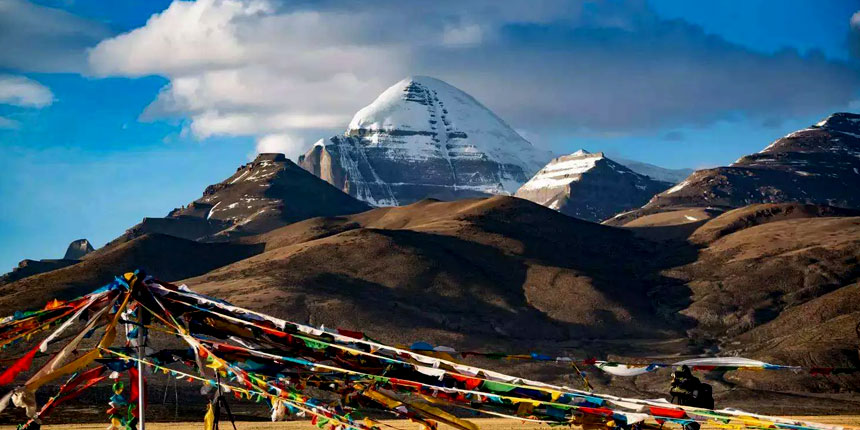
Visiting Mount Kailash and Mansarovar Lake is more than just a getaway; it's an experience full of respect, pure nature, and remarkable appeal that has attracted travelers for thousands of years. No matter your motivation for going, whether spirituality, adventure, or a simple wish to enjoy nearly mythic views, choosing the right time of year is important. The weather, accessibility, altitude, and spiritual significance of the site change significantly with the seasons; understanding these variations can make your pilgrimage easier or more challenging.
To begin, the clearest point is that from May until mid-September is the best time to visit Mount Kailash and Lake Mansarovar. The Tibetan high-altitude plateau is only accessible to tourists during this window. Outside of this period, the area becomes inaccessible due to deep snow, cold temperatures, and closed roads, making travel very challenging or impossible.
The pilgrimage season commences in May. The views surrounding Mount Kailash become more enjoyable, the snowed-in paths begin to open up, and the weather begins to warm. Early-season visitors often love this time of year, as the number of tourists is fewer and the views have the fresh, crisp feel of winter's retreat. Mansarovar Lake is usually partially thawed in May, and you will typically see areas of brilliant blue water between patches of ice still shining in the sun as if they are crystal.
The temperatures are generally warmer in June and July, although the evenings are still cool enough to remind you that you are in one of the highest places on Earth. The days are a little more comfortable for exploring and walking around. Unlike the Indian Himalayas, which receive all the monsoon rains during this time, the Tibetan plateau gets very little rainfall. Hence, June and July are among the most accessible and popular months for a visit to the Kailash–Mansarovar site. The sky is vast, the waters of Mansarovar turn a deep shade of turquoise, and the appearance of Kailash in the lake is particularly pristine.
August is another delightful month, bringing excellent trekking conditions with mild weather. Normally, the trail around Kailash (the Parikrama) is quite stable and dry, the mountain passes remain open, and the air feels a little milder. Pilgrims love August because it offers a balance of spiritual ease, visibility, and warmth. There is also a unique pleasure in observing the spirit of pilgrims from many nationalities, such as Tibetans, Indians, and Nepalese. Travelers from all over Asia and beyond share a truly communal experience on the same pilgrimage.

By early September, the weather begins to shift again. Higher elevations may see a snow flurry, the mornings become brisk, and the winds, while refreshing, also turn a touch colder. However, one of the best-kept secrets of the pilgrimage season is to plan a visit in the first half of September. The scenery is post-monsoon fresh, the crowds thin, and the sky is typically clear. At this time of year, the view of Mount Kailash reflected in Mansarovar is often picture-perfect, almost too clear to be true.
Once mid-September arrives, nature slowly begins to transition to winter. The routes to Mansarovar and Kailash close down, and the weather becomes progressively colder and more prone to storms. The off-season is defined as October–April. During this time, travel becomes nearly impossible and dangerous due to extreme cold, intense winds, and heavy precipitation (snow). Roads, permits, and infrastructure simply do not operate during this period, even if one could theoretically endure the extremely low temperatures.
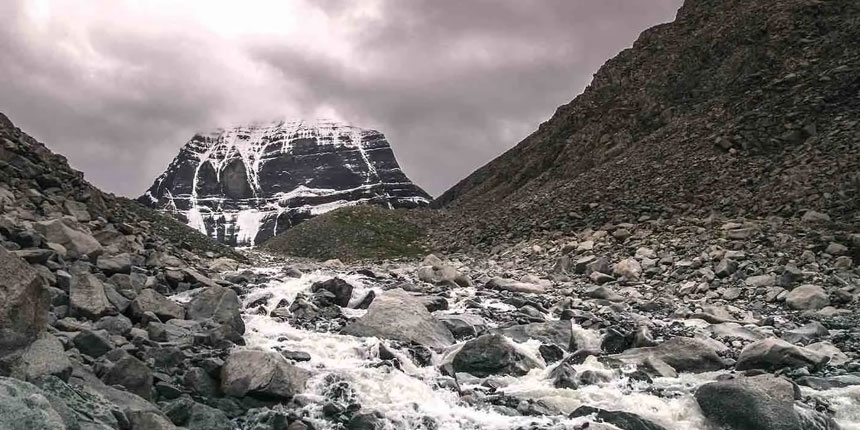
For many pilgrims, spiritual timing can be as significant as the weather in determining the best time to go. Saga Dawa is one of the most sacred periods, marking when Lord Buddha was born, enlightened, and entered parinirvana, usually between May and June. In and around Mount Kailash, tens of thousands of pilgrims are drawn, particularly to Tarboche, the site where the ceremonial flagpole is raised. The emotion, prayer, chanting, and elemental quiet come together to form an unforgettable and powerful energy during Saga Dawa. If connection to spirit is important to you, I highly recommend planning to be present during Saga Dawa.
What makes the pilgrimage season so special is the distinct character of each month. May is raw and awakening. June and July are ideal for comfort and clarity. August feels soft and spiritual. Early September offers quieter paths and gentle beauty. No matter the time of day, the vastness, silence, and timelessness of Mount Kailash and Mansarovar speak to your inner quiet, a meaning that cannot truly be expressed or captured in a photo.
Ans. September is the best time to have a trip to Kailash Mansarovar. With roads clear, passes open, no bone-chilling winds, and a relatively easy trek makes it a preferred time.
Ans. No, at this time, roads are mostly blocked, and the weather is pretty unfavorable, which might make your trip nearly impossible.
Ans. Yes, also, since it's celebrated between May and June, hence is referred to as the perfect time for both exploring and setting out for pilgrimage to Kailash Mansarovar Yatra.
Ans. It's not completely frozen by the time of Saga Dawa; it begins to melt and is partially frozen. Therefore, you can witness the ethereal and divine beauty of Mansarover.
Ans. Not at all. Early September is still a great time, though slightly cooler and less crowded.