Aerial Darshan
Chartered Flight - 03 Days
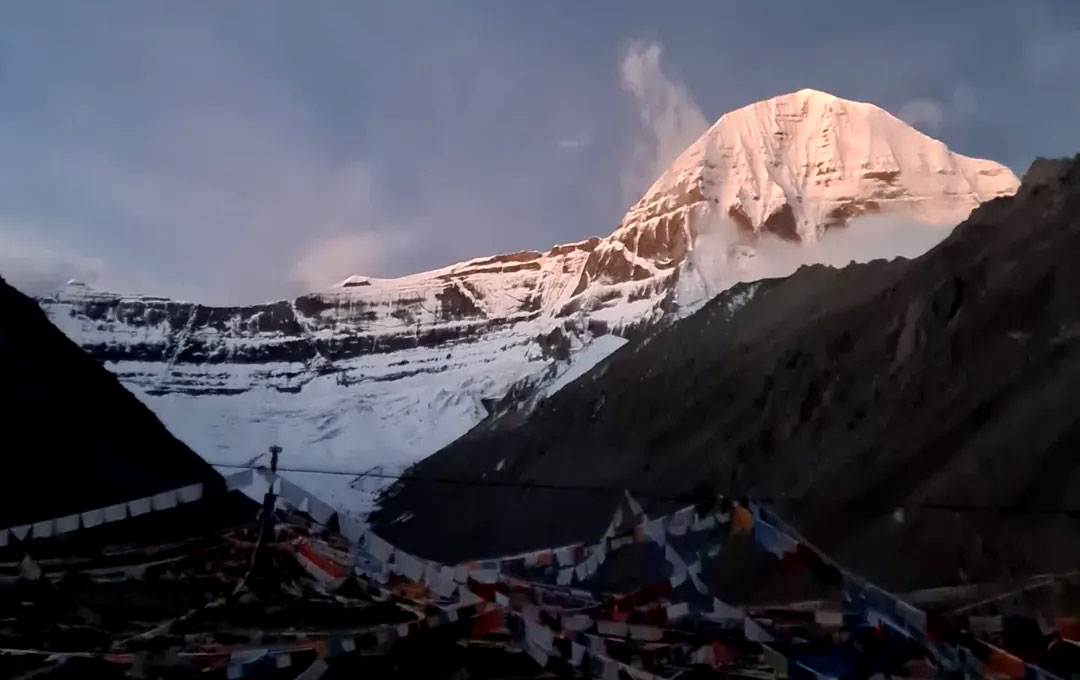
When we talk about the two of the most sacred mountains in Hinduism, they would be none other than the Adi Kailash and Mount Kailash. Both of them are not only revered in India, but globally. Many devotees dream of visiting these holy sites at least once in their lifetime. However, a lot of people still get confused between the Kailash Mansarovar Yatra and the Adi Kailash Yatra. Both of these journeys are associated with Lord Shiva, and are spiritually important. However, they differ in terms of location, duration, cost, travel requirements and difficulty.
Let us learn more about the difference between Kailash Mansarovar Yatra and Adi Kailash Yatra further in this blog.
When you are a part of the Kailash Mansarovar Yatra, you’ll be witnessing Mount Kailash and the nearby Mansarovar Lake. Mount Kailash is known as the heavenly abode of Lord Shiva and it is quite prominent not only in Hinduism, but also in Bon, Jainism and Buddhism. As per the beliefs, visiting Mount Kailash and taking a dip in the holy Mansarovar Lake purifies your soul and washes away your sins. This once-in-a-lifetime experience is quite spiritual and one of the most sacred pilgrimages globally.
On the other hand, Adi Kailash, also called Chhota Kailash, is situated in the Pithoragarh district of Uttarakhand, India. People call it Chhota Kailash since it resembles the shape of Mount Kailash, but is comparatively smaller in height. As per the Hindu beliefs, Lord Shiva paid a visit to this mountain before moving to Mount Kailash in Tibet. Tibet. Adi Kailash Yatra provides devotees with a spiritually fulfilling experience without leaving India.
One of the biggest differences between the two yatras is their location. Mount Kailash and Mansarovar Lake are in Tibet, China. This means that Indian pilgrims need passports, visas, and special permits to undertake the journey. The routes usually involve a combination of road travel and trekking through high-altitude regions, often crossing remote and rugged terrain. Some routes pass through Nepal or the Lipulekh Pass in Uttarakhand, adding to the complexity.
Adi Kailash, on the other hand, is located entirely within India. The yatra is mostly in Uttarakhand, close to the India-Tibet border, and does not require a passport or visa. Pilgrims can travel by road to certain points, followed by a moderate trek to reach the main temple. The shorter distance and easier terrain make this yatra more convenient and safer, especially for people who are not used to high-altitude travel.
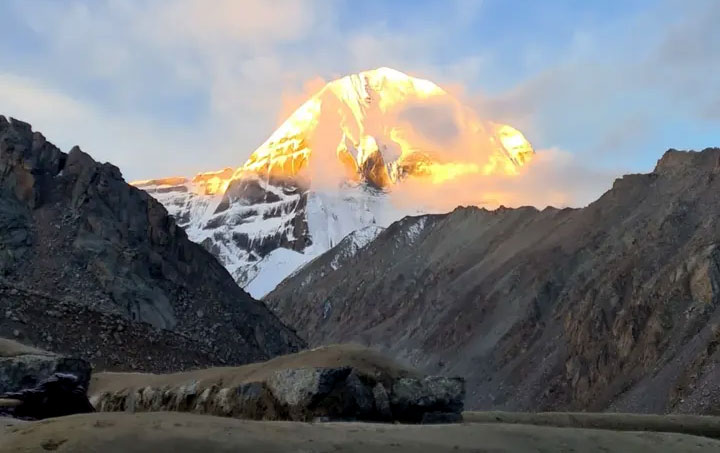
Both Mount Kailash and Adi Kailash are deeply spiritual places, but their importance differs slightly. Mount Kailash is considered the ultimate spiritual destination. Completing the Kailash Parikrama, a 52 km circumambulation around the mountain, is believed to bring immense blessings and spiritual purification. Mansarovar Lake adds another layer of spiritual value, as a holy dip in the lake is thought to wash away sins and bring peace of mind.
Adi Kailash, while smaller in scale, offers similar spiritual energy. Devotees believe that visiting Chhota Kailash brings many of the same blessings as Kailash Mansarovar, especially for those who cannot travel abroad. The mountain’s resemblance to Kailash gives it a unique spiritual charm, making the yatra a deeply satisfying experience.
The difficulty level is another key difference. Kailash Mansarovar Yatra is physically demanding. It involves high altitudes exceeding 15,000 feet, long trekking distances, cold temperatures, and low oxygen levels. Many pilgrims experience fatigue, shortness of breath, or altitude sickness. The parikrama around Mount Kailash is particularly challenging and requires both mental and physical preparation.
In contrast, Adi Kailash Yatra is moderate in difficulty. The trek is shorter and the altitude is lower. Vehicles can take pilgrims close to the main temple, reducing the amount of walking required. This makes it suitable for first-time pilgrims, senior citizens, and families, while still offering a spiritually enriching experience.
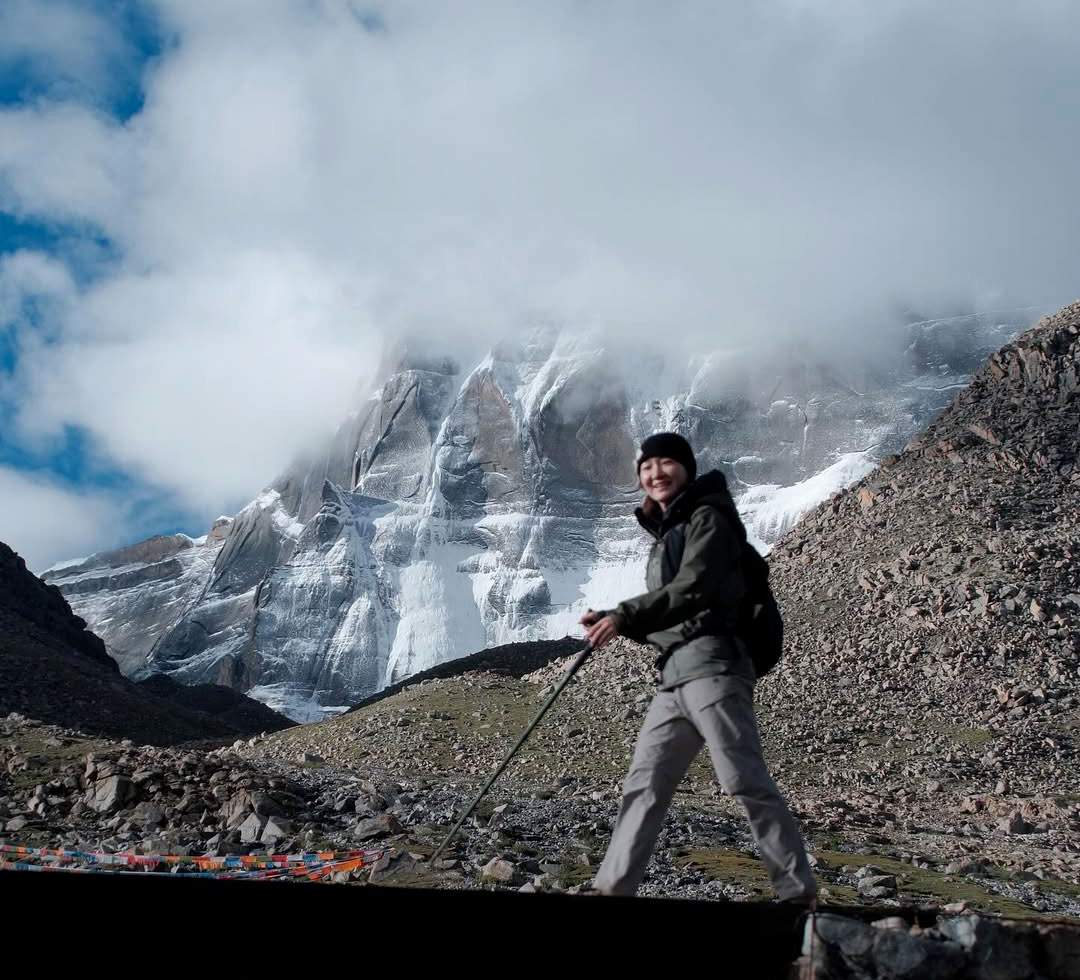
Kailash Mansarovar Yatra usually takes 18 to 25 days, depending on the route and the time spent acclimatizing. The journey includes travel from India to Tibet, time spent at Mansarovar Lake, the parikrama around Mount Kailash, and the return journey. Weather conditions or border regulations can sometimes cause delays, making the trip longer than expected.
Adi Kailash Yatra is much shorter, generally taking 7 to 10 days. Since the entire journey is within India, it is easier to plan and less affected by travel restrictions or weather delays. This shorter duration makes Adi Kailash an attractive option for people who cannot take extended time off work or family commitments.
Cost is another important factor to consider. Kailash Mansarovar Yatra is expensive because it involves international travel, special permits, and guided arrangements. Depending on the route and services chosen, the cost can range from ₹2.5 lakh to ₹5 lakh or even more, per person. Additional expenses may include medical check-ups, travel insurance, and trekking gear.
Adi Kailash Yatra is much more affordable, with costs ranging from ₹40,000 to ₹1.2 lakh per person, depending on accommodation and services. This makes it accessible to middle-class families who want a spiritually fulfilling pilgrimage without a very high budget.
Travel documents required for these yatras also differ significantly. For Kailash Mansarovar, Indian pilgrims need a passport, Chinese visa, and special Tibet entry permits, along with health and fitness certificates. The process requires advance planning and coordination with authorized travel agencies.
For Adi Kailash, Indian citizens only need a government-issued ID such as Aadhaar, voter ID, or passport. Some local trekking permits may also be required, but there is no need for international documentation. This simplicity makes Adi Kailash a stress-free option for domestic pilgrims.
The yatra seasons are determined by weather conditions. Kailash Mansarovar Yatra is generally conducted between May and September, when the snow has melted and the routes are relatively safe. Winter is extremely cold, and monsoon can bring landslides and roadblocks, making travel risky.
Adi Kailash Yatra has a slightly longer season, usually from May to October, thanks to its lower altitude and better road access. The weather is milder, and the chances of disruption due to heavy snow or rain are lower.
Facilities on the two yatras are quite different. Kailash Mansarovar Yatra generally offers basic accommodation, including tents, shared dormitories, or simple guesthouses. Mobile connectivity is rare, and medical facilities are limited. Pilgrims need to carry essential items like warm clothing, medicines, and personal supplies.
Adi Kailash Yatra has improving infrastructure. Guesthouses, small hotels, and homestays are available. Mobile connectivity is better, and medical support is more accessible. This makes the yatra more comfortable, especially for families and elderly travelers.
Safety is another important consideration. Kailash Mansarovar involves travel in remote international regions. Political tensions, weather conditions, or border restrictions can lead to cancellations or delays. Pilgrims need to be well-prepared and travel with authorized guides.
Adi Kailash is fully within Indian territory, making it safer and more reliable. The journey is easier to manage, and local authorities ensure smooth arrangements for pilgrims.
The choice between Kailash Mansarovar and Adi Kailash depends on your physical fitness, budget, and personal preferences.
Choose Kailash Mansarovar if you are physically fit, prepared for a challenging journey, have sufficient time, and want the ultimate spiritual experience.
Choose Adi Kailash if you prefer a shorter, easier, and more affordable yatra within India, especially if you are traveling with family, elders, or first-time pilgrims.
Many devotees begin with Adi Kailash to gain experience and confidence before attempting the more demanding Kailash Mansarovar Yatra. Others are completely satisfied with Adi Kailash, as it provides a spiritually uplifting journey without extreme difficulty or expense.
Both Kailash Mansarovar and Adi Kailash offer life-changing spiritual experiences. While Mount Kailash represents the pinnacle of devotion and challenge, Adi Kailash provides a more accessible path to divine blessings. The journey you choose should align with your faith, physical readiness, and resources. Ultimately, what matters most is the intent and devotion of the pilgrim. Every step taken in reverence brings inner peace, clarity, and a deeper connection with the divine. Whether you choose Kailash Mansarovar or Adi Kailash, the journey is as much about the spiritual transformation as it is about reaching the destination.
Ans. The main difference lies in location and difficulty. Kailash Mansarovar Yatra is located in Tibet, China, requires international travel and is physically demanding. Adi Kailash Yatra is in Uttarakhand, India, easier to access, and suitable for most pilgrims.
Ans. No, Adi Kailash is not the same as Mount Kailash. Adi Kailash is also called Chhota Kailash and resembles Mount Kailash in shape. It is believed that Lord Shiva visited Adi Kailash before residing at Mount Kailash.
Ans. No, Indian citizens do not need a passport or visa for Adi Kailash Yatra. A valid government ID such as Aadhaar or Voter ID is sufficient.
Ans. Yes, a passport, Chinese visa, Tibet permit, and medical fitness certificate are mandatory for Kailash Mansarovar Yatra.
Ans. Kailash Mansarovar Yatra is much more difficult due to high altitude, long trekking distances, and low oxygen levels. Adi Kailash Yatra is moderate and manageable, even for senior citizens with basic fitness.