Aerial Darshan
Chartered Flight - 03 Days
Every few steps, the air thins. Every dawn brings sharper mountain shadows, every prayer flag flutters louder against the sky. For many travellers globally, few journeys rival the Kailash Mansarovar Yatra—a pilgrimage not just of distance, but of the heart.
If you are considering the Yatra in 2026, here’s your essential guide: what it is, why it matters, how to plan, and how to prepare—especially from an international traveller’s perspective.
Mount Kailash (Tibet) is sacred to Hindus, Buddhists, Jains, and followers of the Bon tradition. It is believed to be the abode of Lord Shiva in Hinduism, while in Buddhism and Bon it has its own sacred associations. Lake Manasarovar, nearby, is similarly considered pure and life-renewing.
In Chinese zodiac, 2026 is the Year of the Horse. Some traditions consider pilgrimages undertaken in horse years especially powerful. For many yatris this adds extra spiritual weight.
The route takes you through high altitudes, remote Tibetan plateau terrain, lakes, passes, and ancient monasteries. Beyond the spiritual, it is a journey into some of Earth’s most striking geography.
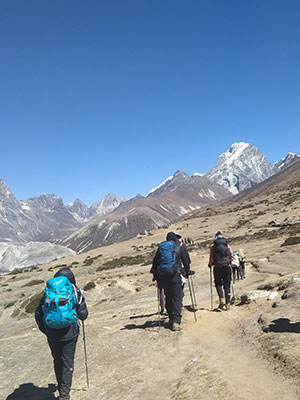
Ideal Timing: May-June and September-October are considered the best windows. In these months, roads are more likely to be clear of snow, weather is relatively stable, skies clearer for views, and altitude acclimatisation more manageable.
Routes: May-June and September-October are considered the best windows. In these months, roads are more likely to be clear of snow, weather is relatively stable, skies clearer for views, and altitude acclimatisation more manageable.
1. Tibet Route (via Lhasa, Ngari, etc.) – fly or land into Lhasa, spend time there for acclimatisation, then travel west toward Ngari, Lake Manasarovar, and Kailash. Classic itineraries (10- to 15-day) use this.
2. Nepal-Tibet border via Kathmandu – fly/drive to Kathmandu, then to Nepalgunj/Simikot, cross border into Tibet via Hilsa/Purang etc. This has logistical benefits and offers more varied scenery.
3. Helicopter options – For those short on time or preferring less road travel, helicopter-assisted itineraries are available (e.g. shorter durations, aerial views). These tend to cost more but are less physically taxing.
For non-Indian passport holders, the process involves several steps and official documents:
China Visa: Valid Chinese visa is essential if entering Tibet from China mainland or from Nepal.
Tibet Travel Permit (TTP): Issued by Tibet Tourism Bureau. Without this, you cannot enter Tibet’s restricted areas including Kailash/Manasarovar.
Additional Permits:
a. Alien’s Travel Permit (for travel outside of standard tourist zones)
b. Foreign Affairs Permit (for certain sensitive border or military zones)
c. Military Permit (some regions are under military jurisdiction; permit needed)
Group Tour Requirement: Foreign travellers are generally not allowed to travel independently in Tibet. They must join an authorised tour operator who handles permits, logistics etc.
Passport Validity: Usually your passport must have at least 6 months validity beyond date of departure. Document copies, photos etc. are required.
The journey is demanding. Altitude, remoteness, and weather can stress even experienced travellers. Here’s how to prepare:
Acclimatisation: Build time into your itinerary (e.g. staying in Lhasa or intermediate altitude points) to let your body adjust to thinner air.
Medical Checks: Get a full check-up; ensure heart and lung health are good. Bring altitude sickness medicines (e.g. Diamox), basic first-aid supplies. Monitor oxygen saturation if possible.
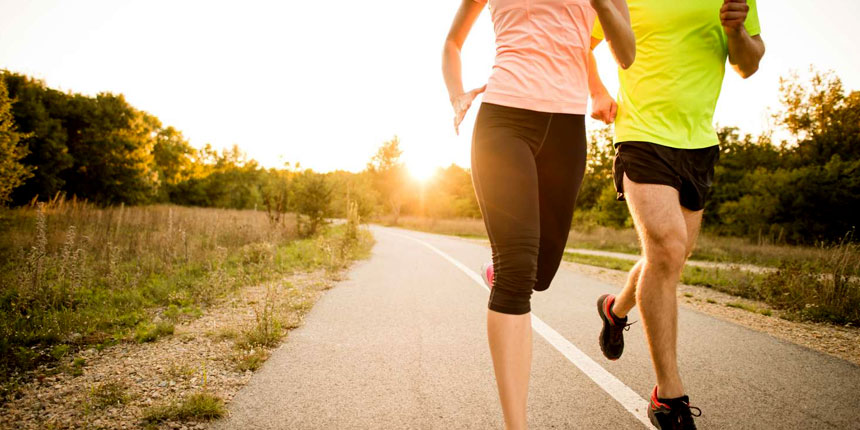
Fitness & Endurance: Even if not trekking hard, walking, uneven terrain, cold nights, sometimes long drives. Some days will be physically taxing. Better to train a little beforehand: hikes, cardio, carrying a daypack etc.
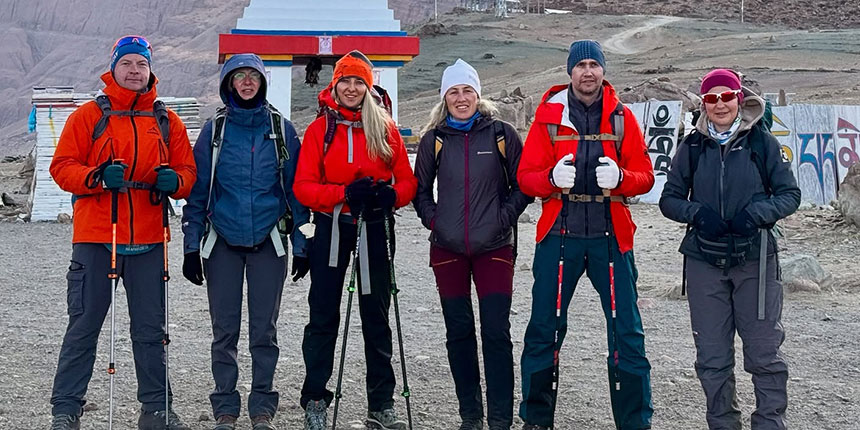
Clothing: Layered clothing. Warm inner wear, down jacket or insulated outer shell. Waterproof gear. Wool socks, gloves, cap/hat. Sunglasses & sunscreen. Nights may get below freezing
Footwear: Comfortable but sturdy trekking or walking shoes/boots. Good traction needed. Break them in before the Yatra.
Essentials: Passport + visa + permits. Travel insurance (with emergency evacuation). Flashlight/headlamp, extra batteries. Reusable water bottle. Toiletries. Basic medicines. Snacks.
Money & Currency: Chinese Yuan is used in Tibet; exchange it in Kathmandu, Nepal or at border. Also carry local cash of your starting country. Credit/debit cards may have limited utility in remote areas.
Equipment: Walking stick, basic trekking poles, daypack. Perhaps portable oxygen (if you have concerns). Small binoculars for views. Camera.
Duration: It depends on the route and mode (road, helicopter, overland, etc.). Typical packages range from about 10-15 days for standard overland itineraries; shorter durations if using helicopter rou
Cost: Varies a lot depending on comfort, mode of transport, length, whether helicopter is involved. For international travellers (or NRIs) packages can range significantly (several thousand USD or equivalent) depending on extras.
Accommodation: Basic lodges or tents in remote areas; better hotels in larger towns. Be prepared for simpler amenities (no luxury) in high-altitude/remote sites.
Respect Sacredness: Kailash and Manasarovar are deeply sacred. Behaviours such as loud talking, waste-making, disrespecting prayer flags, touching monks’ robes etc. should be avoided.
Local traditions: Learning a few phrases, respecting local food habits, being mindful of dress codes (especially near monasteries) helps.
Leave No Trace: In remote ecological zones, waste disposal is difficult. Carry reusable items, don’t litter, avoid plastic bags, follow instructions of local guides.
Altitude sickness: Pulmonary or cerebral. Be alert to symptoms (headache, nausea, dizziness, shortness of breath). Descend if needed.
Weather surprises: Sudden snow or storms, especially at higher passes. Delays likely.
Logistical challenges: Road conditions, border crossings, permits might get delayed. Political or administrative issues can affect crossings.
Health emergencies: Remote areas mean limited medical help. Insurance & guide arrangements are essential.
Here’s a sample of what many international travellers might expect:
| Day | Approx. Route / Activity |
|---|---|
| 1-2 | Arrive Lhasa → acclimatisation (visit major monasteries, slow pace) |
| 3-5 | Travel through Gyantse, Shigatse; enjoy Tibetan plateau scenery |
| 6-8 | Head west toward Saga → Manasarovar Lake; rest days to adjust |
| 9 | Reach Darchen, base for Kailash Kora (circumambulation) |
| 10-11 | Perform Kora around Mount Kailash (inner loop perhaps) |
| 12-13 | Return via Taklakot / Purang or reverse route back to Lhasa/Kathmandu |
| 14-15 | Buffer days in case of delays; departure preparations |
As mentioned, Year of the Horse brings auspiciousness for many using Vedic/Tibetan calendars. This may increase the number of pilgrims, making group experiences richer.
Increased awareness and improved logistics: Tour operators have refined offerings (helicopters, overland options, better guides) in recent years.
Post-pandemic resurgence: Travel restrictions easing, more open access, but still relatively less crowded than some overdone pilgrim routes—if you plan well, you can experience a more “quiet” pilgrimage.