Aerial Darshan
Chartered Flight - 03 Days

If you are looking forward to the Kailash Mansarovar Yatra, remember that accessing one of the holiest places on earth is a journey that requires more than just tenacity and devotion; it also requires documentation. The journey begins long before your boots hit the ground on the Tibetan plateau with visas, permits, and bureaucratic clearance. Think of the experience as the pre-pilgrimage administrative pilgrimage.
Less anxiety about exact requirements makes it a straighter path, but I will lay out everything you need step by step, without ambiguity. Starting off with the most important: a valid passport. Your passport must be valid for a minimum of six months from the time you travel and must be clean and undamaged, and ideally have a few blank pages. If you’re renewing your passport or applying for the first time, start early, since having such an important document in place is critical to moving forward with the next steps.
Next is the Chinese visa; you must have an official China visa in order to enter Tibet, where Mount Kailash and Mansarovar Lake are located. The caveat is that if you are travelling for the Kailash Yatra, you cannot apply for this visa on your own. Travel in Tibet outside of a group is prohibited. The only way is via an accredited travel agency that manages the entire visa application process for you.
Once you send your passport, passport photos, and other forms to the travel agency, they will liaise with the Chinese Embassy or consulate to complete the visa application. Sometimes this is done in groups due to the prevalence of group visas for pilgrims travelling to Tibet. It is also customary for the visa to be approved close to the date of departure, so if it gets close, don't panic.
The Tibet permits are the one area that shatters it for the vast majority of first-time travellers. The permits are different from the Chinese visa, and they also can't be bargained. In reality, the permits really come into play once you are actually in Tibet. Specifically, the primary permit to enter the Tibet Autonomous Region is the Tibet Travel Permit (TTP).
Without the Tibet Travel Permit, you cannot board a flight to Tibet, nor can you enter Tibet by land. Authorised Tibetan tour operators are the only parties that can obtain the Tibetan permits, and they obtain the Tibet Travel Permit based on your passport and visa info.
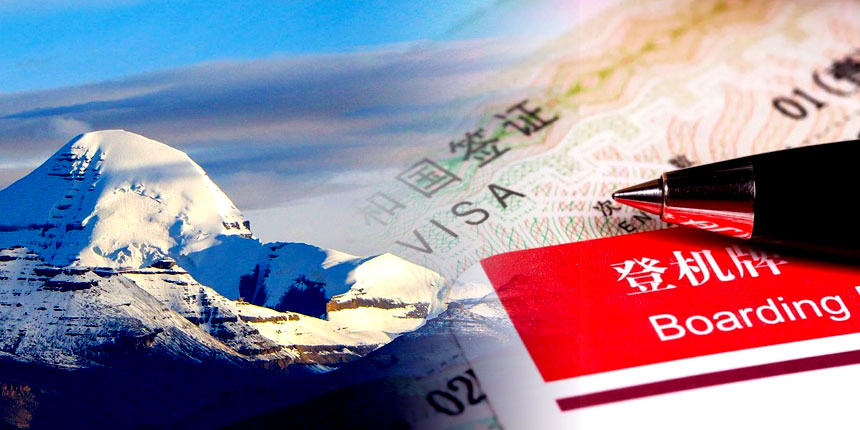
Kailash is in a restricted border zone in the extreme western Ngari area of Tibet. Thus, the Restricted Area Permit (RAP) and Aliens’ Travel Permit (ATP) are vital documents. With these permits, foreign nationals can travel to places like Mount Kailash, Mansarovar Lake, Darchen, Saga, and the complete Parikrama route.
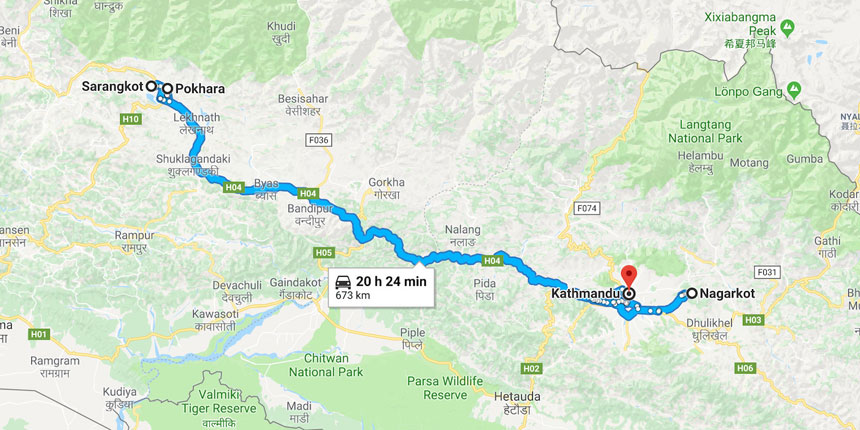
These permits will be arranged by your operator only, and are confirmed at different checkpoints along your journey; they are not issued directly to individuals. You could be turned away in the middle of your trip without these permits. Another option is the Nepal visa if you are transiting through Nepal, as most pilgrims do. It is simple to get and is usually granted upon arrival, even for most nationalities.
If you are travelling to Tibet by plane from Lhasa or Kathmandu, the operator will arrange all the group travel permits and then arrange the times so that you have everything in place. Immigration is extremely thorough with checking group permits, so expect extra cooperation with the overland routes, especially the Kathmandu-Tibet route.
The process is somewhat different for Indian pilgrims using the official MEA-led Kailash Mansarovar Yatra (through either Lipulekh or Nathu La). You are subjected to a selection process by India's Ministry of External Affairs rather than applying for a Chinese visa directly. After that, there are medical check-ups, briefings, and arrangements for group permission that take place between Chinese and Indian authorities.
In relation to travelling along the private travel operator route through Nepal, this route is structured and controlled and is very different. No one avoids the paperwork; it just takes a different shape.
The final component of the jigsaw is travel insurance, which is required by nearly all tour operators, even though it is not strictly a part of the visa or permit process. It is important because of the high altitude, remote location, and unpredictable weather. Many operators require that you have insurance that includes coverage for medical emergencies and evacuation, as well as high-altitude trekking.
When you have completed the paperwork process, you will arrive at the crucial understanding that each piece of paper is not a hindrance, but a part of the process to put together, a method of ensuring that only those who truly prepare show up to the holy land. When you stand in front of the towering Mount Kailash or the incredible blue waters of Mansarovar, every document, every stamp, every day of waiting will feel more than worth it.
Ans. No, you can only apply for the permit via a registered agent and travel operators; individuals aren't allowed to drop the application all by themselves.
Ans. You are suggested to apply for the permit before 2-4 months of the planned trip date, as the process is a little slow and takes time because you are not the only one applying for this trip.
Ans. No, for entering and exploring the area of Kailash, and every place near it, you need to have a Restricted Area and Aliens permit alongside the Tibet Permit.
Ans. Yes, those using the MEA-organised route follow a different system, but private Nepal routes require the same Tibet permits as international travellers.
Ans. Not possible. Independent travel in Tibet, especially to Kailash, is strictly prohibited. So, you need to book a trip with a travel guide only