Aerial Darshan
Chartered Flight - 03 Days
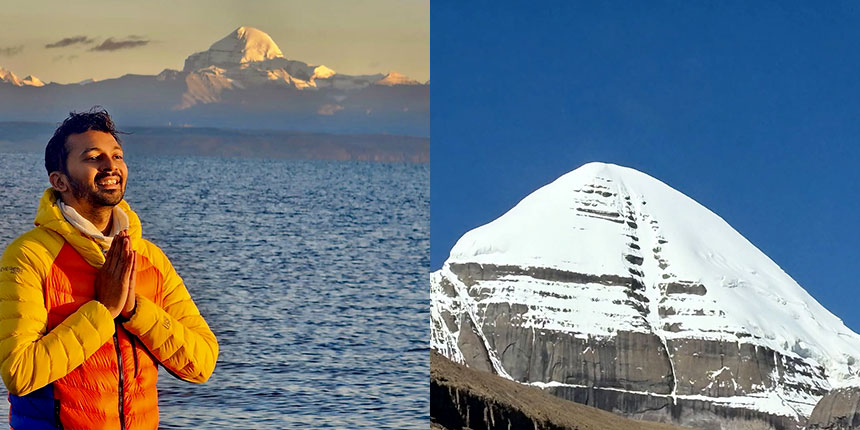
Mount Kailash, an awe-inspiring peak in the remote western Himalayas of Tibet, is considered the most sacred mountain in Hinduism, as well as in several other religions including Buddhism, Jainism, and Bon. Rising majestically to 6,638 meters (21,778 feet), it stands apart from the surrounding ranges with its symmetrical, pyramid-like shape, crowned with snow year-round. For Hindus, Kailash is not merely a geographical landmark—it is the mythical abode of Lord Shiva, one of the principal deities of the Hindu pantheon, and his consort, Goddess Parvati. But why is Kailash so intrinsically linked with Shiva, earning the epithet “Shiva’s mountain”? The answer lies in mythology, spirituality, and cultural tradition.

The association of Mount Kailash with Lord Shiva is rooted deeply in Hindu mythology. According to the Puranas and various sacred texts, Lord Shiva, the “destroyer” and transformer in the Hindu trinity (Trimurti), resides in Kailash in eternal meditation. The mountain is depicted as a divine, serene sanctuary where Shiva remains detached from worldly affairs, symbolizing asceticism, meditation, and spiritual liberation.
Hindu texts describe Kailash as the home where Shiva dwells with Goddess Parvati. The mountain is portrayed as a celestial palace surrounded by snow, crystal-clear rivers, and divine beings. Here, Shiva performs his cosmic dance, the Tandava, which represents the cycle of creation, preservation, and destruction. Pilgrims believe that meditating on Kailash or visualizing it can help emulate Shiva’s supreme detachment and devotion.
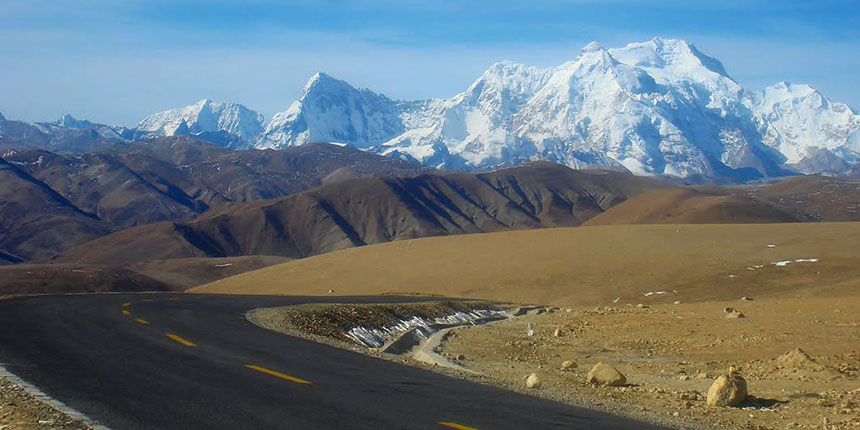
In Hindu cosmology, Mount Kailash is considered the “Meru Parvat” or the axis of the universe—Mount Meru being the cosmic mountain that connects heaven and earth. Kailash’s central position in the universe symbolizes the spiritual center of the world. This belief emphasizes that Shiva, residing at this axis, oversees the balance of cosmic order. For devotees, this reinforces the mountain’s status as not just a physical landmark but a metaphysical anchor of spiritual energy.
Mount Kailash is considered the ultimate spiritual destination, promising liberation (moksha) to those who undertake the journey or perform the sacred circumambulation known as Kailash Parikrama or Kora. This trek is not merely a physical challenge but a spiritual pilgrimage, believed to cleanse sins, purify the soul, and elevate consciousness.
The circumambulation of Kailash, usually spanning 52 kilometers, is traditionally performed clockwise by Hindus. Each step around the mountain is considered an act of devotion to Shiva. Legends say that even a single complete Parikrama can erase a lifetime of sins, and performing it multiple times magnifies spiritual merit. Along the path, pilgrims encounter sacred rivers, lakes, and shrines, all tied to tales of Shiva’s presence, further deepening the sense of spiritual connection.
The presence of Shiva at Kailash symbolizes ultimate meditation and renunciation. Ascetics and sages have revered the mountain for centuries, establishing hermitages and retreat centers to pursue spiritual practices. For them, Kailash is the ideal backdrop for meditation, where the natural isolation, purity of environment, and majesty of the peak facilitate mental stillness, a reflection of Shiva’s own meditative state.
The mountain itself is rich in symbolism. Its distinctive shape—with four sheer faces and a peak rising like a crown—is often interpreted as the embodiment of Shiva’s energy and spiritual authority. Each face corresponds to one of the four cardinal directions, symbolizing Shiva’s omnipresence. The peak, often capped in pristine snow, represents purity, detachment, and the transcendence of worldly desires, qualities intrinsic to Shiva.
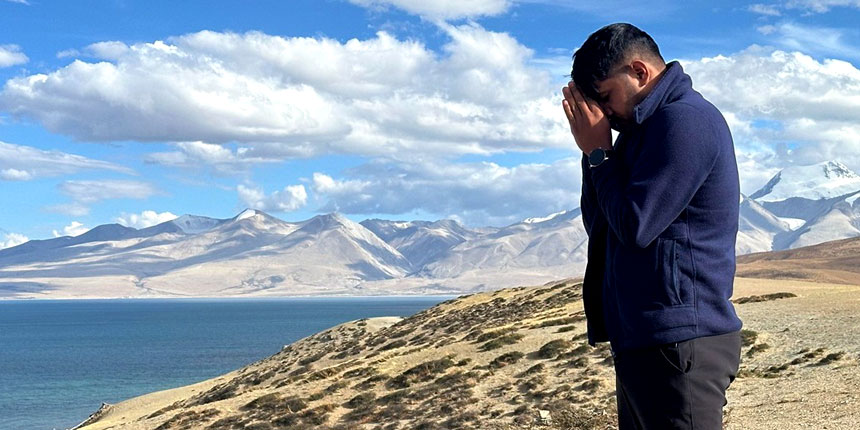
Mount Kailash is the source of four major rivers: the Indus, the Sutlej, the Brahmaputra, and the Karnali. These rivers, which nourish millions across South Asia, signify Shiva’s role as a life-giver despite his destructive cosmic aspect. Pilgrims view these rivers as sacred, believing that bathing in them purifies the body and spirit, aligning with Shiva’s benevolent aspect as the protector of humanity.
Kailash is often described as the ultimate yogic center, where physical and spiritual geography converge. Its remote location discourages material distractions, compelling pilgrims to focus entirely on devotion and self-reflection. The harsh environment, combined with spiritual lore, creates a metaphorical and literal ascent toward enlightenment, mirroring Shiva’s mastery over worldly suffering and attachment.
The veneration of Kailash extends beyond Hinduism. Buddhists, particularly Tibetan Buddhists, consider it the home of Demchok, a tantric deity representing supreme bliss. Jains regard it as the site where their first Tirthankara, Rishabhadeva, attained liberation. The Bon, Tibet’s indigenous religion, views Kailash as a sacred mountain around which their rituals revolve. Despite religious differences, a unifying theme emerges: Kailash is the seat of the divine, a symbol of spiritual transcendence, and a magnet for devotion.
Over centuries, Mount Kailash has inspired countless hymns, poems, and artworks dedicated to Shiva. Classical texts describe the mountain’s ethereal beauty and mystical aura, while folk songs and paintings continue to celebrate its sacredness. Through these cultural expressions, Kailash’s identity as Shiva’s abode has been reinforced across generations, spreading its spiritual significance far beyond its remote geographical location.
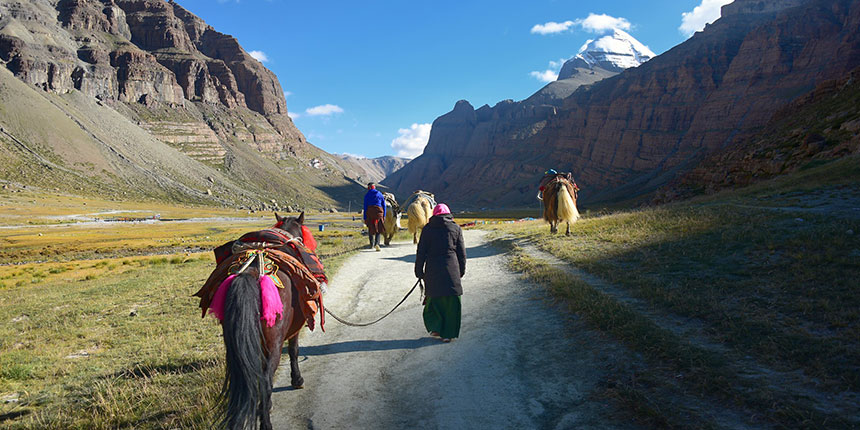
Today, Mount Kailash continues to draw pilgrims from India, Nepal, Tibet, and other countries. The pilgrimage, while physically demanding due to high altitude and harsh weather, remains a transformative experience for many. Modern infrastructure has improved access to some degree, but the mountain retains its untamed, mystical character. The journey is seen not as a tourist venture but as a sacred obligation and an opportunity to commune with Shiva’s energy.
In recent decades, concerns about environmental preservation have grown, given the increasing number of pilgrims and trekkers. Devotees often stress that respecting the sanctity of the mountain—including minimizing waste and avoiding damage to natural resources—is a spiritual duty in itself. Caring for the environment is seen as honoring Shiva, who embodies both destructive and regenerative forces.
Mount Kailash teaches profound spiritual lessons. Shiva’s abode embodies the balance between activity and stillness, creation and destruction, and worldly involvement and detachment. By venerating Kailash, devotees are reminded that life is transient, that spiritual practice demands discipline, and that ultimate liberation is attained through self-awareness, meditation, and devotion. Pilgrimage to Kailash is therefore not just about reaching a physical summit but about ascending the inner peaks of consciousness.
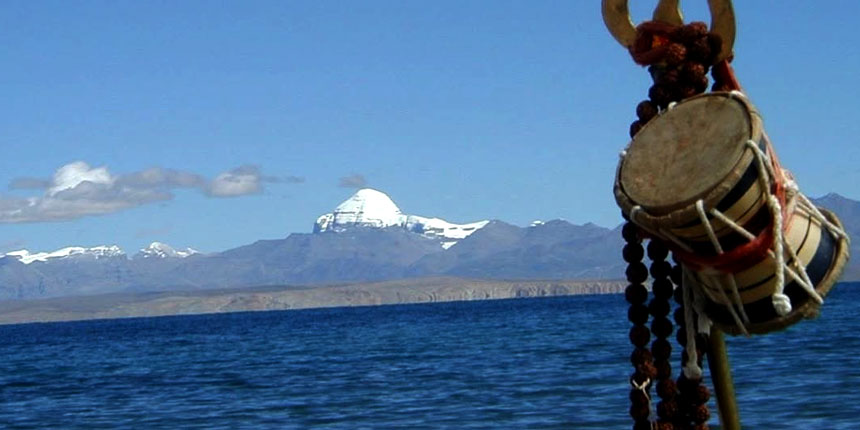
Despite centuries of devotion, Mount Kailash remains largely unclimbed, reinforcing its mystical aura. Unlike other Himalayan peaks, it is forbidden to climb the mountain out of reverence for Shiva. This prohibition underscores the principle that some sacred experiences are meant to be revered rather than conquered—teaching humility, respect, and devotion, essential qualities for spiritual seekers.