Aerial Darshan
Chartered Flight - 03 Days
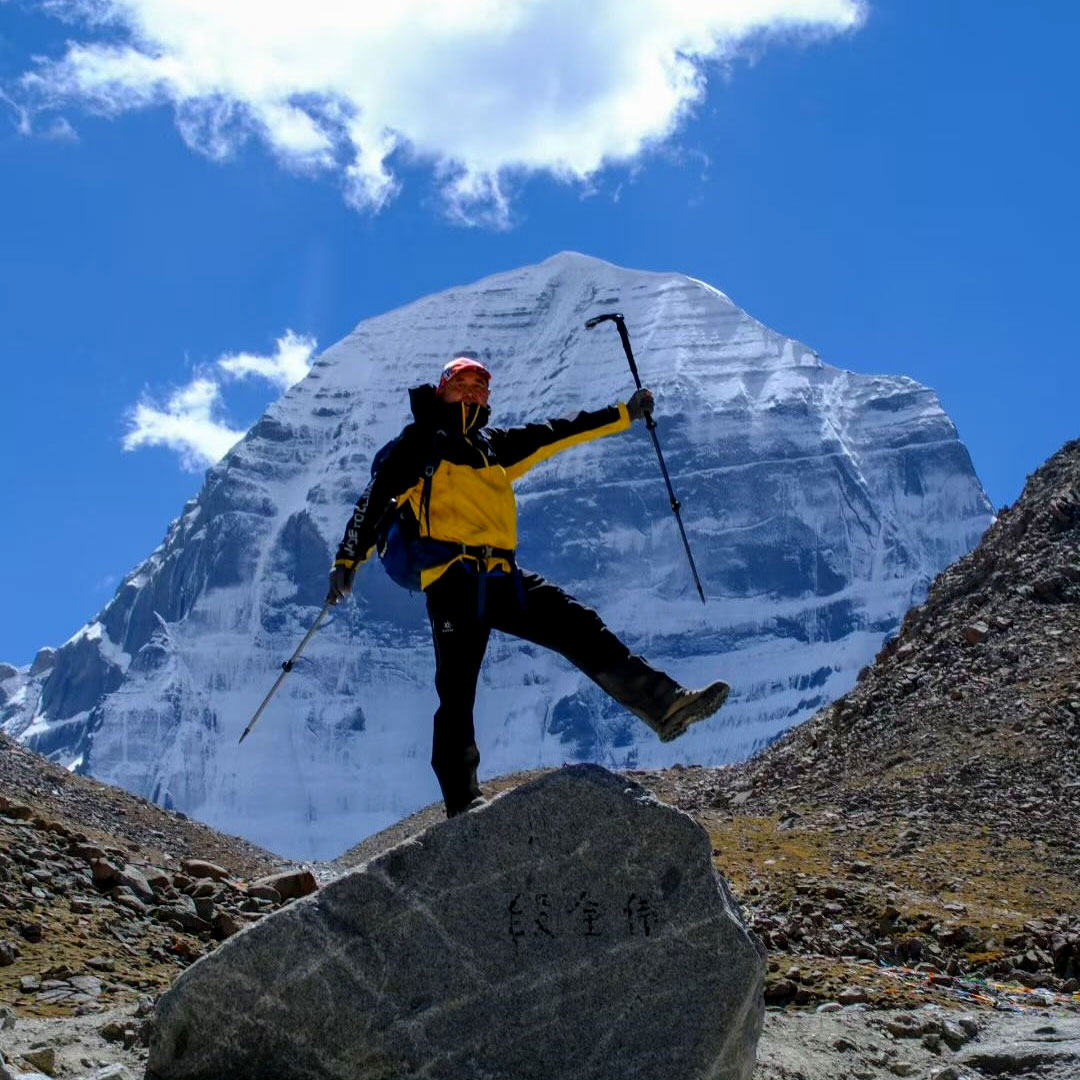
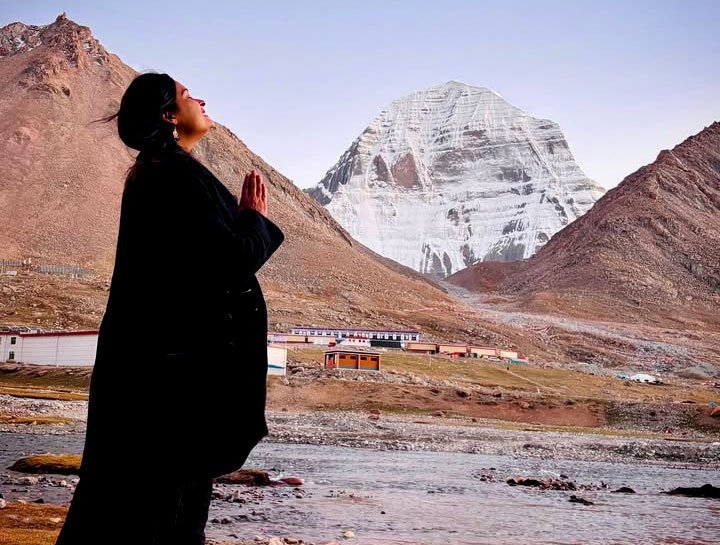
Mount Kailash and Lake Mansarovar are among the most sacred pilgrimage destinations in the world, revered by Hindus, Buddhists, Jains, and followers of Bon faith. Every year, spiritual seekers from across the globe, including Australia, undertake the transformative Kailash Mansarovar Yatra to experience divine energy, inner peace, and spiritual awakening.
If you are planning the Kailash Mansarovar Yatra from Australia, this comprehensive guide explains every step of the journey — from international flights and route options to visa requirements, permits, travel seasons, fitness preparation, and practical tips. This article is written especially for Australian travelers and offers fresh, easy-to-understand, and up-to-date guidance.
Mount Kailash is located in the remote Ngari region of western Tibet Autonomous Region, China. At an elevation of approximately 6,638 meters, the mountain is not climbed; instead, pilgrims perform a sacred circumambulation known as the Kailash Parikrama (Kora), a 52-kilometer trek around the mountain.
Lake Mansarovar, one of the highest freshwater lakes in the world, lies close to Mount Kailash and is an essential part of the yatra.
Since Tibet is a restricted region, all foreign travelers, including Australians, must enter Mount Kailash as part of an organized tour with pre-approved permits.
Yes, Australian passport holders can travel to Kailash Mansarovar, provided they obtain:
⦿ Valid Chinese Visa
⦿ Tibet Travel Permit
⦿ Alien Travel Permit
⦿ Military Permit (for restricted areas)
These permits are arranged only through authorized tour operators. Independent travel is not permitted in Tibet.
There are two primary routes for Australians to reach Kailash Mansarovar:
1. Via Nepal (Kathmandu Route) – Most popular and convenient
2. Via China Mainland (Lhasa Route) – Longer but culturally immersive
Let’s explore each route in detail.
This is the most preferred route for Australian travelers due to easier logistics, shorter duration, and better altitude acclimatization options.
Australian travelers can fly from major cities such as:
⦿ Sydney
⦿ Melbourne
⦿ Brisbane
⦿ Perth
Flights usually connect via hubs like Singapore, Kuala Lumpur, Bangkok, or Hong Kong before reaching Kathmandu.
Average travel time: 14–20 hours (depending on layovers)
Upon arrival in Kathmandu:
⦿ Original passports are collected for China Group Visa processing
⦿ Medical check-ups and trip briefings are conducted
⦿ Necessary yatra gear and last-minute purchases can be arranged
The China Group Visa is mandatory for travelers entering Tibet via Nepal and is different from a standard Chinese visa.
There are two options:
Option A: Overland Drive
⦿ Kathmandu to Gyirong border by road (approx. 7–9 hours)
⦿ Border formalities at Rasuwagadhi
⦿ Enter Tibet and drive to Gyirong town
Option B: Helicopter Route (Seasonal)
⦿ Helicopter from Kathmandu to Nepal–Tibet border
⦿ Shorter travel time and reduced road fatigue
There are two options:
After entering Tibet, pilgrims stay in:
⦿ Gyirong
⦿ Saga
These acclimatization stops are essential to prevent altitude sickness and prepare the body for higher elevations.
From Saga, travelers drive to Lake Mansarovar. Pilgrims perform:
⦿ Holy bath (weather permitting)
⦿ Spiritual rituals and meditation
⦿ Circumambulation of the lake
The parikrama is completed over 3 days:
⦿ Day 1: Darchen to Dirapuk (approx. 12 km)
⦿ Day 2: Dirapuk to Zutulpuk via Dolma La Pass (5,645 m)
⦿ Day 3: Zutulpuk to Darchen
Yaks and porters are available for assistance.
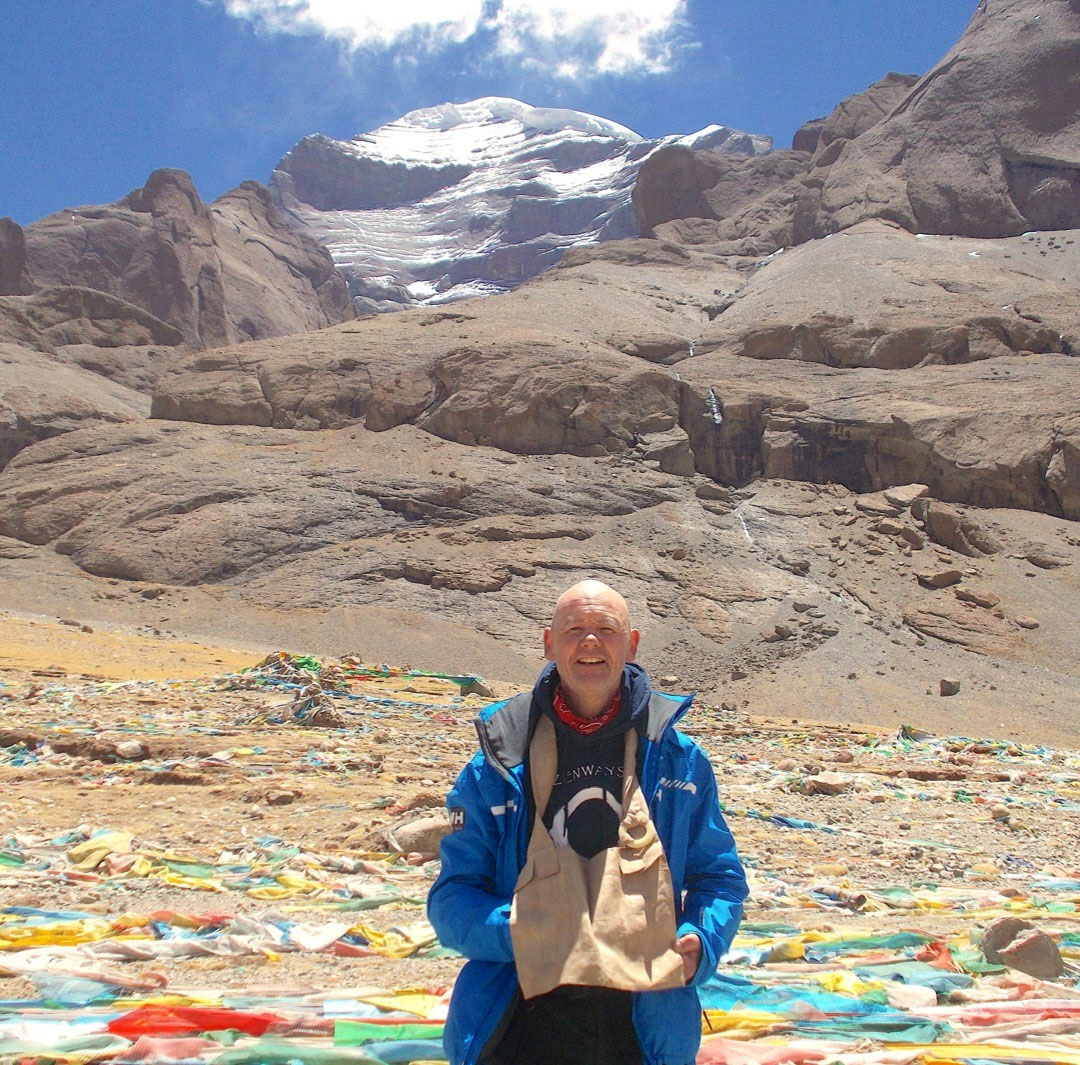
This route is ideal for travelers interested in Tibetan culture, monasteries, and gradual altitude acclimatization.
Common entry cities:
⦿ Beijing
⦿ Shanghai
⦿ Chengdu
⦿ Guangzhou
Australian travelers must obtain a Chinese Tourist Visa before departure.
From mainland China, pilgrims travel to Lhasa by:
⦿ Domestic flight
⦿ Qinghai–Tibet Railway (high-altitude train journey)
In Lhasa, travelers spend several days visiting:
⦿ Potala Palace
⦿ Jokhang Temple
⦿ Sera and Drepung Monasteries
This phase allows excellent altitude acclimatization.
Lhasa → Shigatse → Saga → Mansarovar → Darchen → Kailash Parikrama
This route is longer but extremely scenic and culturally enriching.
The yatra is open only for a limited period due to weather conditions:
⦿ Best months: May to September
⦿ Ideal months: June and August
Avoid winter months due to extreme cold and road closures.
Kailash Mansarovar Yatra is physically demanding. Australians should:
⦿ Begin cardio training at least 2–3 months in advance
⦿ Practice walking and stair climbing
⦿ Consult a doctor for high-altitude fitness clearance
Travelers with severe heart, lung, or blood pressure issues should avoid the yatra.
Essential items include:
⦿ Thermal clothing and windproof jackets
⦿ Trekking shoes
⦿ Sunglasses and sunscreen
⦿ Personal medicines
⦿ Reusable water bottles
⦿ Power banks

Approximate cost range:
⦿ Via Nepal Route: AUD 6,500 – AUD 9,000
⦿ Via Lhasa Route: AUD 7,500 – AUD 10,500
Costs depend on group size, services, and travel mode.
For Hindus, Mount Kailash is the abode of Lord Shiva. Buddhists believe it to be the home of Demchok. Jains revere it as the place where their first Tirthankara attained liberation. Completing the parikrama is believed to cleanse sins and bring spiritual liberation.
The total cost varies based on route, comfort level, and group size.
Authorized operators ensure:
⦿ Permit approvals
⦿ Medical safety
⦿ Local Tibetan guides
⦿ Emergency support
⦿ Ethical and responsible travel
Independent travel is not allowed in Tibet.

Reaching Kailash Mansarovar from Australia may seem complex, but with proper planning and a reliable tour operator, the journey becomes smooth and spiritually fulfilling. Whether you choose the Nepal route for convenience or the Lhasa route for cultural immersion, the Kailash Mansarovar Yatra promises a once-in-a-lifetime experience that transcends physical travel and touches the soul
If you are ready for a sacred journey that blends devotion, adventure, and inner transformation, Kailash Mansarovar awaits you.
Ans. Yes, Australian passport holders can travel to Kailash Mansarovar by obtaining a valid Chinese Visa, Tibet Travel Permit, Alien Travel Permit, and sometimes a Military Permit. Travel must be arranged via an authorized tour operator.
Ans. There are two main routes: via Nepal (Kathmandu route) which is shorter and easier, and via China mainland (Lhasa route) which is longer but offers a cultural experience and better acclimatization.
Ans. The pilgrimage is open from May to September, with June and August being ideal due to moderate weather. Winter months are not recommended because of extreme cold and road closures.
Ans. Approximate cost ranges from AUD 6,500 to AUD 9,000 via Nepal route, and AUD 7,500 to AUD 10,500 via Lhasa route, depending on services, group size, and travel mode.
Ans. Yes, the journey involves high-altitude trekking and long drives. Travelers should engage in cardio training, walking, and stair climbing 2–3 months prior to the trip, and consult a doctor if they have heart or lung issues.