Aerial Darshan
Chartered Flight - 03 Days
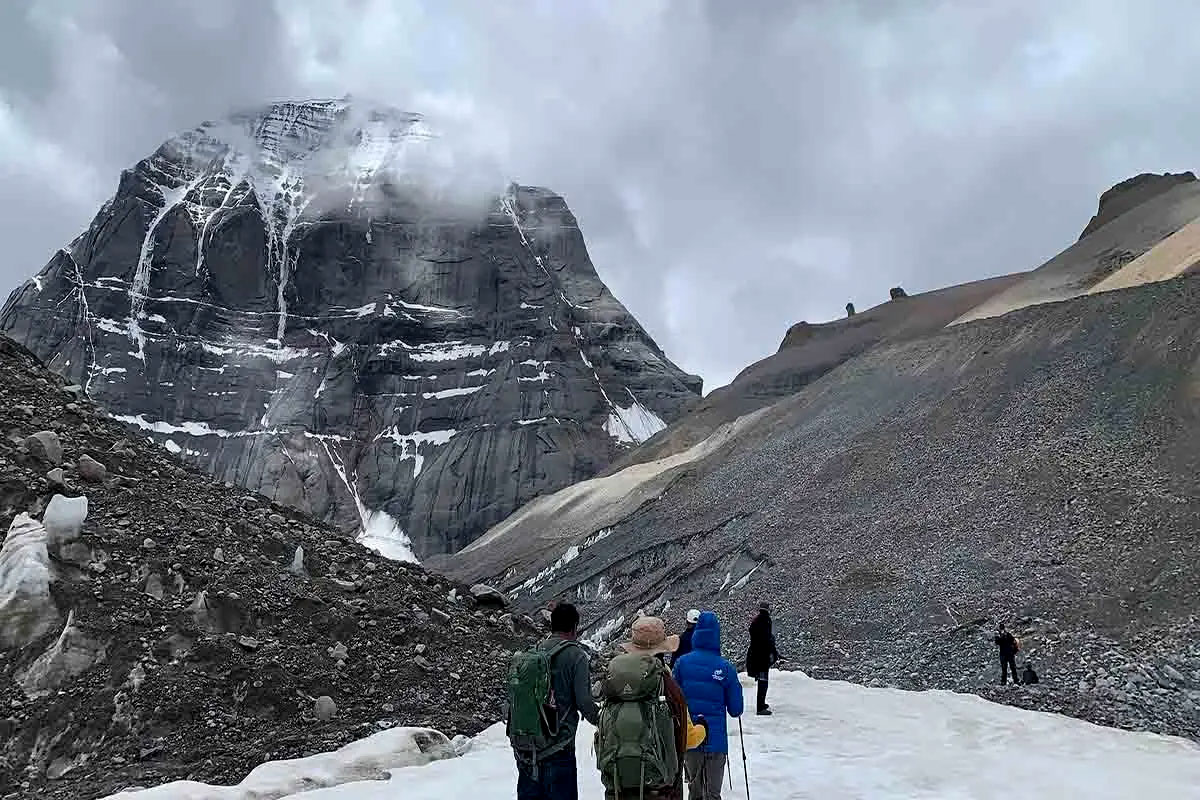
For centuries, Mount Kailash and Lake Mansarovar have drawn spiritual seekers, pilgrims, and adventure travelers from across the world. Revered by Hindus as the abode of Lord Shiva, by Buddhists as the dwelling of Demchok, by Jains as the place of liberation of Rishabhdev, and by followers of Bon as a sacred cosmic mountain, Mount Kailash stands at the spiritual center of Asia. Today, an increasing number of American travelers are fulfilling their lifelong dream of undertaking the Kailash Mansarovar Yatra.
If you are an American citizen living in the United States and wondering how to reach Kailash Mansarovar, this detailed guide is designed specifically for you. From choosing the right route and understanding visa and permit requirements to planning flights, acclimatization, and practical travel tips, this article explains every step clearly and realistically.
Mount Kailash (6,638 meters) is located in the Ngari Prefecture of western Tibet Autonomous Region (China). Lake Mansarovar lies nearby at an altitude of approximately 4,590 meters. Due to its sensitive location near international borders, independent travel is not allowed. All foreign travelers, including Americans, must join an authorized tour operator and travel in a guided group.
For travelers from the United States, the journey involves three major stages:
1. Traveling from the USA to Asia (usually Nepal or China)
2. Entering Tibet via an approved route
3. Reaching Mount Kailash and completing the parikrama (kora)
Yes, American citizens can visit Kailash Mansarovar legally, provided they meet all visa and permit requirements. Unlike Indian citizens who have special government-organized yatras, Americans must travel through authorized international routes, primarily via Nepal or mainland China. Travel regulations may change seasonally or politically, so planning with an experienced Kailash tour operator is essential.
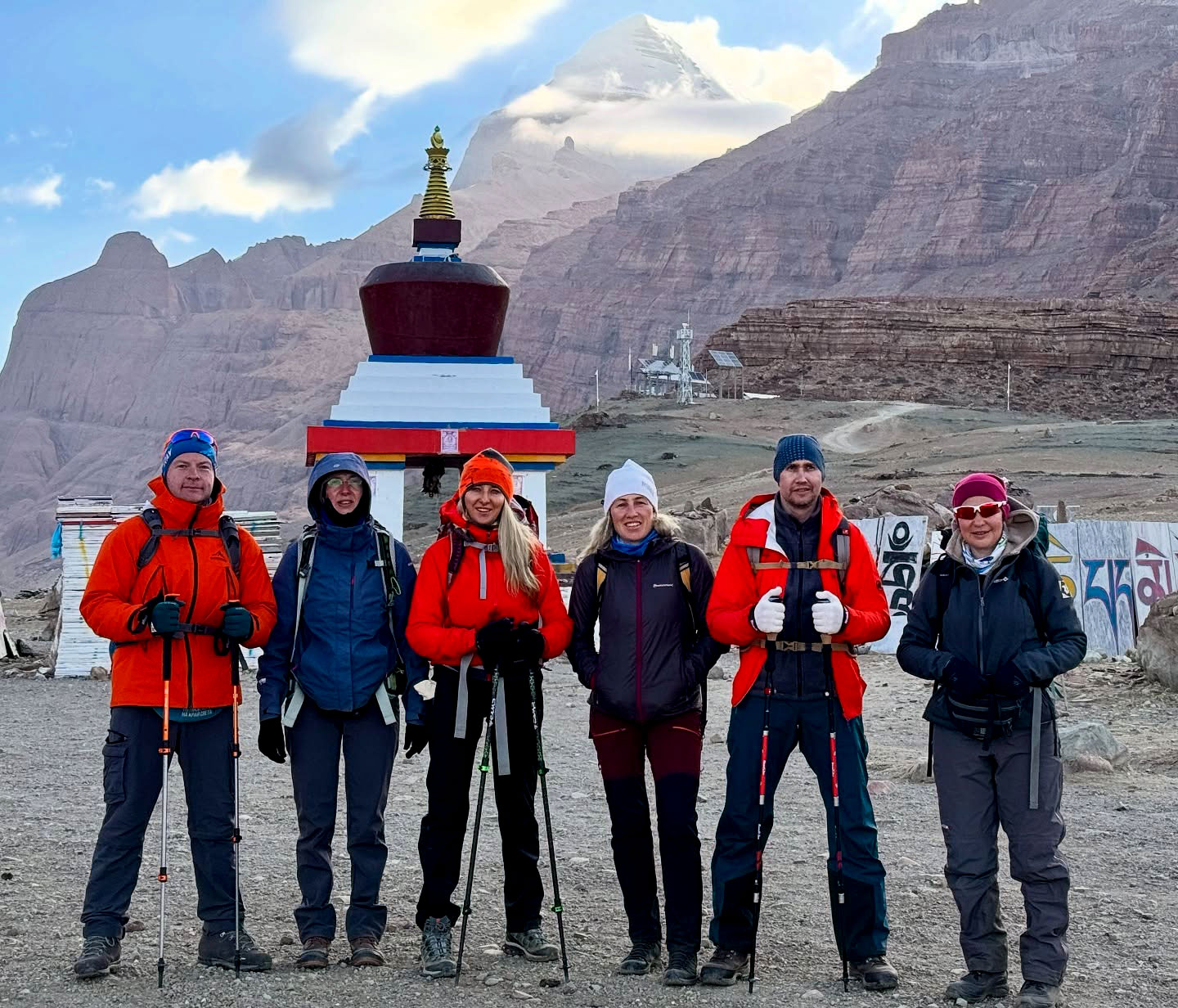
There are two primary and most reliable routes for American travelers:
This is the most preferred and convenient route for Americans due to easier logistics, cultural familiarity, and smoother altitude acclimatization.
Route Overview: USA → Kathmandu (Nepal) → Tibet (via flight or overland) → Kailash Mansarovar
Why Americans Prefer This Route:
⦿ Nepal is visa-friendly for US passport holders
⦿ Well-established Kailash tour infrastructure
⦿ Gradual altitude gain helps reduce AMS risk
⦿ Shorter travel time compared to older overland routes
This route involves entering China first and then traveling to Tibet internally.
Route Overview: USA → Beijing / Shanghai / Chengdu → Lhasa → Kailash Mansarovar
Key Points:
⦿ Requires Chinese visa and Tibet Travel Permit
⦿ Longer travel duration
⦿ More cultural sightseeing in China and Lhasa
⦿ Suitable for travelers interested in a broader Tibet experience
⦿ Doha
⦿ Dubai
⦿ Istanbul
⦿ Delhi
⦿ Bangkok
Total travel time usually ranges between 18 to 24 hours, depending on connections.
US passport holders can obtain a Nepal tourist visa on arrival at Tribhuvan International Airport in Kathmandu.
Visa Options:
⦿ 15 days
⦿ 30 days (recommended)
⦿ 90 days
You will need:
⦿ Passport valid for at least 6 months
⦿ Passport-sized photos
⦿ Visa fee (payable in USD)
This is the most important and sensitive part of planning the yatra.
Americans cannot use a Chinese embassy-issued visa to enter Tibet via Nepal. Instead, a special Tibet Group Visa is issued through an authorized Tibetan agency in Kathmandu.
Your tour operator will arrange all mandatory permits, including:
⦿ Tibet Travel Permit
⦿ Alien Travel Permit
⦿ Military Permit
⦿ Border Pass
These permits are issued only for group travel and are non-negotiable.
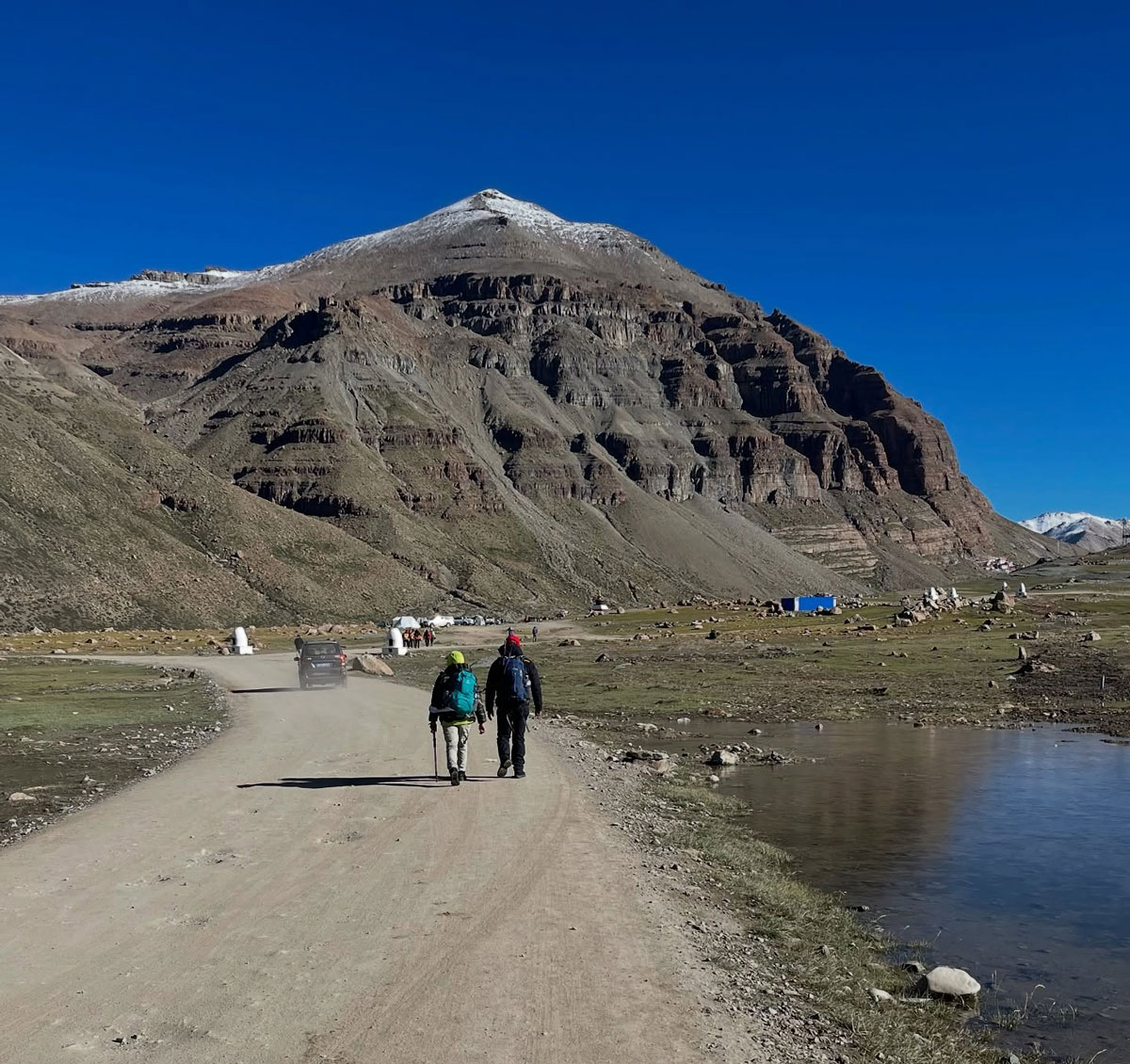
Once permits are approved, travelers proceed to Tibet using one of the following methods:
⦿ Duration: ~1.5 hours
⦿ Scenic Himalayan views
⦿ Faster and more comfortable
⦿ Drive from Kathmandu to Kerung (Nepal–Tibet border)
⦿ Allows gradual altitude acclimatization
⦿ Ideal for first-time high-altitude travelers
After entering Tibet, the journey continues by road through breathtaking landscapes:
⦿ Saga
⦿ Paryang
⦿ Lake Mansarovar
⦿ Darchen (base town of Mount Kailash)
Travel is conducted in comfortable SUVs or tourist coaches with experienced Tibetan drivers and guides.
The sacred circumambulation of Mount Kailash is approximately 52 kilometers and usually completed in three days.
Parikrama Highlights:
Day 1: Darchen to Dirapuk Monastery
Day 2: Dirapuk to Zutulpuk via Dolma La Pass (5,630 m)
Day 3: Zutulpuk to Darchen
While physically demanding, the parikrama is considered spiritually transformative.
The yatra season is limited due to extreme weather conditions.
Best Months:
⦿ May to September
Peak Season:
⦿ June to August
Weather during these months is relatively stable, though temperatures can drop below freezing at night.

High altitude is the biggest challenge for American travelers.
Preparation Tips:
⦿ Begin cardio training at least 2–3 months in advance
⦿ Practice breathing exercises
⦿ Avoid alcohol and smoking before and during the yatra
⦿ Ascend gradually and follow guide instructions
Travel insurance covering high-altitude evacuation is strongly recommended.
Essential items include:
⦿ Thermal clothing and down jackets
⦿ Waterproof trekking shoes
⦿ Sunglasses and sunscreen
⦿ Personal medications
⦿ Trekking poles
⦿ Reusable water bottles
Your tour operator will usually provide a detailed packing checklist.
The total cost varies based on route, comfort level, and group size.
Estimated Cost Range: USD 5,000 – USD 9,000 per person
This generally includes:
⦿ Ground transportation
⦿ Accommodation
⦿ Meals
⦿ Permits and visas
⦿ Guide services
International flights from the USA are usually excluded.
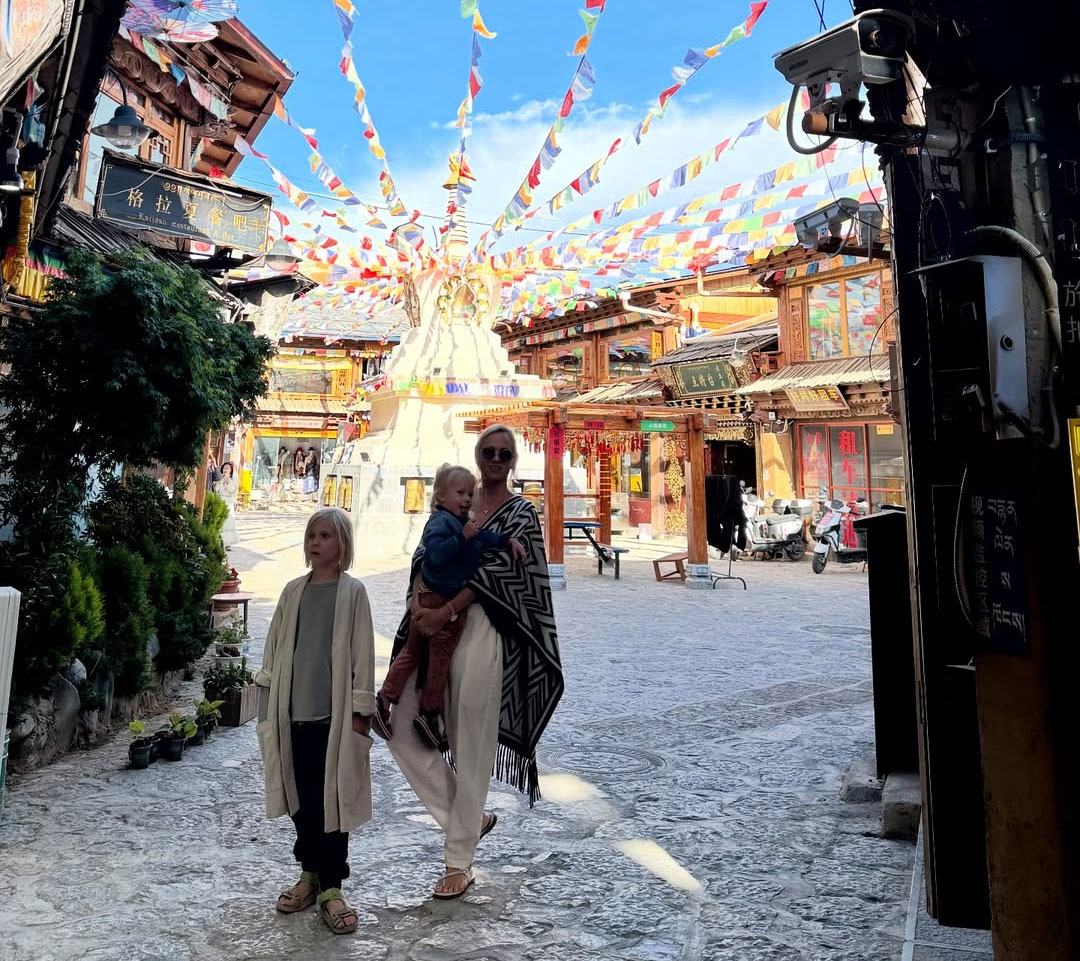
Respect for local customs is essential.
⦿ Always walk clockwise during parikrama
⦿ Avoid touching sacred objects without permission
⦿ Dress modestly
⦿ Do not litter or disturb wildlife
For Americans, choosing the right tour operator ensures:
⦿ Smooth visa and permit processing
⦿ Medical and logistical support
⦿ Experienced Tibetan guides
⦿ Safety and compliance with regulations
Independent travel is not permitted, making professional support essential.
Reaching Kailash Mansarovar from the United States is not just about crossing continents; it is about embarking on a sacred inner journey. Despite logistical complexities and physical challenges, thousands of American pilgrims describe the experience as life-changing. With proper planning, the right guidance, and a respectful mindset, the Kailash Mansarovar Yatra becomes a profound spiritual milestone rather than just a destination.
For American travelers seeking meaning beyond ordinary travel, Mount Kailash awaits—timeless, powerful, and eternally sacred.
Ans. Yes, American citizens can visit Kailash Mansarovar, but only through authorized tour operators. Independent travel is not allowed due to Tibet travel regulations.
Ans. The most popular and convenient route for Americans is via Nepal (Kathmandu to Tibet). It offers smoother logistics, easier visas, and better acclimatization.
Ans. Americans entering Tibet via Nepal require a special Tibet Group Visa, not a regular Chinese visa. This is arranged by the tour operator in Kathmandu.
Ans. Including international travel, the complete journey typically takes 15 to 20 days, depending on the route and itinerary.
Ans. The average cost ranges from USD 5,000 to USD 9,000 per person, excluding international flights from the USA.