Aerial Darshan
Chartered Flight - 03 Days
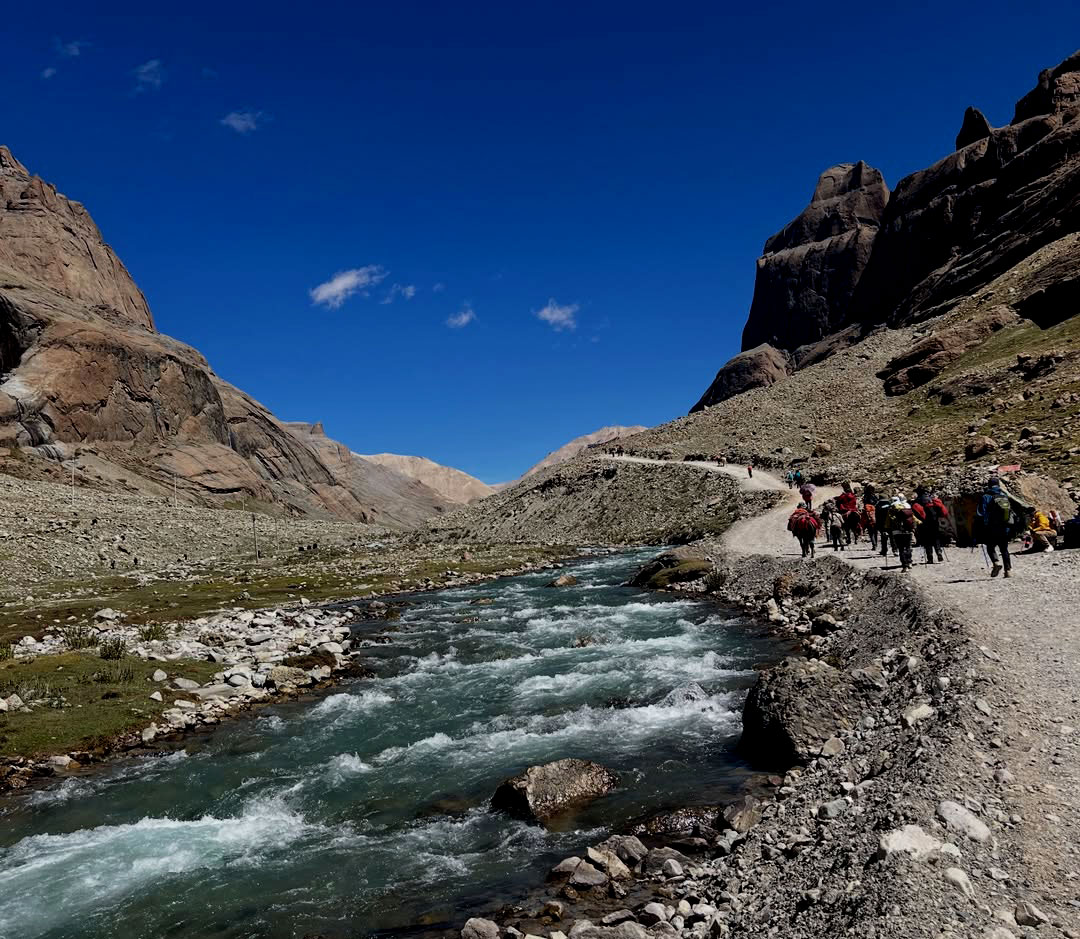
Mount Kailash and Lake Mansarovar are among the most sacred pilgrimage destinations in the world. Revered by Hindus, Buddhists, Jains, and Bon followers, this divine site attracts thousands every year. Pilgrims from Germany often ask how to plan the journey — from flights to permits, routes through Nepal or India, travel logistics, and spiritual preparation. This article guides you step-by-step from Germany to the Kailash Mansarovar Yatra.
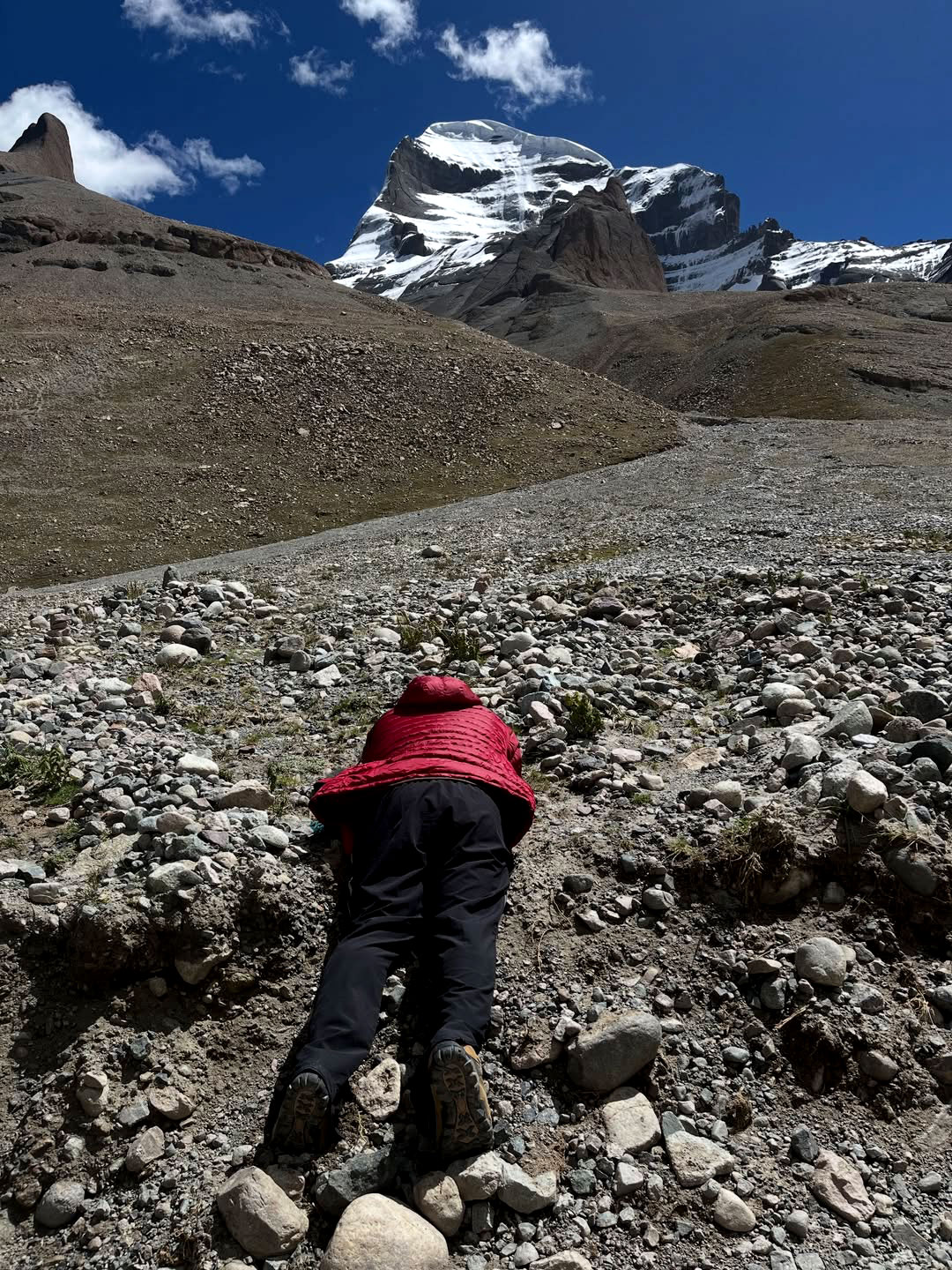
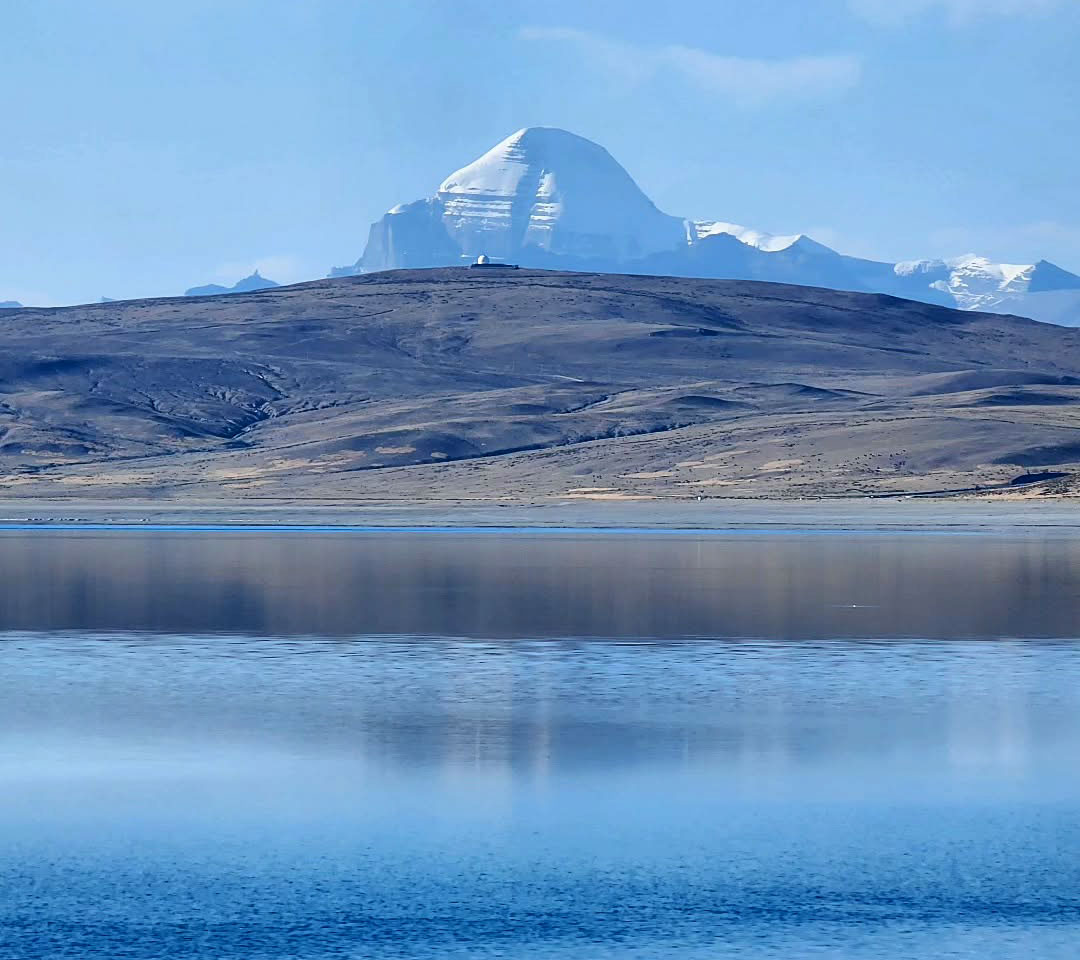
Mount Kailash — believed to be the abode of Lord Shiva — represents the pinnacle of spiritual pilgrimage in several belief systems. Mansarovar Lake, nestled at the foot of the mountain, symbolizes purity and liberation. For many German pilgrims, this journey is a once-in-a-lifetime spiritual quest blending faith, culture, and adventure.
If you’re departing from Germany, your pilgrimage journey typically follows this travel flow:
1. International Flight from Germany to Kathmandu (Nepal) or to Delhi (India)
2. Transit to Nepal or India Mainland
3. Overland Journey to the Tibet Border
4. Travel Across Tibet to Mount Kailash and Mansarovar
5. Return Journey via Same Route
The Kailash Mansarovar Yatra is highly seasonal due to Himalayan weather:
⦿ April to June: Ideal weather, roads clear
⦿ September to October: Post-monsoon clarity and pleasant climate
⦿ Avoid: Winter months (Nov–Mar) due to heavy snow, blocked roads
Planning within these windows ensures safer travel and reduced risk of cancellations.
German pilgrims generally fly from major international airports such as:
⦿ Frankfurt Airport (FRA)
⦿ Munich Airport (MUC)
⦿ Berlin Brandenburg (BER)
This is the most popular gateway for Kailash Mansarovar.
Typical Flight Route:
⦿ German Airport → Kathmandu (Tribhuvan International Airport)
⦿ Airlines: Lufthansa, Turkish Airlines, Qatar Airways, Emirates, Etihad
From Kathmandu, travelers prepare for ground transit to the Tibet border at Kodari (Nepal-China border) or take a shorter flight to Lhasa, Tibet (not always available).
Another option for connecting flights with more frequent schedules.
Example Flow:
Germany to Delhi (DEL)
Delhi to Kathmandu (KTM)
Delhi often has more flight options and cheaper tickets from Germany.
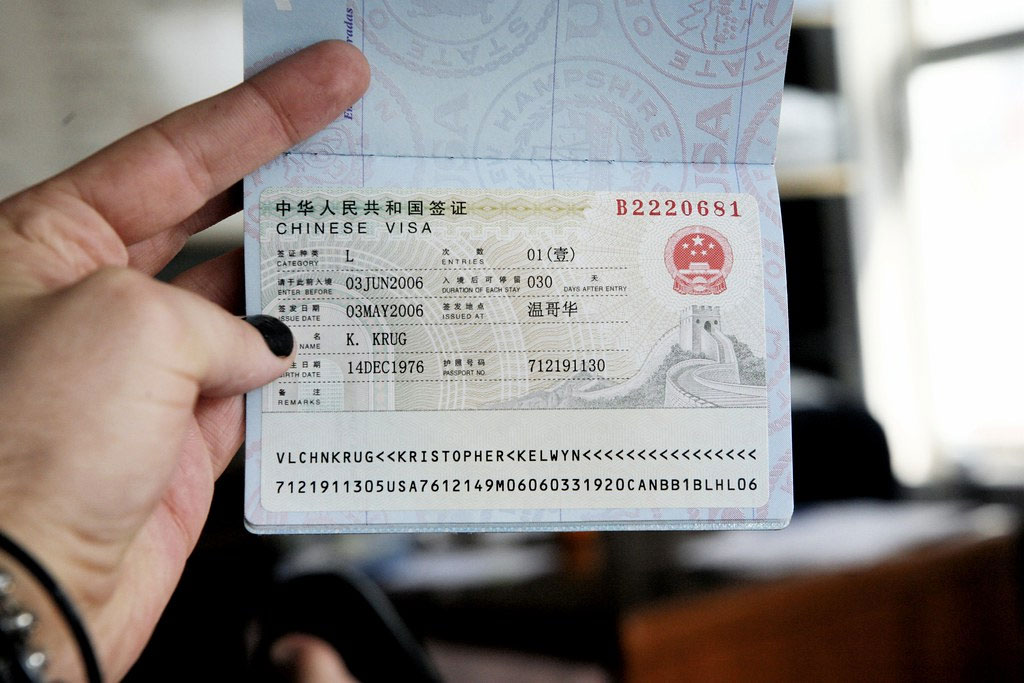
a. Nepal Visa
Most foreign nationals (including Germans) obtain visa on arrival in Nepal. Requirements include:
⦿ GValid passport (6 months minimum)
⦿ GRecent photographs
⦿ GVisa fee (payable on arrival)
b. Chinese Tibet Travel Permit
To enter Tibet and go to Kailash Mansarovar:
⦿ Tibet Entry Permit
⦿ Alien Travel Permit
⦿ Military Permit
These are arranged only through a registered travel agency. Individual independent travel in Tibet is not allowed.
Note: For German citizens, you must apply for China and Tibet permits through your tour operator. Always start permit applications at least 30–45 days in advance.
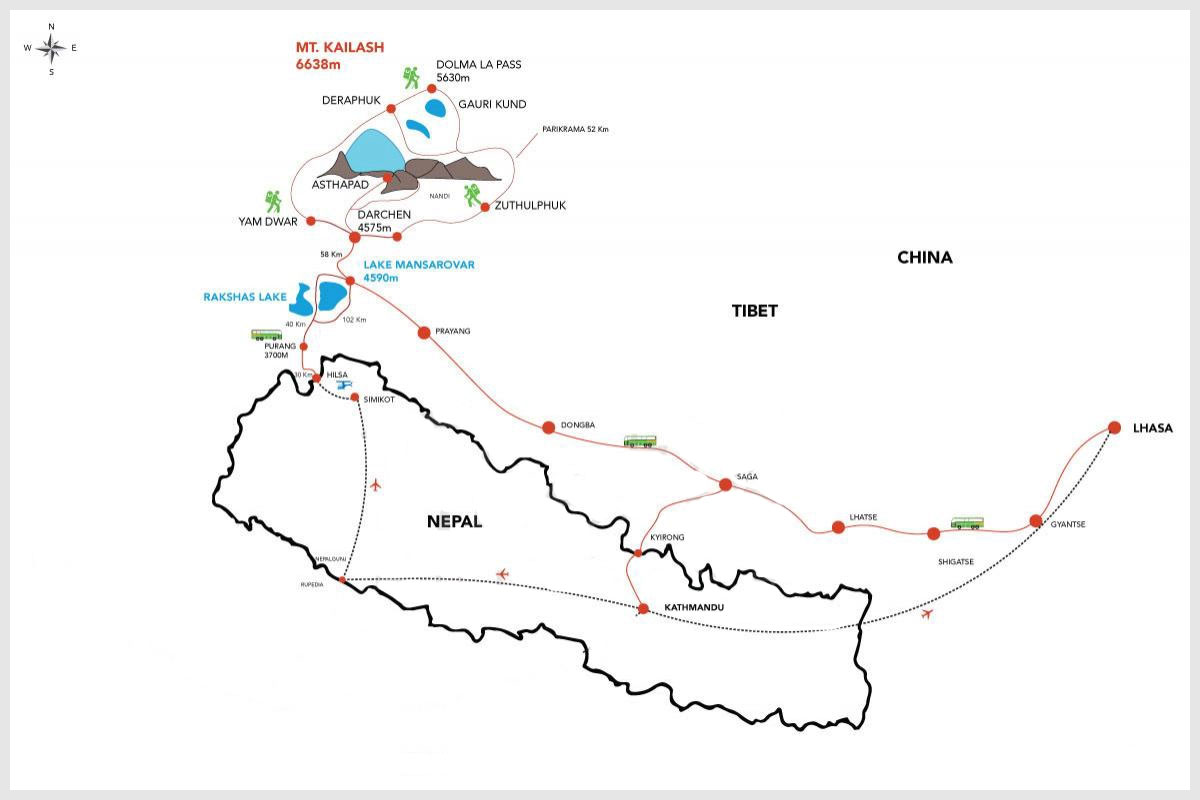
There are two primary international routes:
This traditional land route is historically popular.
1. Kathmandu to Kodari (Nepal-China border)
⦿ Road journey (~7–8 hours)
2. Cross into Zhangmu (Tibet)
⦿ Border formalities
3. Zhangmu → Lhasa
⦿ Approximately 8–10 hours by road
4. Lhasa → Mount Kailash
⦿ 2–3 days of scenic travel through Tibetan plateaus
Pros
⦿ More scenic high Himalayan roads
⦿ Cultural experience across Nepal and Tibet
Cons
⦿ Road conditions may vary
⦿ Border traffic delays possible
This route is ideal for those wanting to skip long road travel.
⦿ Kathmandu to Lhasa Flight
⦿ Then drive from Lhasa to Kailash through Tibet
Advantages
⦿ Faster
⦿ Less time on bumpy roads
⦿ Suitable for older or less physically fit travelers
Note: Seasonal flight availability may vary.
Alternatively, pilgrims may enter via India:
1. Germany ➝ Delhi ➝ Kathmandu
⦿ (India allows transit to Nepal without Indian visa if staying in transit)
2. Kathmandu to Tibet Route (as above)
Or
1. Germany ➝ Delhi
2. Delhi to Siliguri / Raxaul / Lucknow / Guwahati to Nepal border
3. Then overland to Kathmandu or directly to border
India’s route mostly supports travelers comfortable with a more complex itinerary involving multiple segments.
Pilgrims must prepare:
⦿ Valid Passport (with extra blank pages)
⦿ Nepal Visa (on arrival or pre-applied)
⦿ China/Tibet Travel Permit
⦿ Health/Travel Insurance (including altitude coverage)
⦿ Flight Tickets
⦿ Tour Package Travel Documents
⦿ Emergency Contact Information
Your travel operator will assist with permit coordination. Always carry multiple copies.
Mount Kailash sits at over 6,600 m (21,660 ft) altitude. Mansarovar Lake lies above 4,500 m (14,760 ft).
Tips for Acclimatization
⦿ Stay a few days in Kathmandu
⦿ Spend time in Lhasa or Shigatse
⦿ Hydrate and avoid alcohol
⦿ Gradual trekking with breaks
⦿ Consult your doctor for altitude medicines
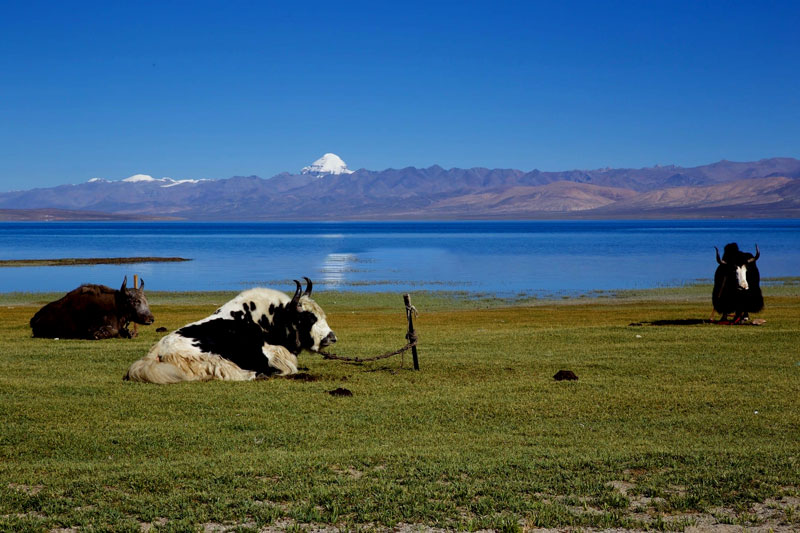
Once inside Tibet:
⦿ Long scenic drives through the Tibetan Plateau
⦿ Stops at nomadic settlements and monasteries
⦿ Views of snow-capped peaks, high passes, and sacred landscapes
⦿ Spiritual rituals and guided tours to
a. Mansarovar Lake
b.Kora (circumambulation) around Mount Kailash
Total journey in Tibet can last 7–10 days depending on your package.
Because independent travel is not allowed in Tibet beyond Lhasa without permits, most German pilgrims book through registered agencies. When selecting a package, consider:
a. Duration
⦿ Standard: 12–16 days
⦿ xtended: 18–22 days with more stops
b. Comfort Level
⦿ Luxury
I. 4★–5★ hotels
II. Comfortable vehicles
c. Inclusions
⦿ All permits
⦿ Hotels, Meals, Transport
⦿ Permitted guides fluent in English/German
⦿ Support staff
Choose agencies experienced in Tibet pilgrimages to avoid permit or route hassles.
After completing the Kailash Kora, most itineraries include:
⦿ Visit to Lake Mansarovar for spiritual cleansing
⦿ Ceremonial puja or prayers
⦿ Optional dip at select water points
⦿ Photos at scenic, auspicious points
Your operator typically schedules a rest day after the Kora due to physical exertion.
Return paths usually mirror the arrival route:
1. Tibet → Kathmandu
2. Kathmandu → Delhi (optional)
3. International Flight back to Germany
Alternatively, some packages may offer:
⦿ Tibet → Lhasa → Chengdu (China route)
⦿ Fly from Chengdu to Germany (via another Chinese hub)
This route may require China visas beyond Tibet permits.
Costs vary based on season, package type, and route:
⦿ Complete Package (Germany › Kailash › Germany): €2,500 – €4,500+
A.Includes flights, permits, accommodation, transport
⦿ Insurance & Personal Expense: €200 – €500
⦿ Tips & Optional Activities: €100 – €300
Always request itemized quotations from agencies.
Important gear includes:
⦿ Warm layered clothing
⦿ Sun protection (hat, sunscreen, sunglasses)
⦿ Trekking boots
⦿ Water bottles and snacks
⦿ First-aid & altitude tablets
⦿ Documents folder with originals and copies
Prepare for variable weather — from bright sun to cold winds.
⦿ Respect local traditions and monastic rules
⦿ Dress modestly
⦿ Seek blessings at temples and monasteries
⦿ Offerings are welcome at sacred sites
⦿ Carry small change for donations
Interactions with locals and monks enrich the pilgrimage.
⦿ Keep emergency contacts programmed
⦿ Share itinerary with family
⦿ Register with your embassy in Nepal/India
⦿ Always travel with licensed guides
⦿ Avoid venturing alone at high altitudes
Your travel operator should provide 24/7 support.
⦿ Begin preparations 3–6 months earlier
⦿ Arrange permits well in advance
⦿ Choose reputable travel operators
⦿ Allow rest days for acclimatization
⦿ Keep flexible plans in case of weather delays
With the right planning, your Kailash Mansarovar Yatra from Germany will be spiritually fulfilling, safe, and memorable.
Ans. Yes, Australian passport holders can travel to Kailash Mansarovar by obtaining a valid Chinese Visa, Tibet Travel Permit, Alien Travel Permit, and sometimes a Military Permit. Travel must be arranged via an authorized tour operator.
Ans. There are two main routes: via Nepal (Kathmandu route) which is shorter and easier, and via China mainland (Lhasa route) which is longer but offers a cultural experience and better acclimatization.
Ans. The pilgrimage is open from May to September, with June and August being ideal due to moderate weather. Winter months are not recommended because of extreme cold and road closures.
Ans. Approximate cost ranges from AUD 6,500 to AUD 9,000 via Nepal route, and AUD 7,500 to AUD 10,500 via Lhasa route, depending on services, group size, and travel mode.
Ans. Yes, the journey involves high-altitude trekking and long drives. Travelers should engage in cardio training, walking, and stair climbing 2–3 months prior to the trip, and consult a doctor if they have heart or lung issues.