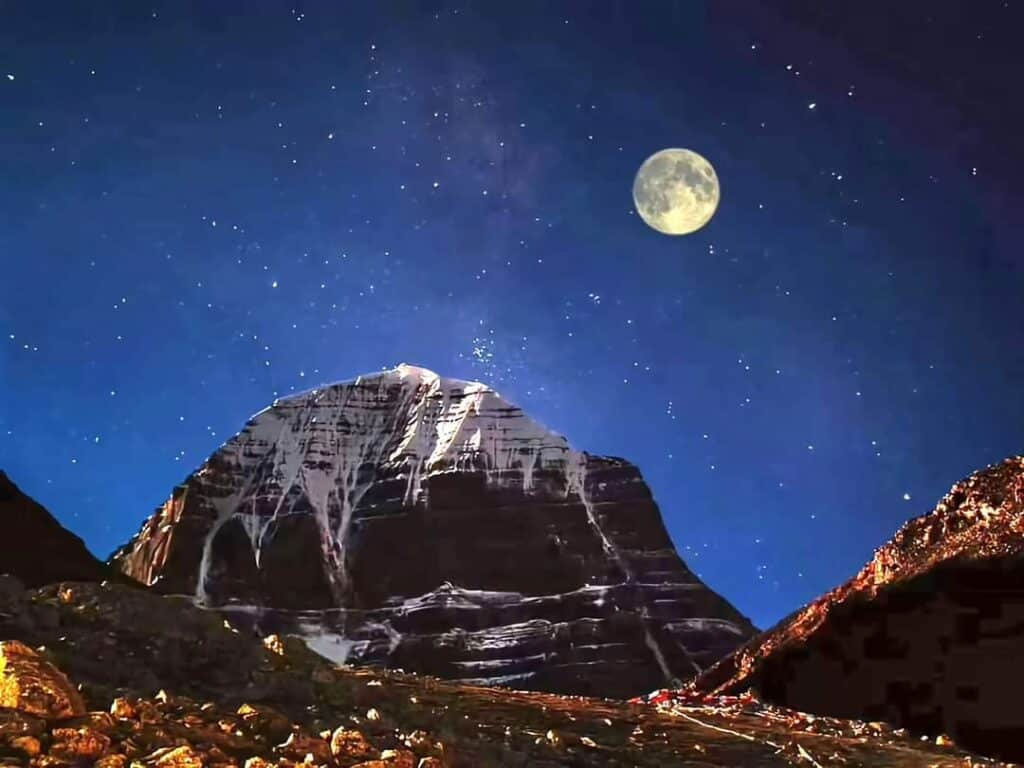
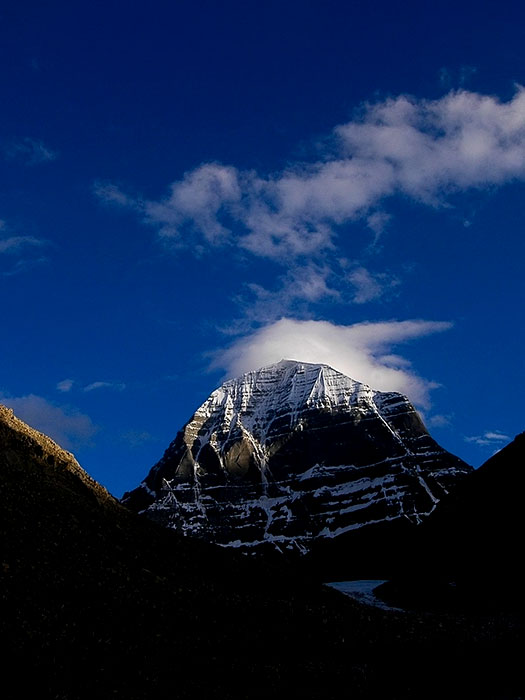
 According to Jain texts, Ashtapad is described as a mountain shrine, soaring and exquisitely crafted with celestial motifs, magnificent stones, and hallowed images. Historians are still debating the literal existence of such a structure, but no one would deny its significance symbolically. The eight levels are often recognised as metaphorical levels of spiritual becoming and a journey away from attachments to all things material and toward ultimate knowledge and liberation. Because of this broader meaning, Ashtapad is now a symbol of the high tenets of Jain philosophy rather than a geographical place. Throughout India, Jain temples frequently showcase artistic representations of Ashtapad. The replicas highlight the mountain with its several terraces, shrines, and places of meditation pertaining to Tirthankaras and saints. These replicas are not only artistic but also serve as focal points for meditation. Devotees often walk or meditate in front of them to help visualise the sacred mountain and contemplate the lessons in Lord Rishabhanatha's spiritual journey.
The tirtha's importance is amplified further by its mythic narratives. Mythic accounts of celestial beings coming to the mountain, divine gatherings during the Tirthankara's Nirvana, and the devotion of King Bharata add to the cultural memory of Ashtapad. These accounts articulate important ideals that, if enacted and lived into, establish the foundation of Jain behaviour (i.e., humility, truth, renunciation, and compassion).
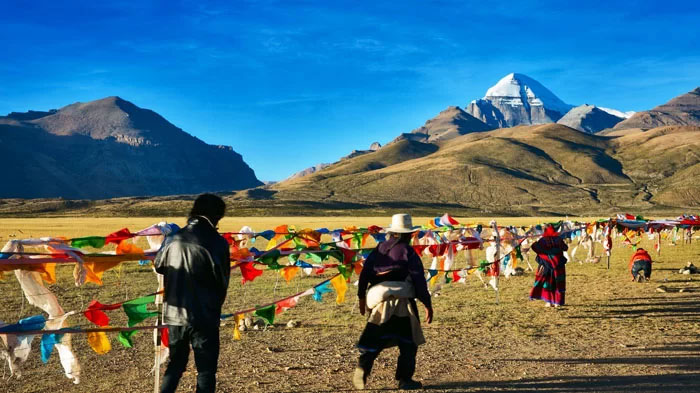
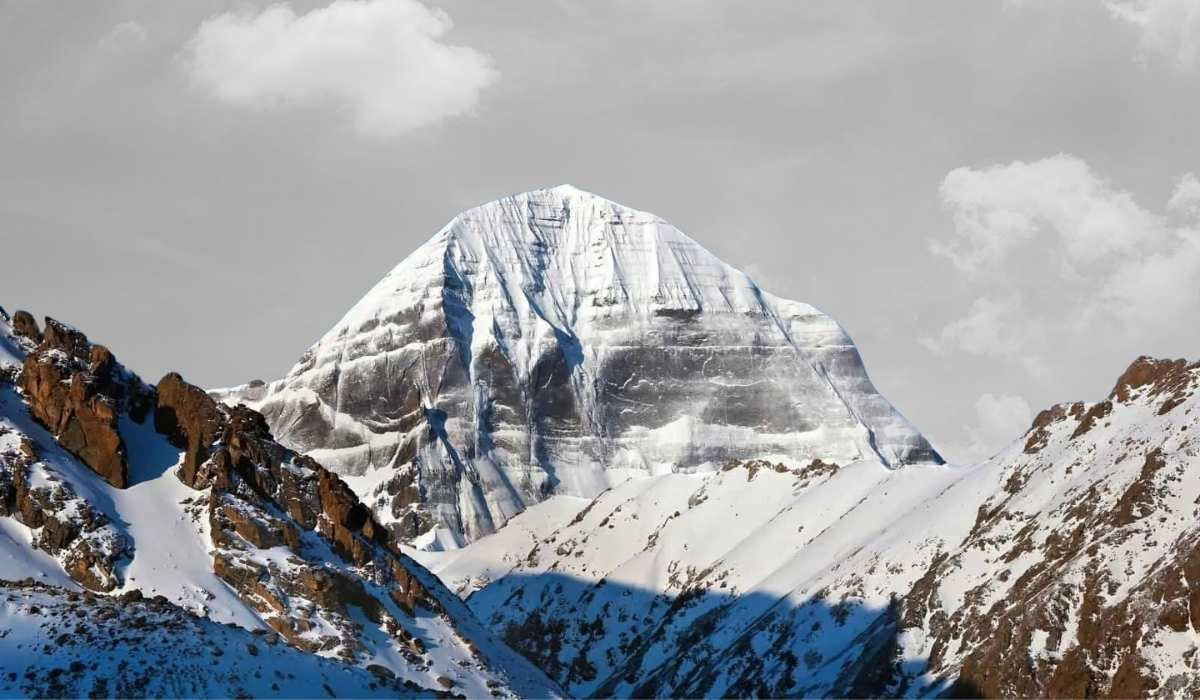
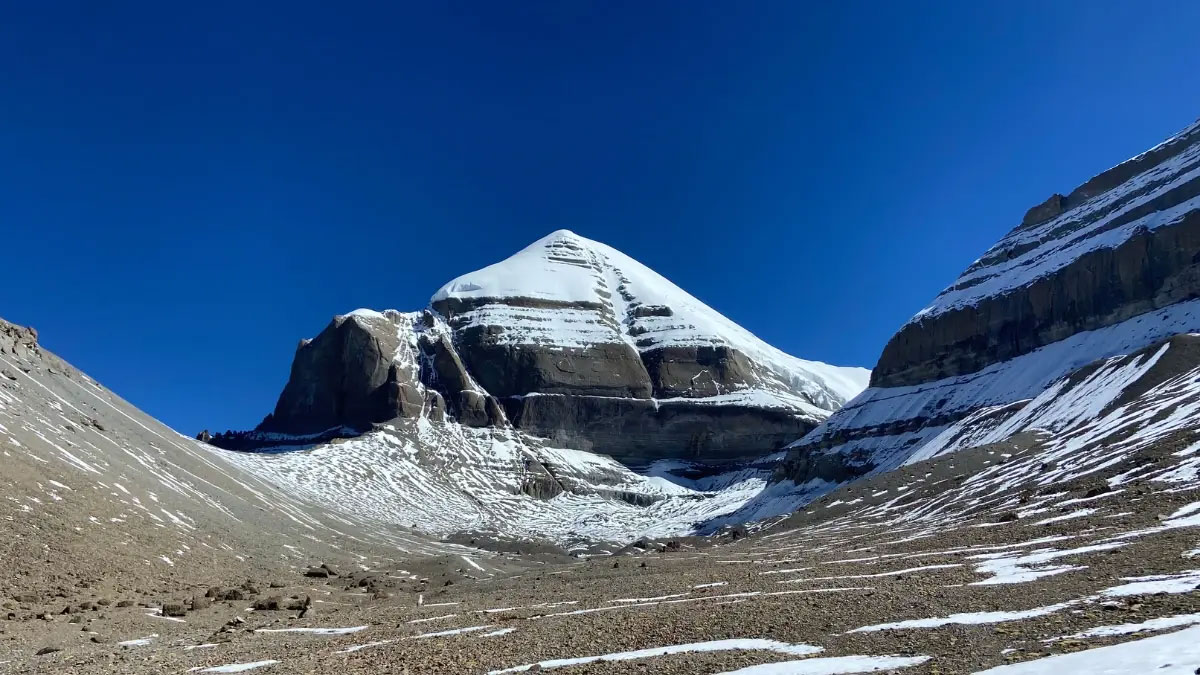
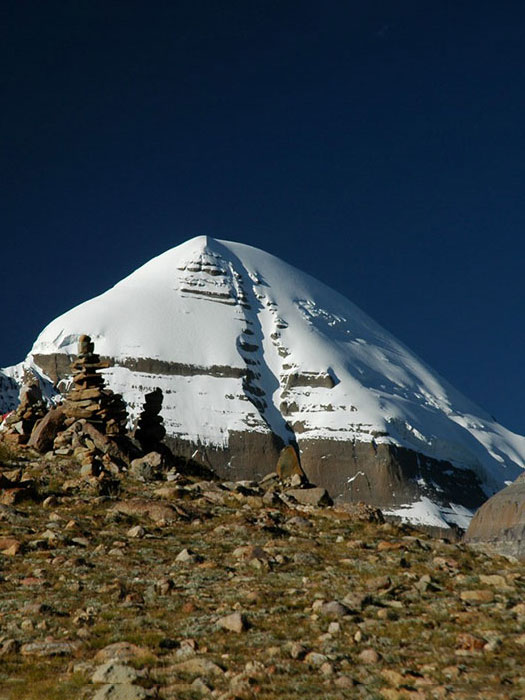 The tirtha also serves as a reminder of the link between self-restraint and spiritual accomplishment. Ashtapad continues to hold a special place in the hearts of Jain communities today. Although visitors still do not have free access to the actual site surrounding Mount Kailash, the spiritual appeal of Ashtapad has not diminished. Today, devotees can engage with the mountain’s sacred symbol at pilgrimage sites that approximate Ashtapad in communities like Palitana, Shikharji, and Hastinapur. Because the dedication and intention of the pilgrimage are paramount to Jain belief, pilgrims assert that these depictions can certainly confer the spiritual merit associated with visiting the original tirtha.