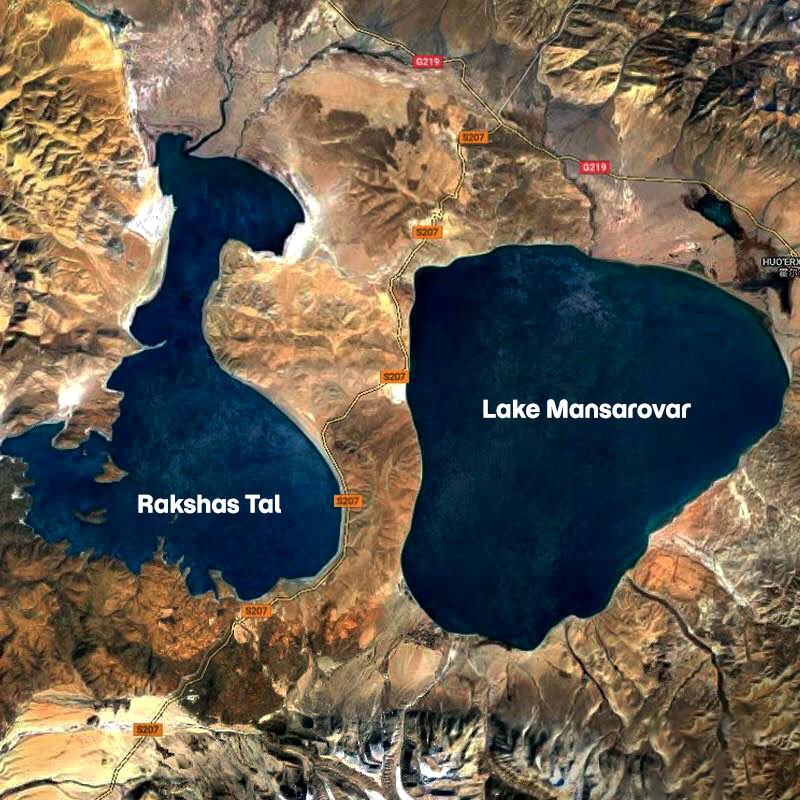
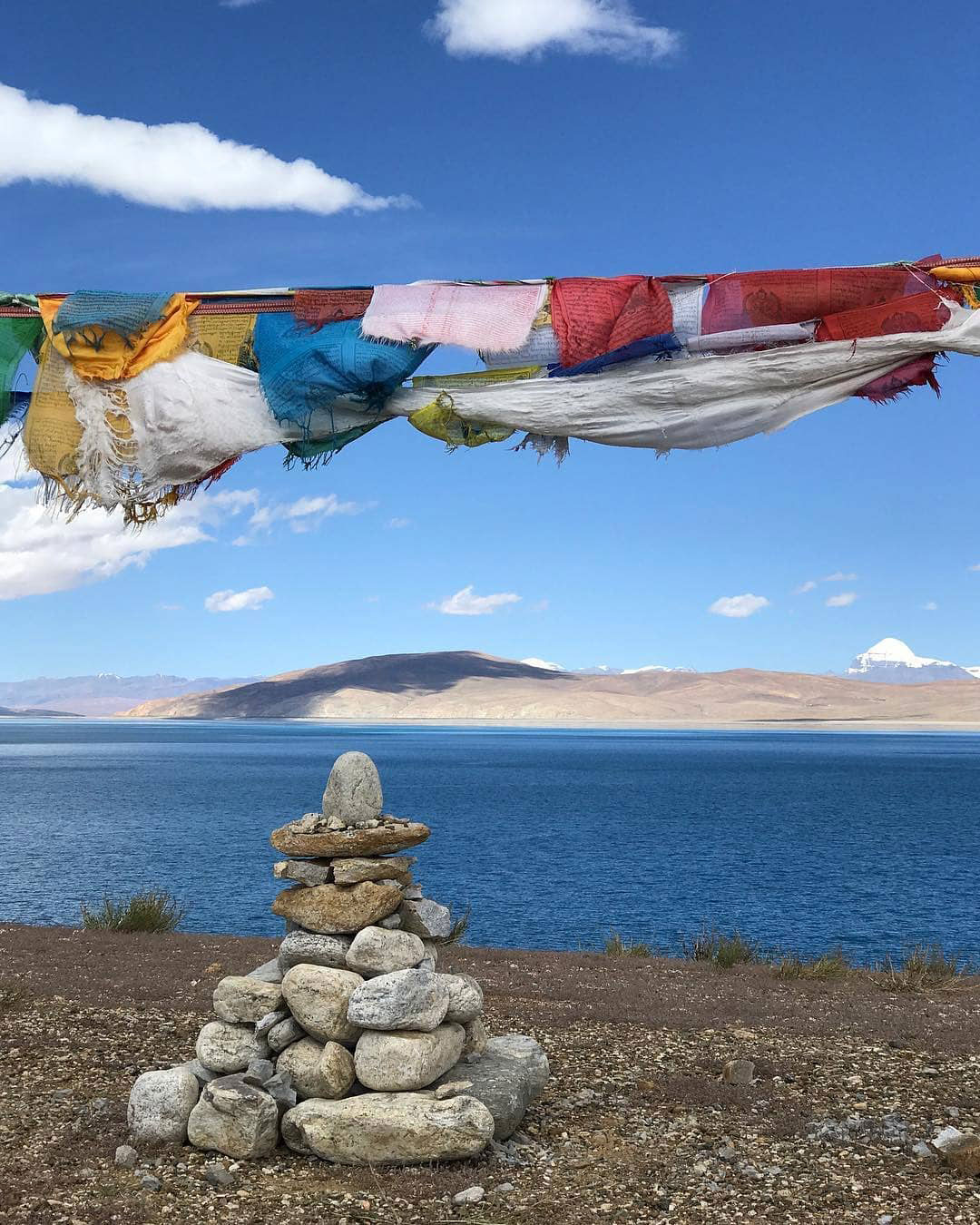
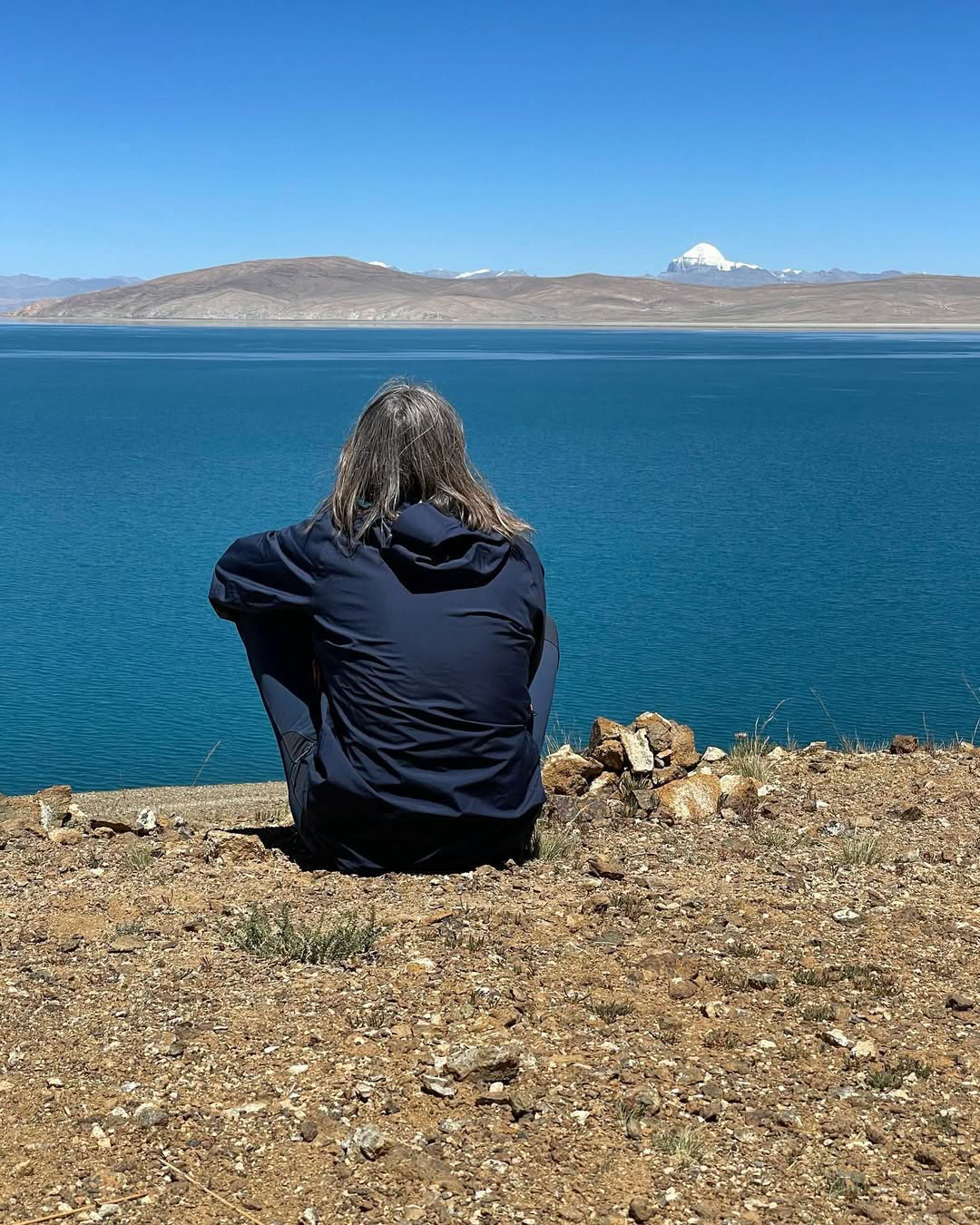
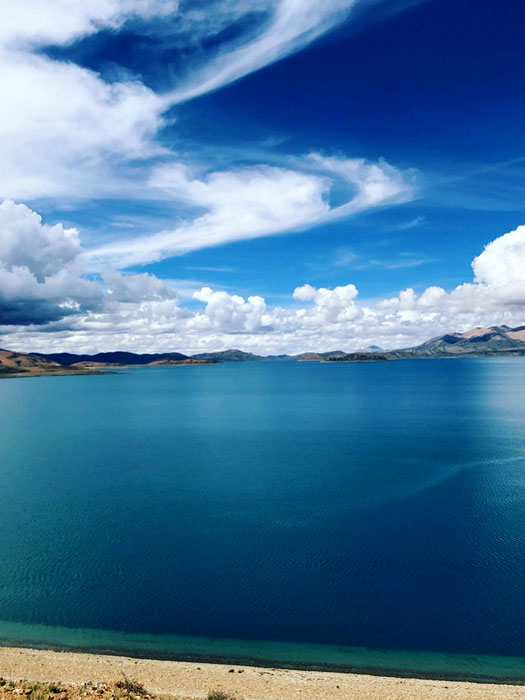
 Ravana is often depicted as an antagonist, and his association with Rakshas Tal illustrates his unwavering devotion and extraordinary spiritual powers. Therefore, the lake has a unique character that is both fearsome as well as sacred, dark yet divine. Though mythologically linked, Rakshas Tal and Mansarovar also differ geographically. With its crescent shape, saltwater, and unmistakable stillness, Rakshas Tal is profoundly mystical in relation to the freshwater, perfectly circular Mansarovar. Indeed, it is almost as though nature had arranged the two bodies of water deliberately to capture the unceasing dance of good and evil, purity and disorder, peace and rage, as they are separated by only a thin isthmus. Together, they create one of the most astonishing spiritual places on earth.
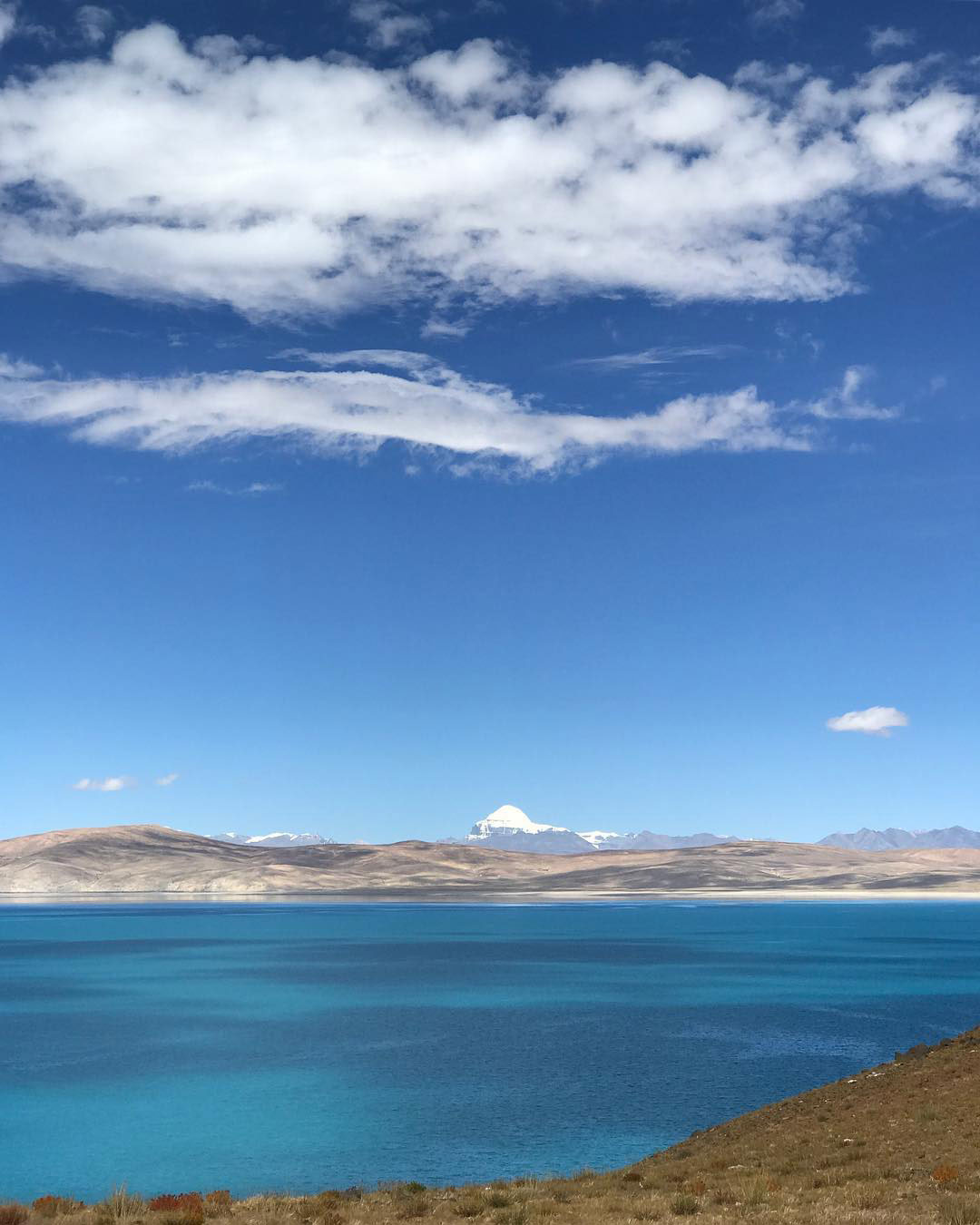
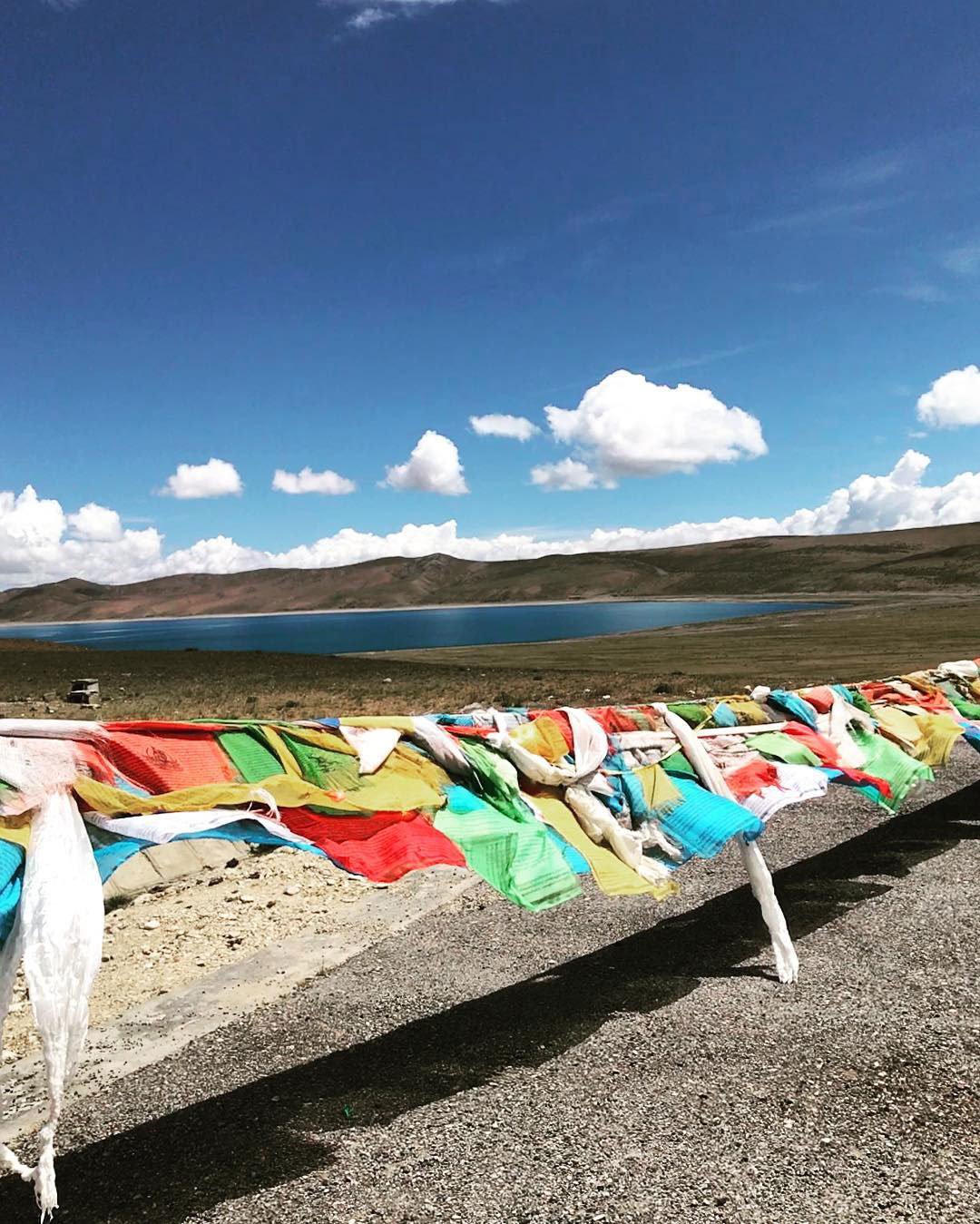
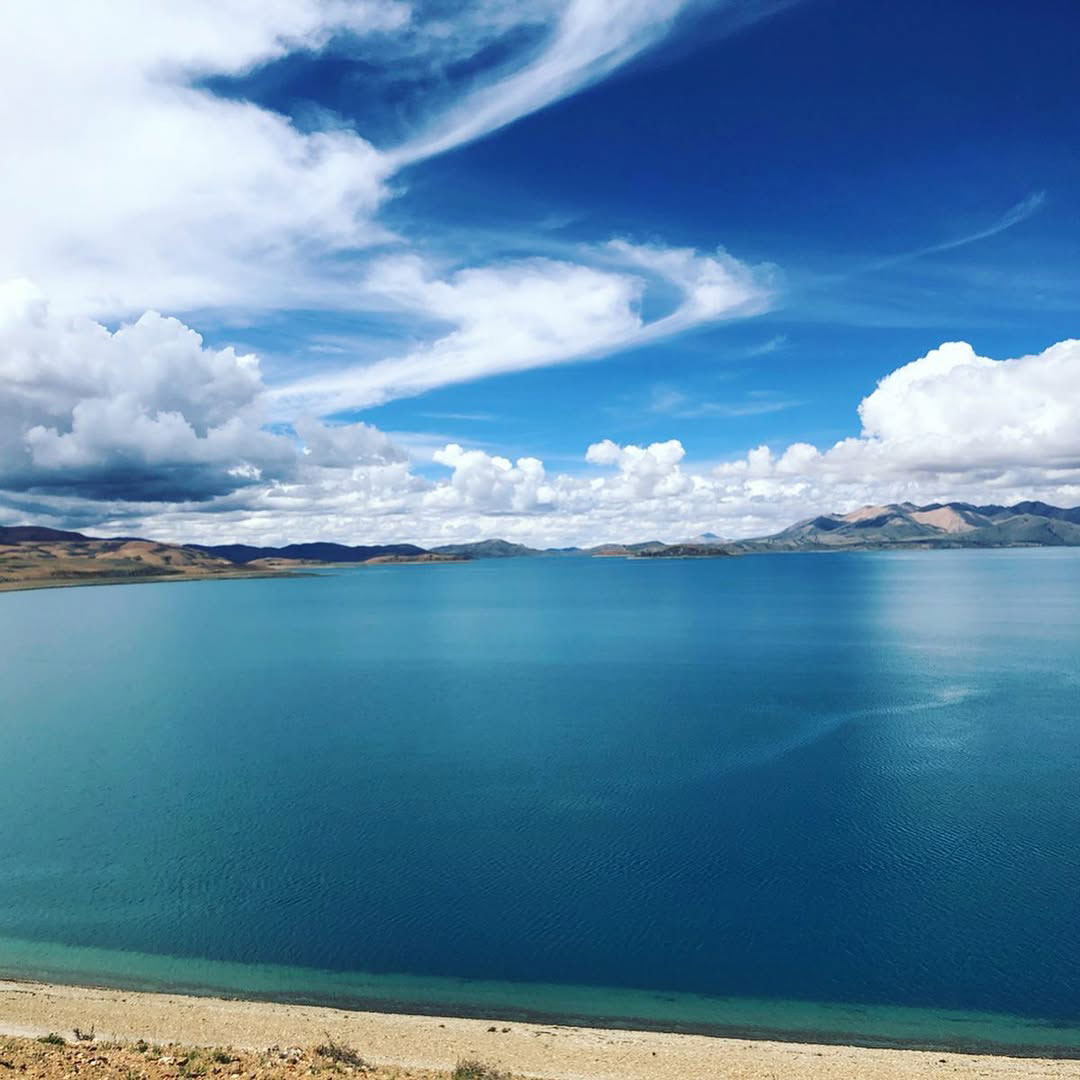
Rakshas Tal is feared, yet the lake is stunning. The water exhibits deep blue, silver, and slate shades that change with the sky. The terrain is spectacular with snow-capped peaks far away, rugged brown hills rise from the grass, and clouds peer out like ghosts. The silence around the lake is thicker than it was at Mansarovar, as if it contains mysteries buried for thousands of years.
After traveling to Rakshas Tal, it is hard not to be awed and humbled by the combination of its reputation and the natural tranquillity of the area. Rakshas Tal is considered an unfavorable lake in Tibetan tradition due to its salinity and barren setting. It contrasts notably with Mansarovar and its life-enhancing symbolism. Nonetheless, many locals and pilgrims believe the two lakes are together an integral balance of cosmic forces. One lake signifies trials, darkness, and the depths of one's humanity; the other symbolizes purification and divinity. Collectively, they represent the idea that light has no significance unless it coexists with darkness.
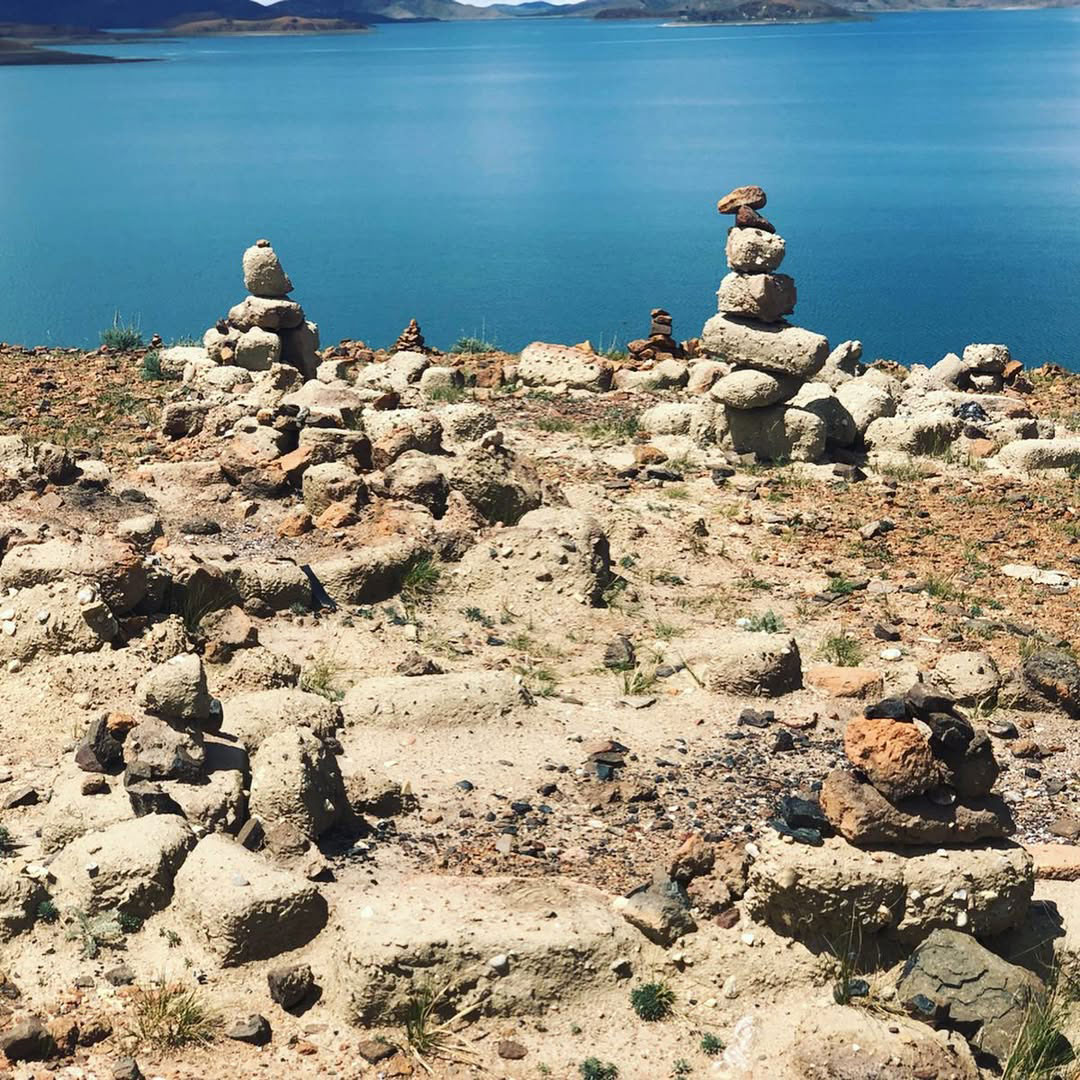
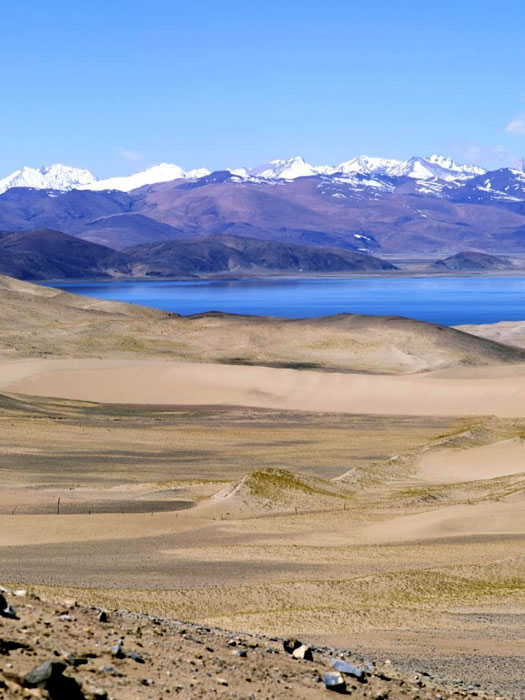 Surrounding cliffs radiate gold with the sunrise, while after dark, the Rakshas Tal has a spiritual connection of its own, although it may be seen as spiritually heavy or even dangerous. The lake contains several small islands, the largest called Lhanag Tso, which is purported to have historically been a place of meditative repose for hermits. Tibetan yogis used to come to this lake to find isolation, as they believed that by overcoming the lake's strong force, they would gain great inner strength. People still visit the lake, as its beauty remains unspoiled and its symbolism is astonishingly powerful. Rakshas Tal is naturally viewed by sightseeing pilgrims journeying along the path to Kailash Mansarovar. The elevated route provides unparalleled views as it approaches the lakeside.