Yam Dwar

Yam Dwar Kailash Yatra Sacred Gateway
to Mt.Kailash

  • Home
  • About Yam Dwar

Where earthly worries pause at the doorway, and the journey toward cosmic truth quietly begins.

Yam Dwar, the name itself might stir a sense of darkness, but its opulence, because of being surrounded by nature, gives it more of a serene touch that makes every moment fulfilling. Yam Dwar, a place where mystery, devotion, and the pristine beauty of the Himalayas come together to create an experience like no other in the world, is located near the tiny village of Darchen in the open, dry expanses of the Tibetan Autonomous Region. Yam Dwar, or the "Doorway of the Lord of Death," is the start of the sacred Mount Kailash Kora pilgrimage route, revered by Buddhists, Hindus, Jains, and Bon followers. The Dwar takes on the sense of a great doorway to a cosmic realm, surrounded by unending plains, mysterious stillness, and the imposing outline of Mount Kailash watching from a distance.

The name of "Yam Dwar" gives an idea of its significance. "Dwar" is the "gate," and "Yam" is for "Yamraj" or Lord of Death, justice, truth. Therefore, symbolically speaking, Yam Dwar communicates the idea of a sacrilegious and sacred checkpoint between worldly life and a spiritual context. Grief requires us to slow down and enter a sacred inner space, a space of stillness, much like the spiritual aura surrounding Mount Kailash. This is likely what many would frame as a spirit of transition, the purification of the past, and readiness of mind to enter in its purity and to be in a stage of moving forward. This is important as it prepares each person by letting go.

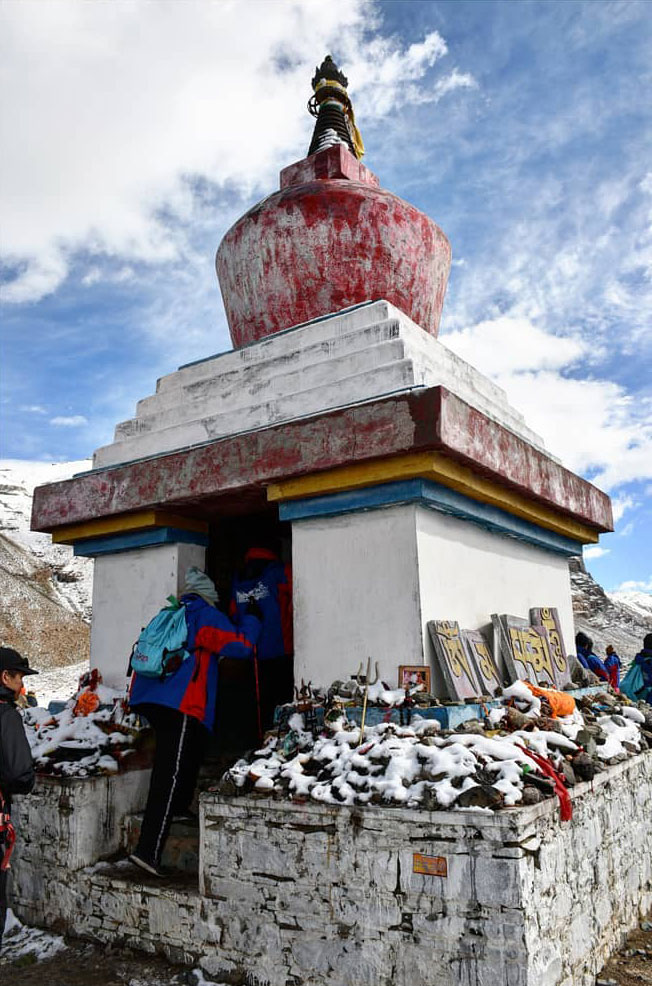
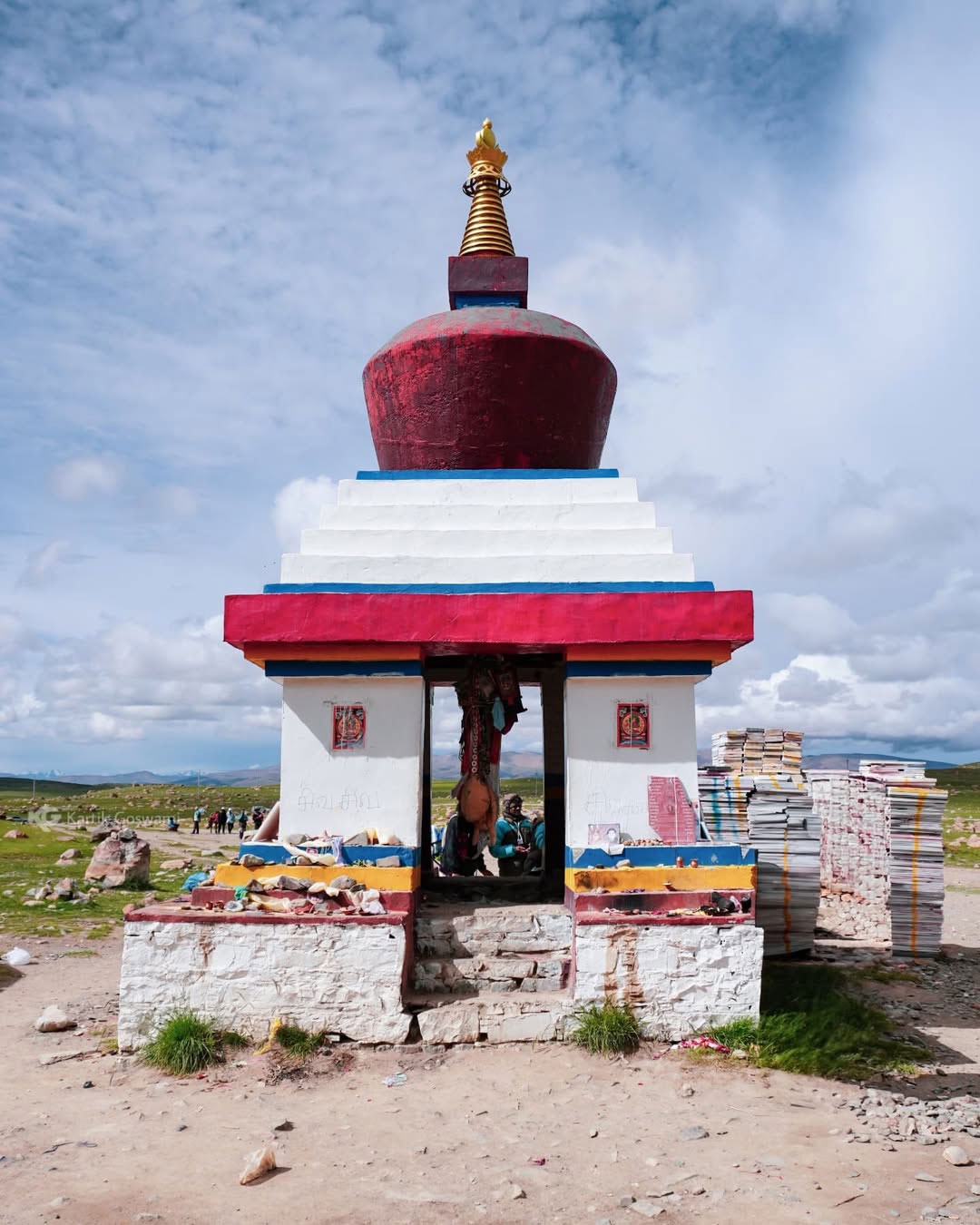
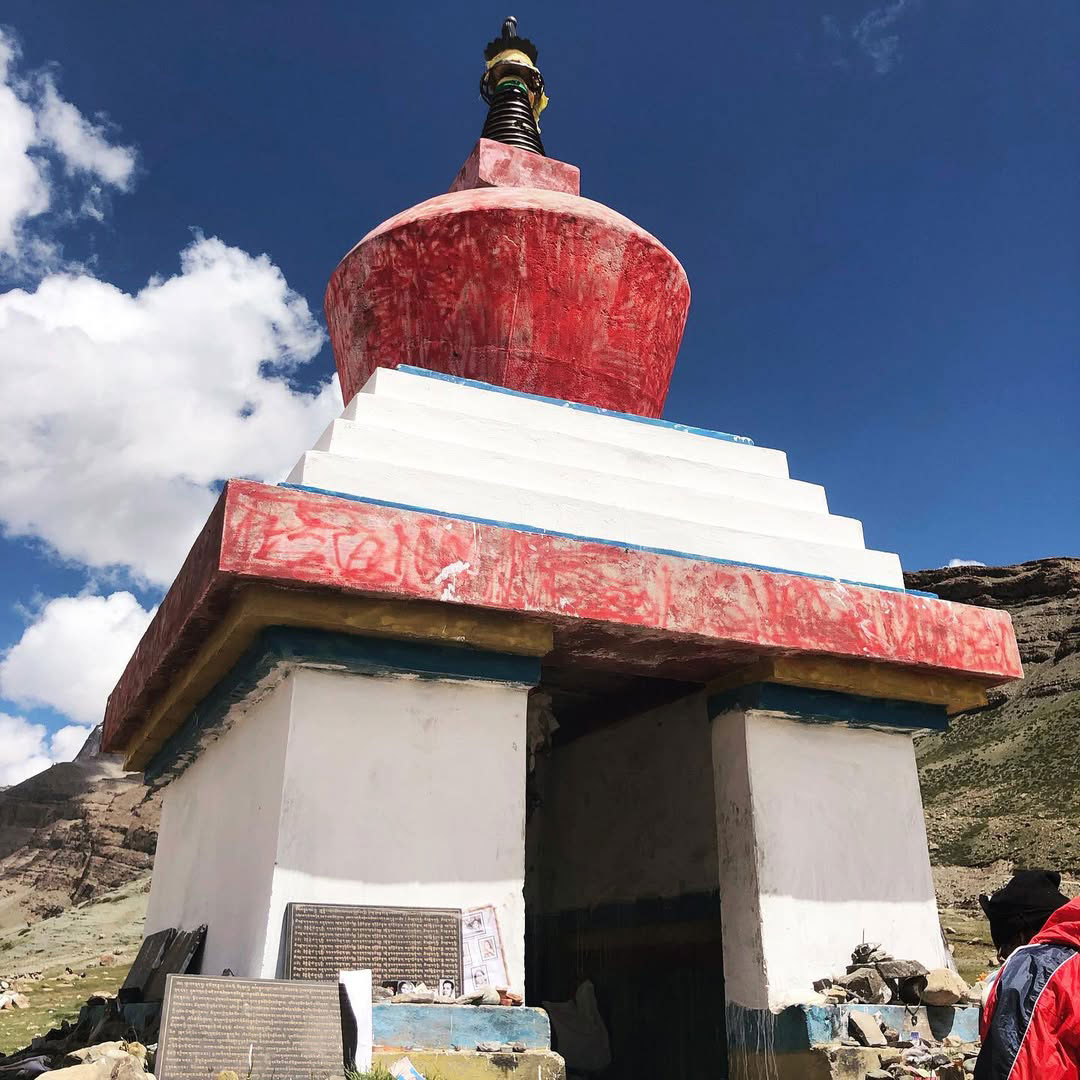
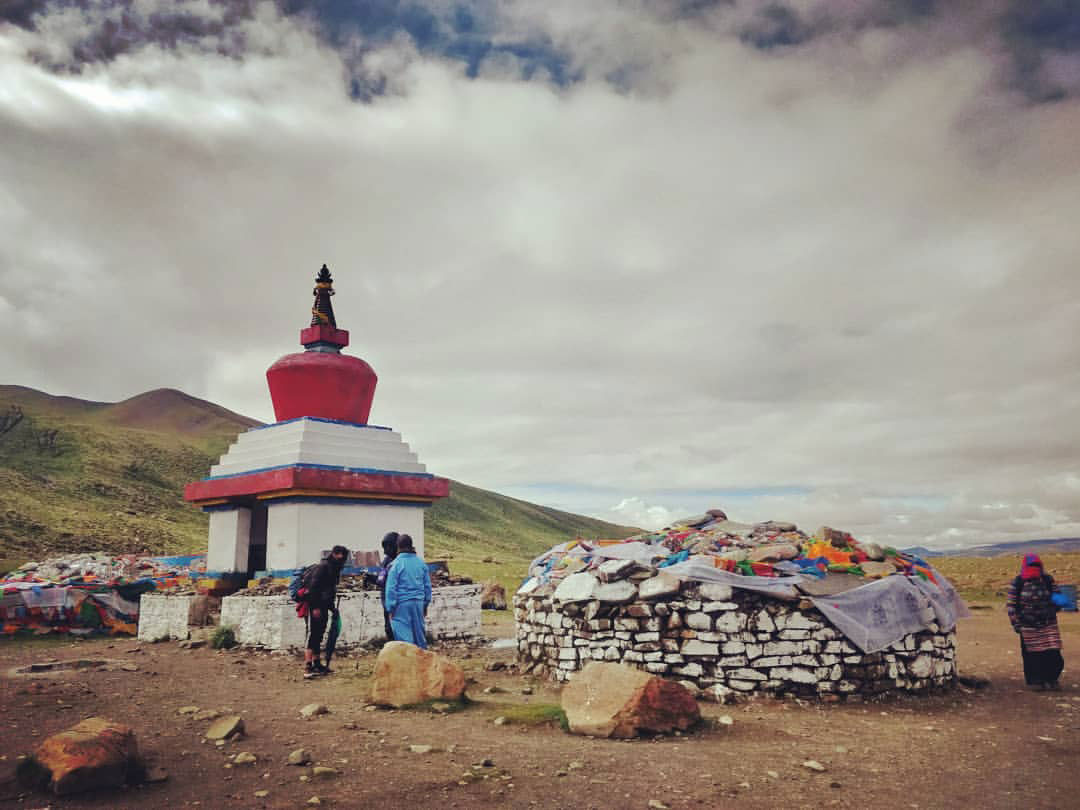
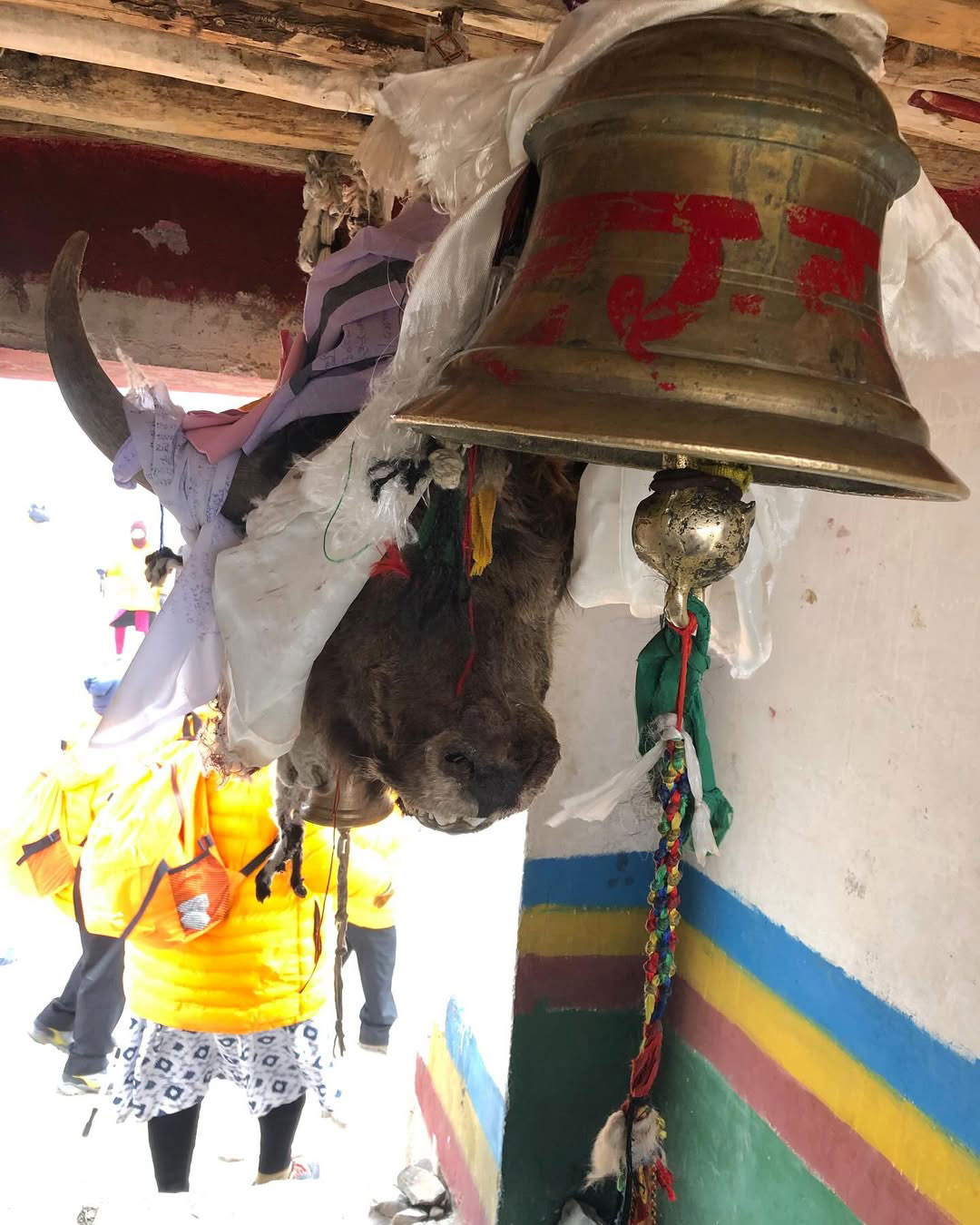
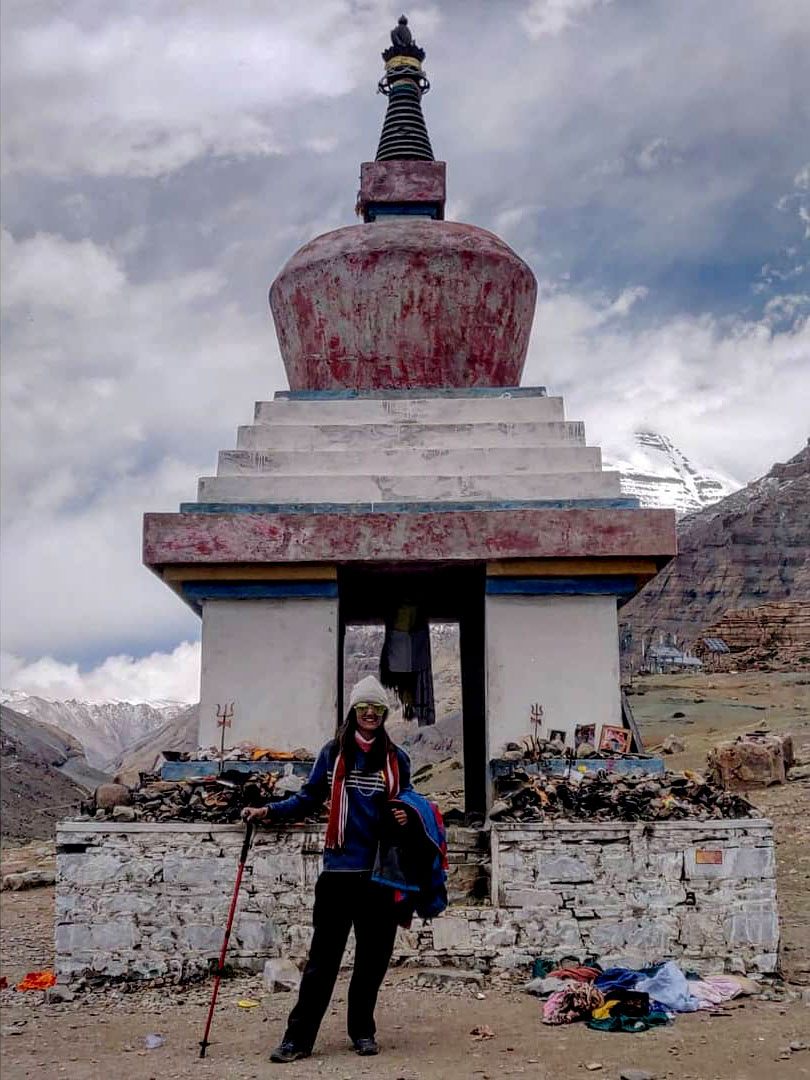
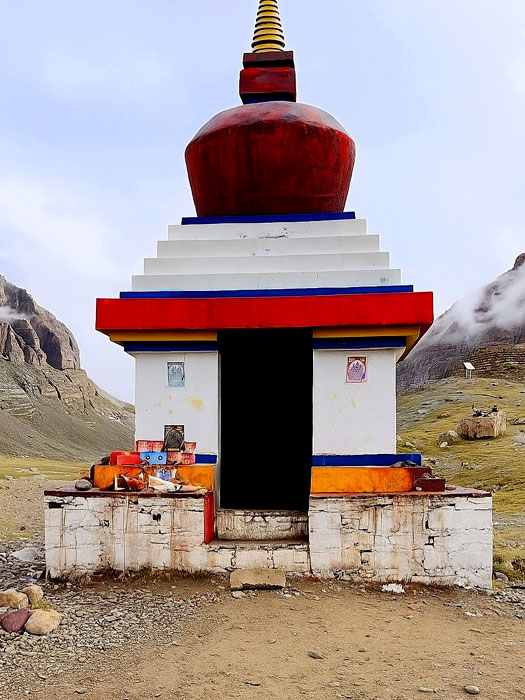
Yam Dwar image showing the sacred entrance gate to Mount Kailash Parikrama in Tibet Tibetan Buddhists call Yam Dwar the Stupa of Liberation or Tar-pa Chorten. They believe travelling through this entrance encourages the cultivation of compassion and wisdom and decreases bad karma. The structure itself, which is built with simple stonework and timber beams, is typical of a Tibetan chorten. It is often shaded underneath colourful prayer flags that flap vigorously in the high-altitude breeze. It is believed these colourful flags of blue, white, red, green, and yellow, actually transmit prayers of safety and tranquility across the highlands. The presence of these prayers lends the place the feeling of being alive with whispered blessings every time the wind gusts. Yam Dwar is ablaze with emotional energy.

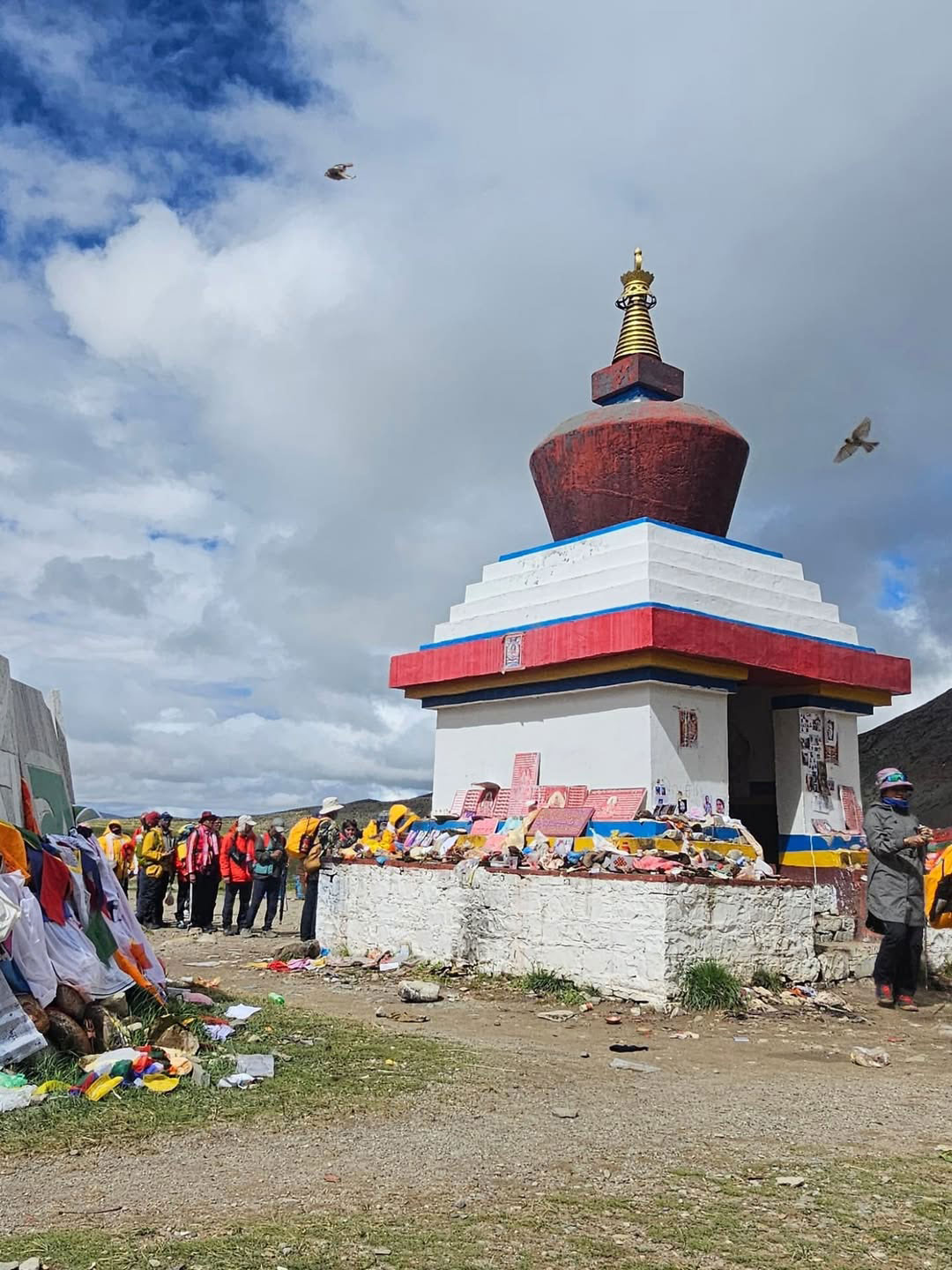
The group of pilgrims arrives with a unique mix of respect, expectation, and maybe anxious enthusiasm. The crossing is usually made slowly; there is a focus on crossing step by step, while engaged in silent meditations or mantras. Some members engaged in pre-crossing practice make a circle around the building, praying for a safe crossing.

Some pilgrims construct what they leave behind, which may include related items such as butter lamps, stones, colored threads, and khata (traditional scarves) as an expression of appreciation and devotion. Upon seeing the atmosphere created by the pilgrims, many visitors are struck and inspired by the moment or atmosphere created by a group of pilgrims, partly broken by the crunch of gravel underfoot and the gentle ringing of the prayer wheels. The group solidarity and purpose made a powerful impression even on those visitors who may not otherwise consider themselves religious.

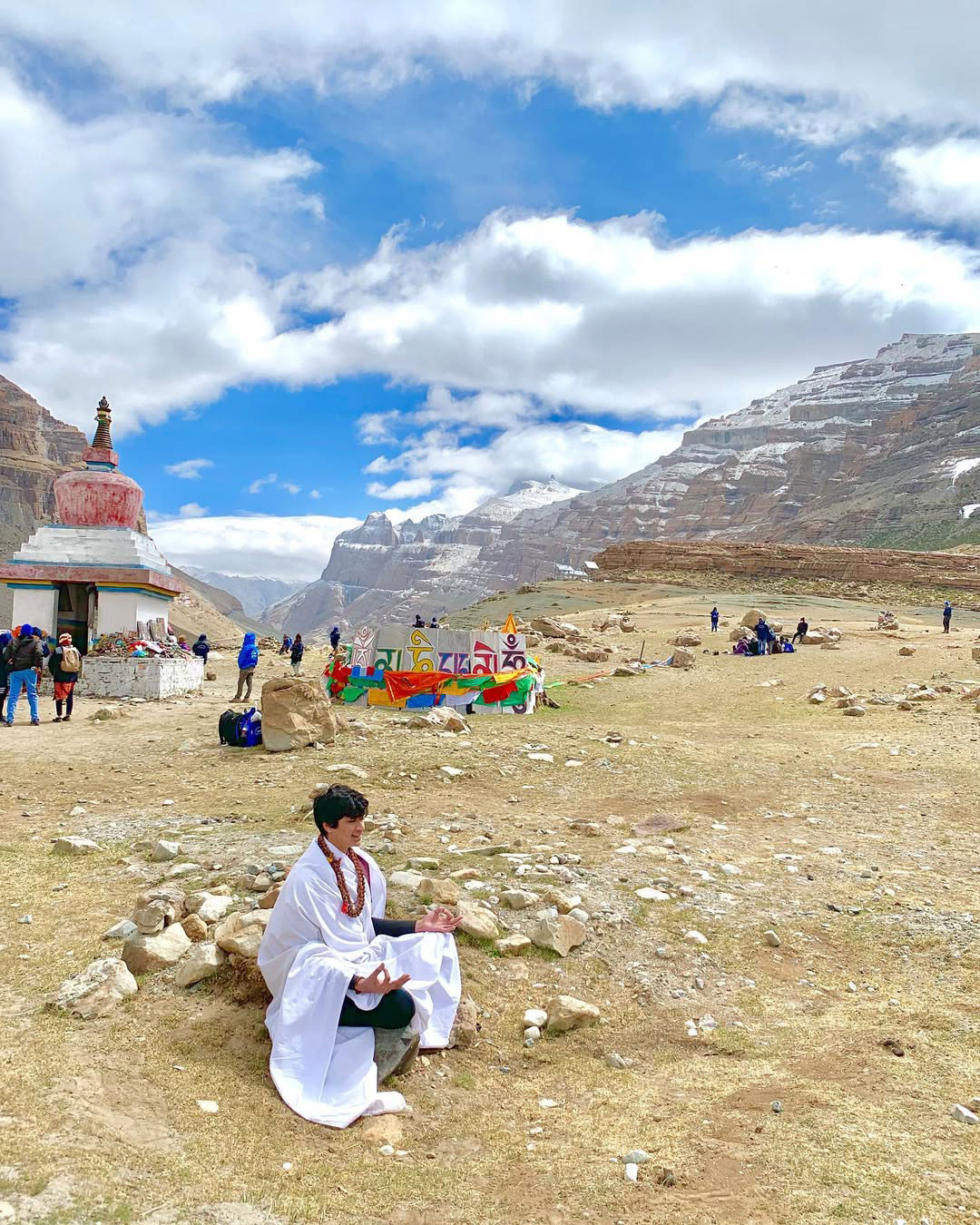
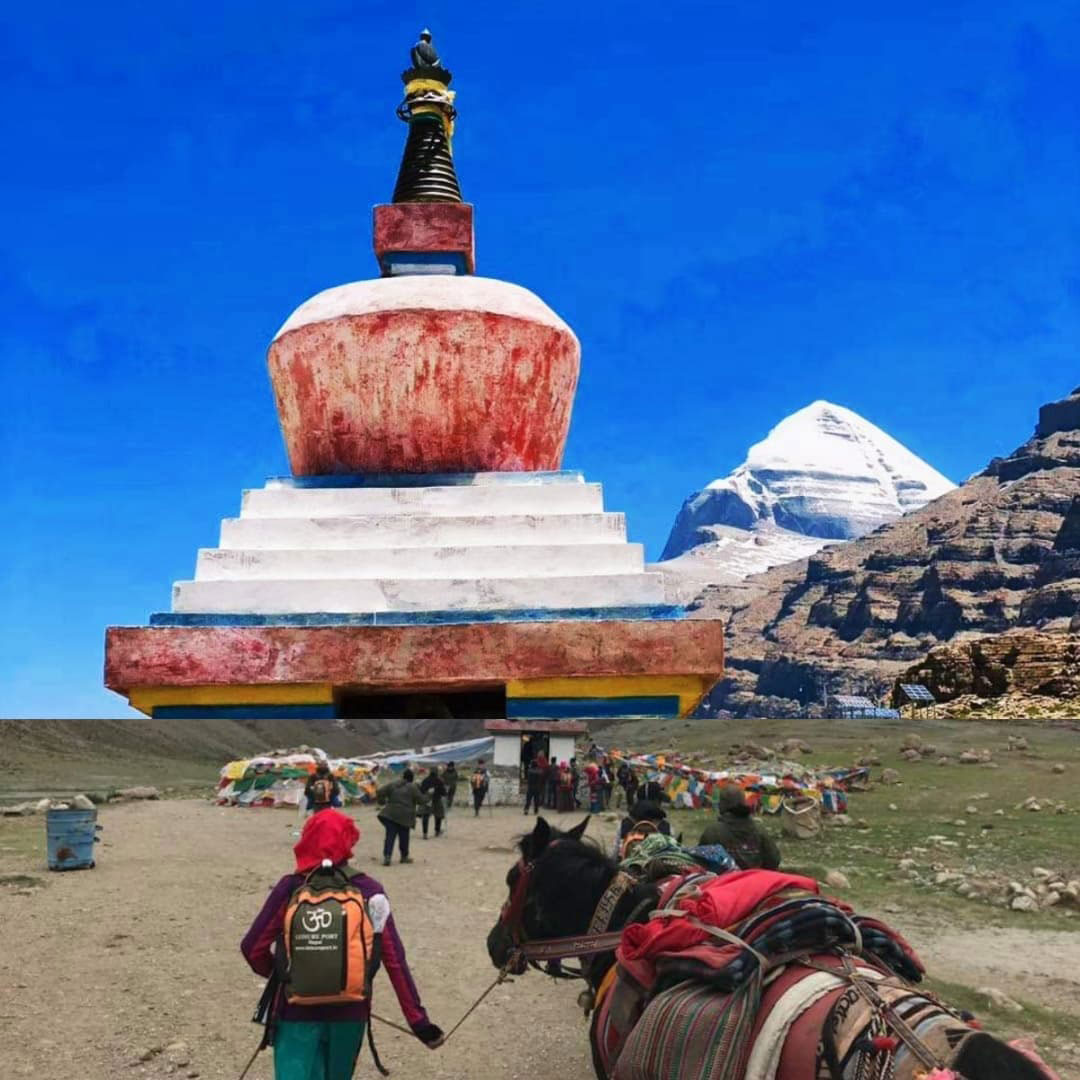
Group of trekkers standing near Yam Dwar with Mount Kailash in the background during the Kailash Mansarovar Yatra When you pass the Dwar, the 52-kilometer Kailash Parikrama, stressful to the body but rewarding to the soul, has begun. You will enjoy some of the most breathtaking views of Mount Kailash in the first phase of the hike from Yam Dwar to the remote village of Dirapuk, and spectacular views of the mountain as its north face is revealed. Despite its renown for unpredictable weather, thin air, and challenging hiking, every year, thousands of souls travel to this remote location for reasons associated with their religion and quests for personal transformation. Yam Dwar symbolizes the separation between our worldly existence and the conditions for our Southern journey in spirituality.

While there have been improvements in the accessibility of Yam Dwar in recent years, with better infrastructure and organized tours, travel to the site required a great deal of effort and time in the past due to the remoteness and poor road conditions of the area. Despite modern conveniences, the natural environment remains pristine and unblemished. It is suggested that travelers be respectful of the local customs, refrain from making noise, and not touch religious items unless they have explicit permission to do so.

The site, then it’s fair to say, is very important culturally and spiritually to the Tibetan people, so protecting and respecting its purity and dignity is paramount.

Yam Dwar signifies the collective notion of transition, independent of any religious frameworks. It denotes change, leaving behind, acting courageously, and willingly going out into the unknown. Travelers often share that there is a feeling of perspective washed over them while standing at the gate. The simplicity of the structure allows it to contrast beautifully with the significance of that experience. While not flashy or ornate, it has a timeless power that transcends the individual traveler.

The experience of Yam Dwar lasts long after the journey is finished, whether considered through the lens of faith, myth, or as an artifact of culture. Silence, spirituality, nature, and human emotion blend together to create a memory that is left imprinted in the heart and the spirit. For some, it represents the start of one of the greatest challenges of their lives; a trial for others that serves as a gentle reminder of the necessity for introspection and humility. And for many others, it is simply a moment of awe, an experience of being in the anticipation of something greater, more intelligent, and beautiful.

Frequently Asked Questions

Ans: Absolutely, this landmark, a gateway that leads you to Kailash Kora, opening doors to a spiritually charged experience of visiting Kailash and experiencing what the true essence of devotion looks like.

Ans: For travellers all across the globe, it's important that you get your passport, visa, and book your itinerary with the travel agent, as you can't travel without a guide (this can't be bartered with anything). And make sure all your paperwork (health, insurance, and travel documents) is on point.

Ans: It's around 15km away, which takes approximately 8 hours journey both by vehicle, then followed by foot, as the terrain is rugged and not suitable for vehicles.

Ans: No, absolutely not, there's no such existing discrimination. If you simply love adventure or love getting close to nature to explore it, then this Yam Dwartrip is something that can bring you a fulfilling experience.

Ans: No, there is no place to stay near Yam Dwar, as it is believed to be dangerous and unsafe.

Why book Kailash Yatra with Us?

Not only one, but there are multiple reasons explaining why you should vouch for us!

10+ Years of Trusted Travel Planning

A decade of curating smooth, personalized tour for families & groups.

1,00,000+ Happy Explorers

Thousands of delighted travelers and tailor-made journeys to iconic and offbeat destinations.

Rated 4.7 on Google & More

Backed by 6,000+ glowing reviews on Google, Instagram, and Facebook.

Dedicated 24x7 Travel Support

From pre-departure assistance to on-trip queries β€” we're always a message away.