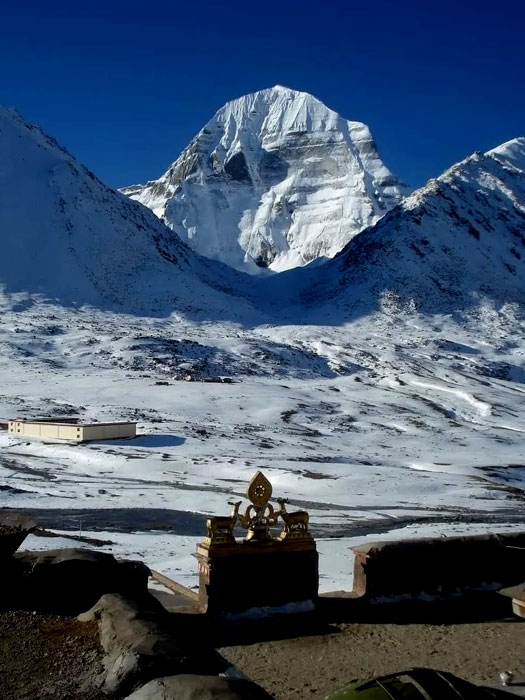
Journey to Divine Nandi Parvat

About Nandi Parvat

Where loyalty breathes through the cold winds, and the cliffs stand guard over age-old tales of devotion and divine presence.

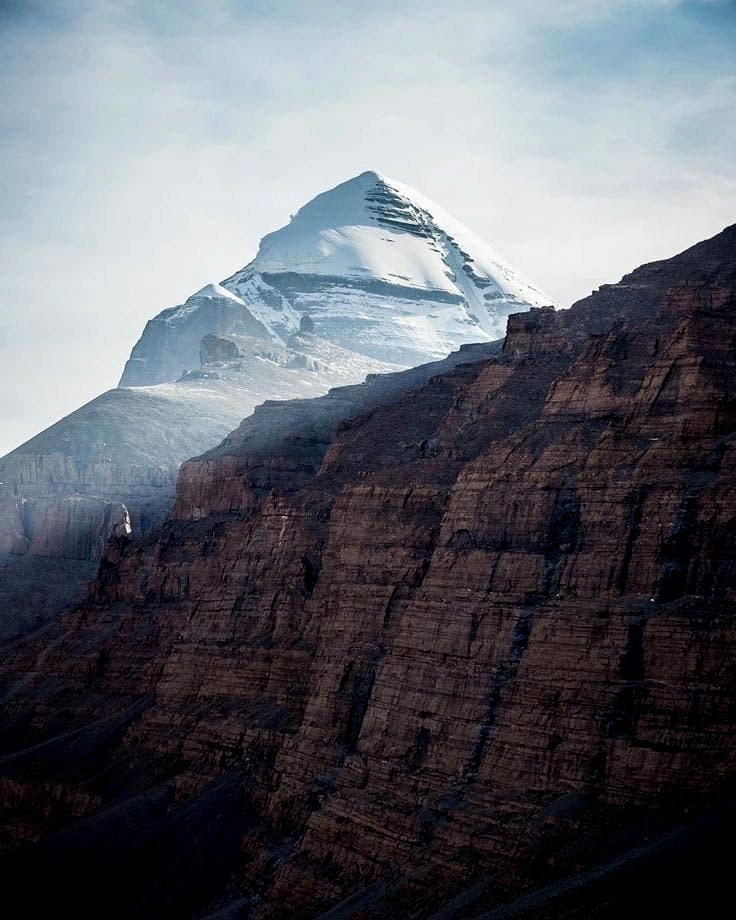
Nandi Parvat, a mountain that evokes such emotion for Kailash pilgrims, rises at the point where the guardian spirit of the Himalayas seems to watch over every man, and where ancient worship echoes across the incredible cliffs. Nandi Parvat, rising in the western Tibetan Himalayan region, is believed to serve as the sacred seat of Nandi, the holy bull who is Lord Shiva's devoted servant and faithful charioteer. Mount Kailash is viewed as the throne of Shiva, and Nandi Parvat is generally perceived as the outpost where Nandi keeps a watchful eye on the mountain and the surrounding plain, as a symbol of loyalty, power, and strength.

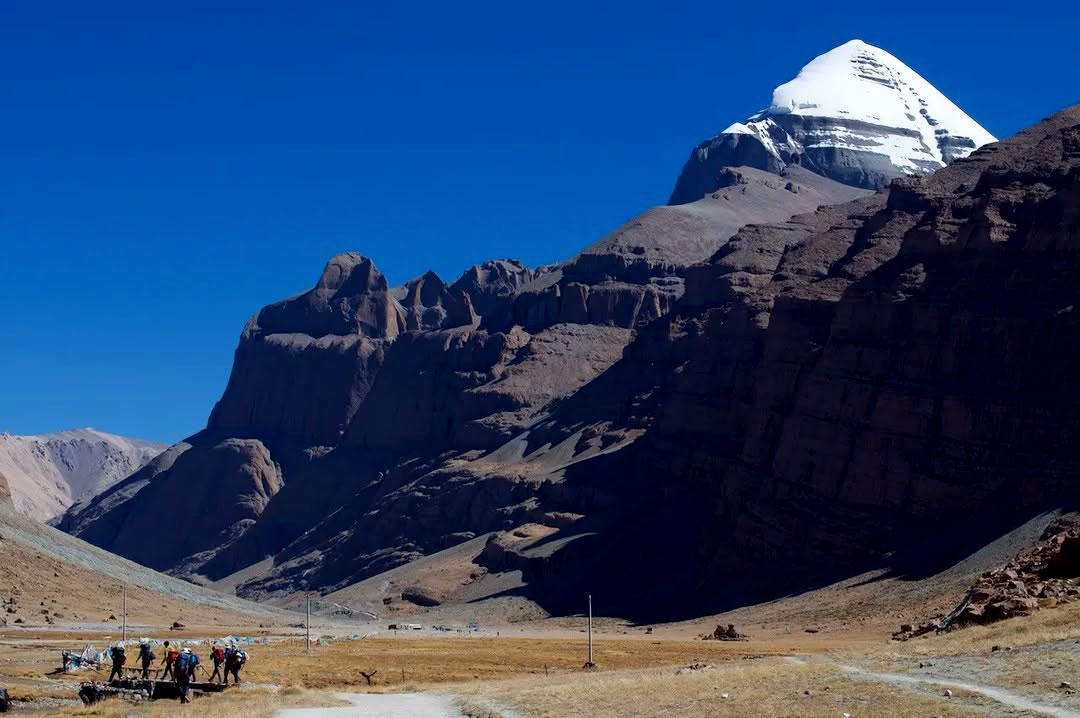
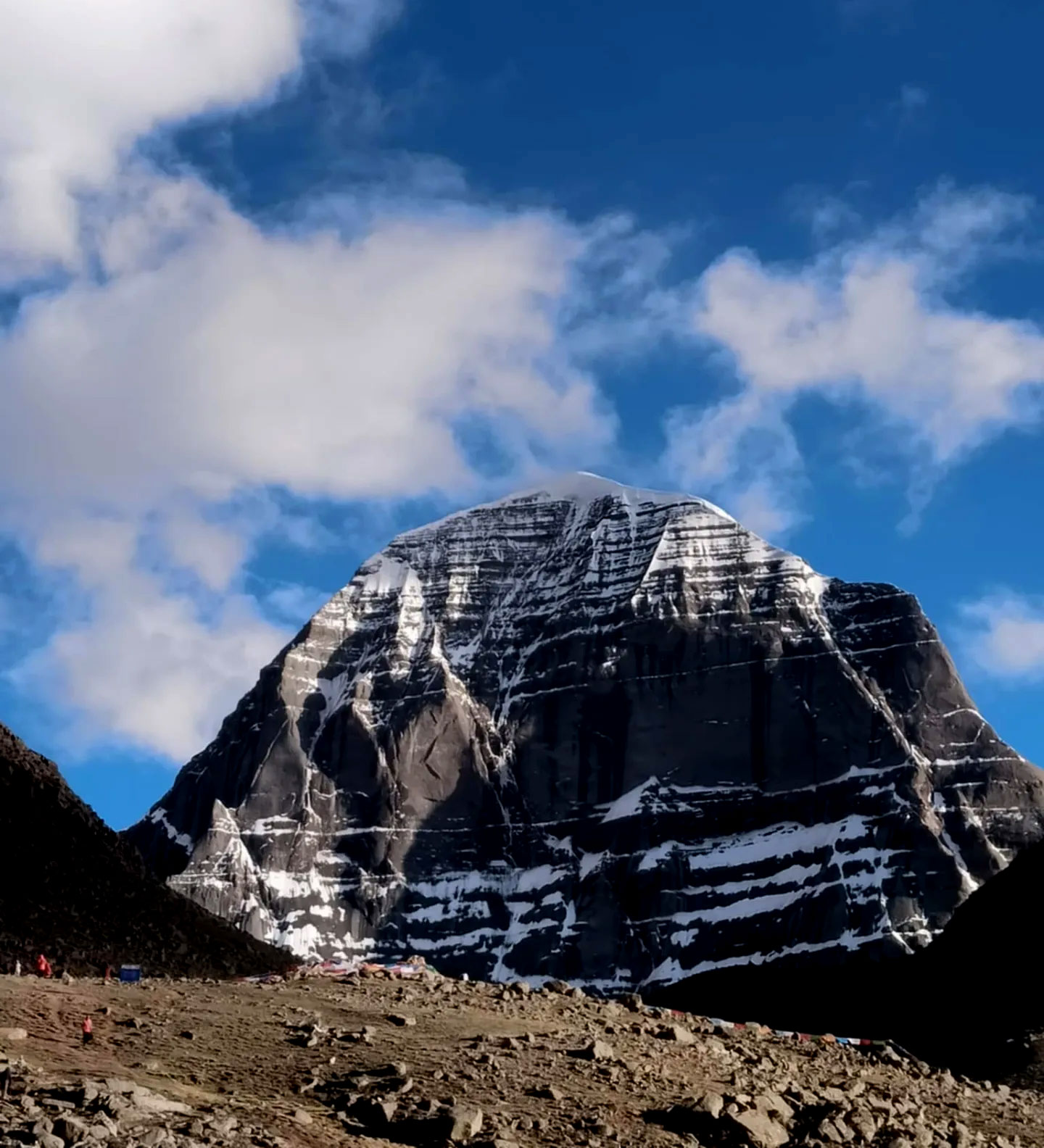
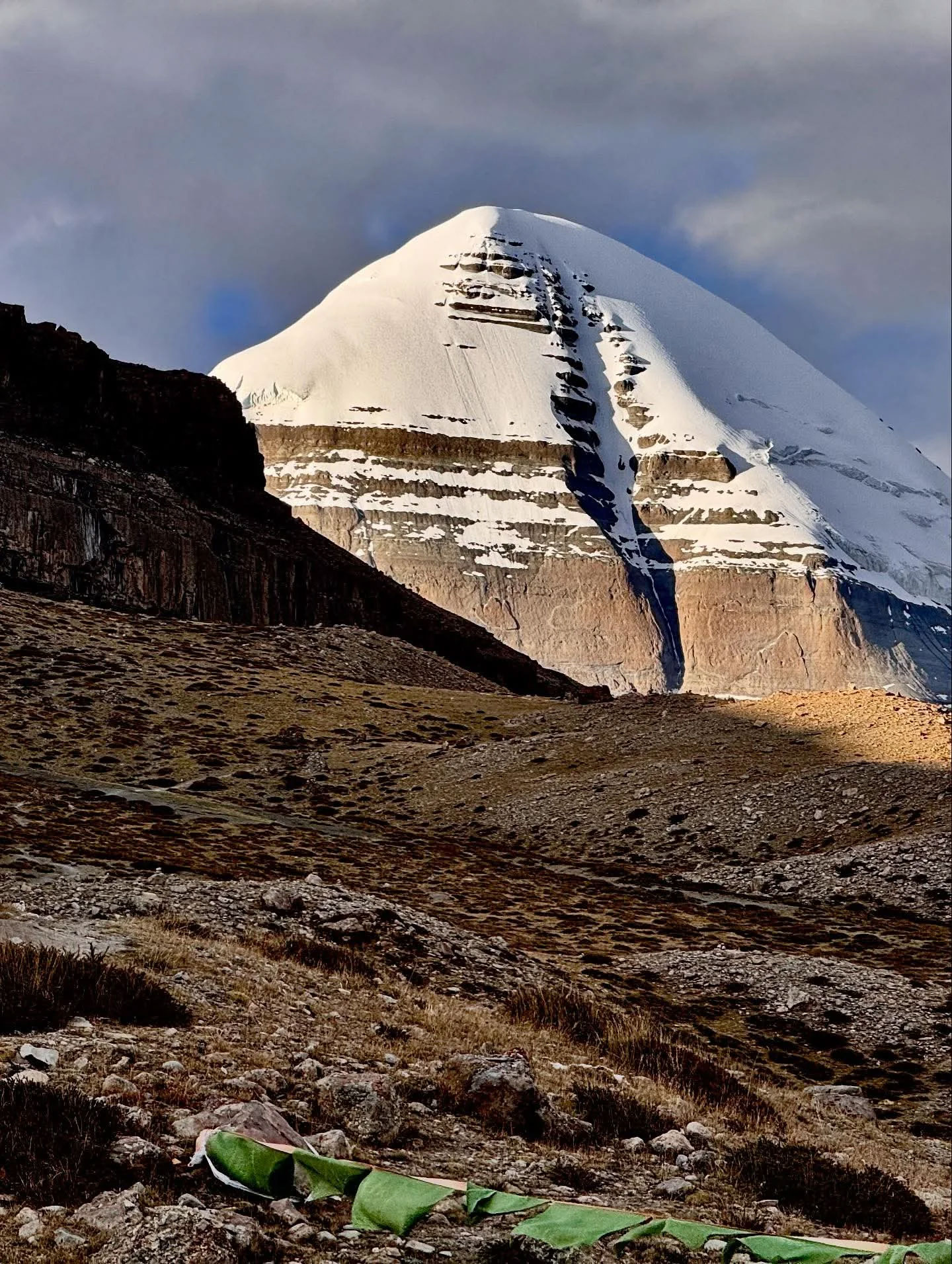
Nandi Parvat is a formidable formation that can be noticed through the different phases of the Kailash Kora and is very near to Mount Kailash. The peak of the mountain has attracted pilgrims, climbers, scientists, and spiritual seekers as it looks like the head of a bull from various angles. The mountain, with its rocky strata and conical summits, radiates such astonishing power that it seems almost the work of a god. The sunlight illuminating the slopes and casting shadows that softly outline a sleeping bull makes it appear that Nandi is silently standing at the entrance of Shiva's heavenly abode and, at the same time, watching over the holy ground.

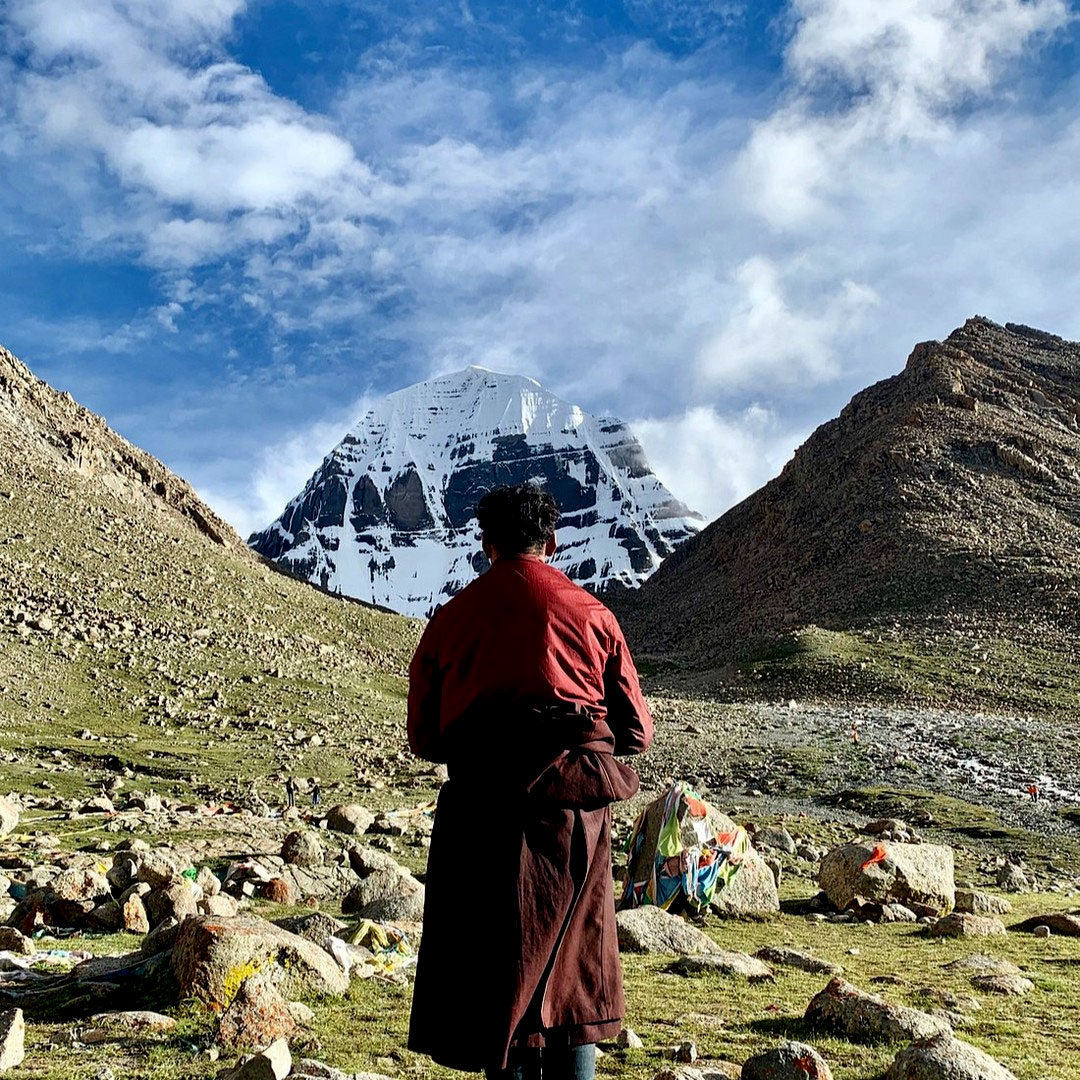
A serene view of Nandi Parvat, the sacred Himalayan mountain known for its spiritual and mythological importance In Hindu mythology, the mountain holds an extremely significant position. According to ancient beliefs, Nandi not only rides Shiva but is also his most faithful servant, and, in addition, his gatekeeper and the first among his devotees. The never-ending dedication of this duo is symbolized by Nandi Parvat, which is always on the right side of Kailash and, thus, will never cease to protect the presence of the gods. Before actually setting foot on Mount Kailash, many pilgrims assume seeing Nandi Parvat is a sort of spiritual welcome, as if the very guardian grants them permission to draw near the holy area. This gesture is regarded as very important, especially by those who walk the path with humbleness and commitment.

The summit is not only recognized in Tibetan tradition, but it is also considered to be part of the sacred geographical area that encompasses Mount Kailash, which is also called Kang Rinpoche. The adjacent peaks are believed to have distinct qualities and roles in maintaining the sanctity of the region according to the Bon and Buddhist religions. The protective symbol of Nandi Parvat, one of the most famous companions of Kailash, radiates and gives power to the spirituality of the region.

People who travel to and through the mountain area, especially those who are mentally prepared for and physically fit for the high-altitude challenging way, usually feel comfortable and reassured by the view of the mountain.
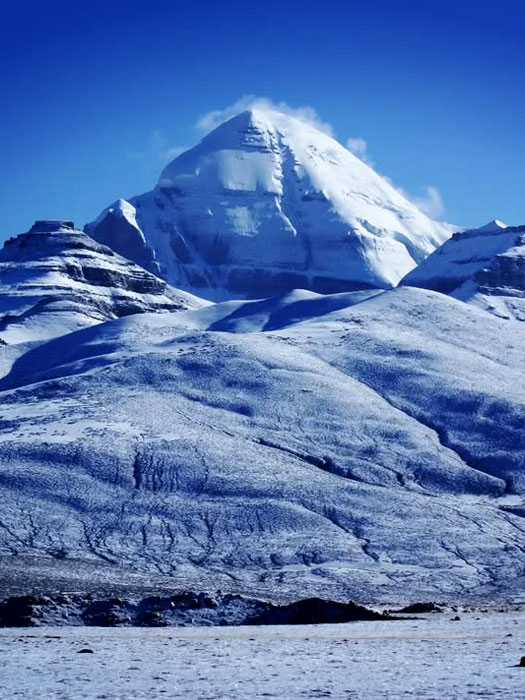
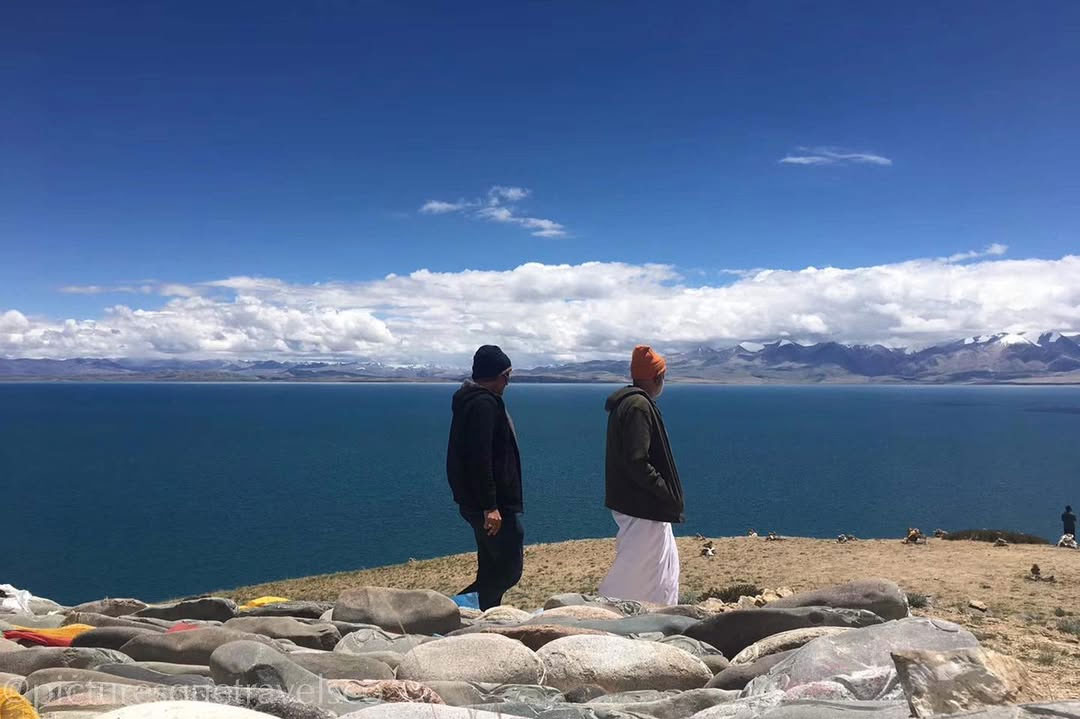
Nandi Parvat overlooking the sacred Mount Kailash in the HimalayasNo matter if one approaches from Darchen, Dirapuk, or the vast plains, experiencing Nandi Parvat typically begins with coming upon Mount Kailash. The enormous size and unique shape of the peak capture attention almost immediately after it comes into view. The wilderness surrounding Kailash is pristine, an accidental beauty accompanied by silence. The wind carries the scents of dry earth and high-altitude air as it whistles across the rocky trails. One feels a distinct sensation of stepping into a landscape untouched by time as one experiences this combination of open skies, rocky cliffs, and the constant profile of Nandi Parvat.

Nandi Parvat is a constant companion during the whole circumambulation around Kailash, appearing at different spots along the route. The area of the north face near Dirapuk provides the most stunning views, where Nandi Parvat beautifully outlines the skyline like a loyal protector keeping an eye on the sacred mountain.

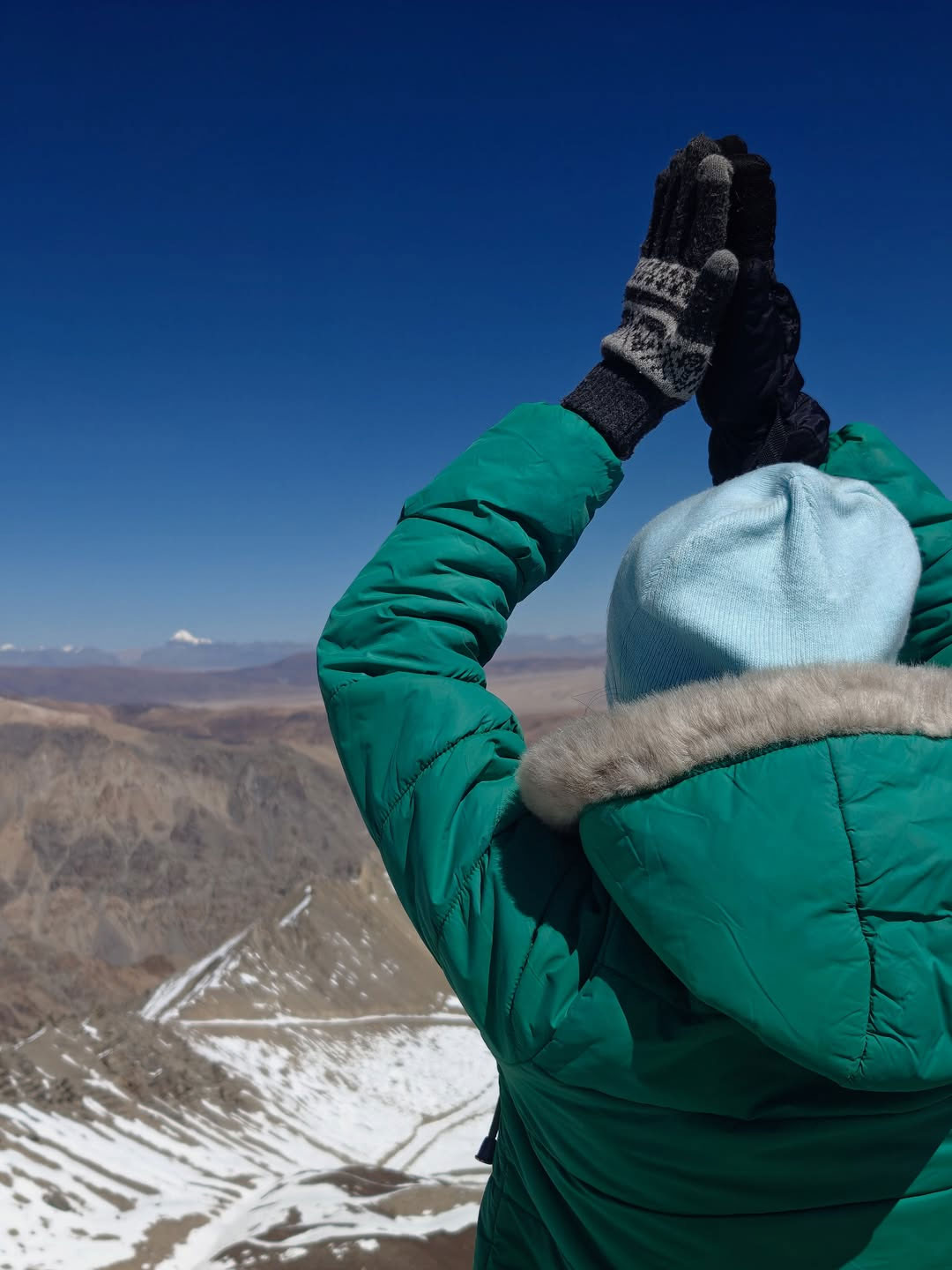
The pilgrims quite often pause to appreciate its shape, implicitly recognizing its likeness to a meditative bull. There are some who regard the protective spirit that is believed to impart good luck for the trip, and as a gesture of respect, they leave little offerings or hang prayer flags toward the mountain.

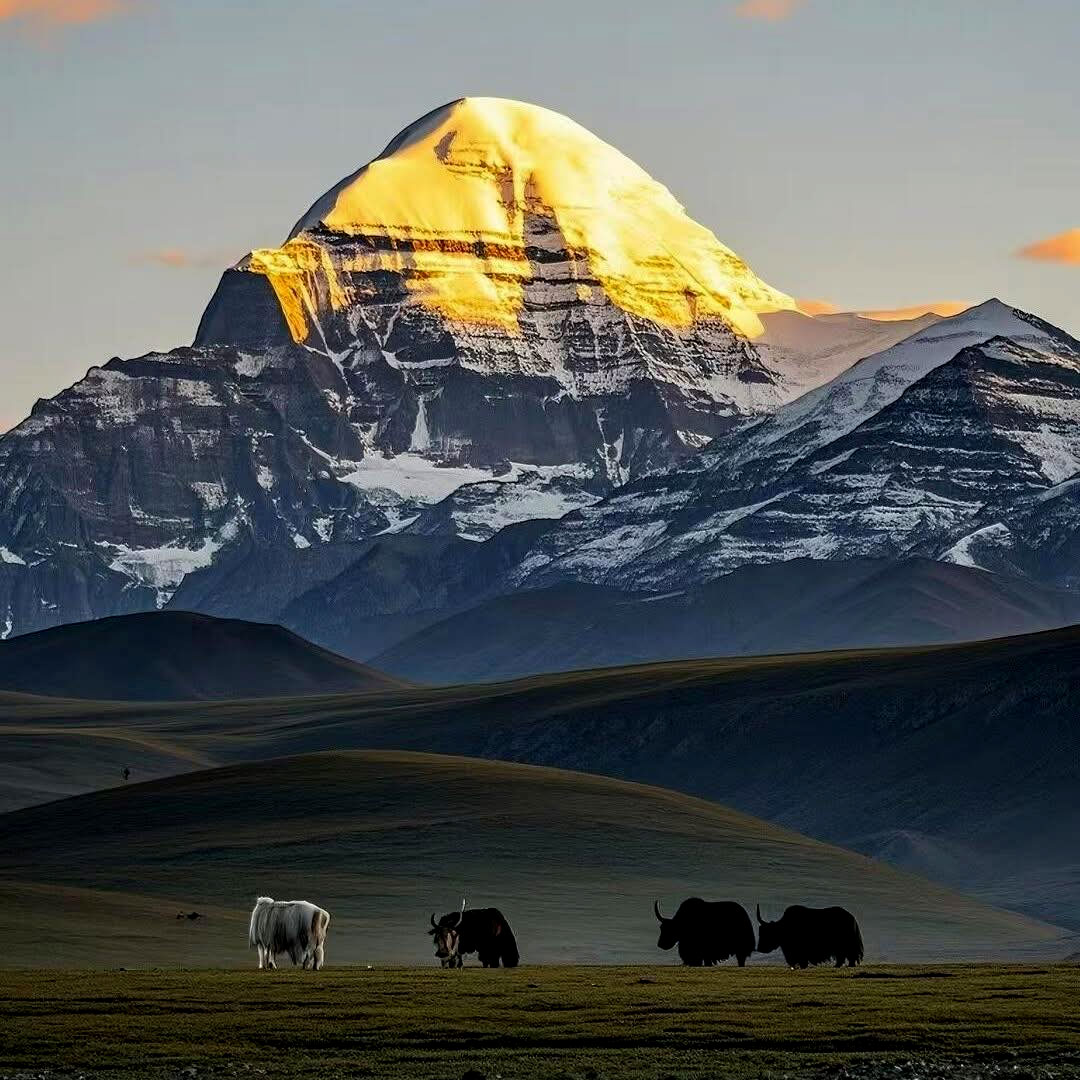
The surrounding environment emanates a natural aura, making the parvat look majestic. Despite being 4,590 m above sea level, there are patches of green, glossy-looking rocks, chilly winds from glaciers, and the vast yet dramatic background add to the ethereal beauty. At times, the clouds open up just enough to expose the mountain peak in spectacular clarity as they cruise slowly by. The mountain itself is a reminder of the tranquility and contemplation related to Lord Shiva, bathed in a gentle golden illumination in the morning, and turning a cold grey-blue as the day progresses into the evening.

On occasion, a soft layer of snow covers the summit, creating a divine elegance to an already beautiful shape. Nandi Parvat embodies the essence of the Kailash area: the blending of remarkable symbolism, magnificent views, and divine energy coming together to create an experience. The mountain leaves an impression, whether seen as the eagle-eyed guardian of Shiva, a natural masterpiece, or a hero of steadfast faith. Everyone who witnesses it takes part in a special event- a moment of reflection, devotion, and connection to something greater than the mundane world, because it observes the land, the pilgrims, and the route to Mount Kailash in silence.

Use Tab to focus an item, Enter or Space to open. Use Left / Right to navigate, Esc to close.

Frequently Asked Questions

Ans: It holds so much value because it's known to be the residence of Nandi, the sacred bull of Lord Shiva, as well as the one who guards Kailash Parvat.

Ans: No, travellers aren't allowed to climb the mountain as it's sacred and also has a nearly impossible trek, so you can do the darshan from a distance.

Ans: Yes, the shape of the mountain resembles a bull, which gives the idea that the mountain itself is Nandi.

Ans: The best views are near Dirapuk and along portions of the Kailash Kora.

Ans: No, a visit/darshan to the Parvat is included in the Kailash Yatra trip, so no separate permit is required.

Why book Kailash Yatra with Us?

Not only one, but there are multiple reasons explaining why you should vouch for us!

Icon Choose

10+ Years of Trusted Travel Planning

A decade of curating smooth, personalized tour for families & groups.

Icon Choose

1,00,000+ Happy Explorers

Thousands of delighted travelers and tailor-made journeys to iconic and offbeat destinations.

Icon Choose

Rated 4.7 on Google & More

Backed by 6,000+ glowing reviews on Google, Instagram, and Facebook.

Icon Choose

Dedicated 24x7 Travel Support

From pre-departure assistance to on-trip queries — we're always a message away.

KmYatra WhatsApp