Aerial Darshan
Chartered Flight - 03 Days
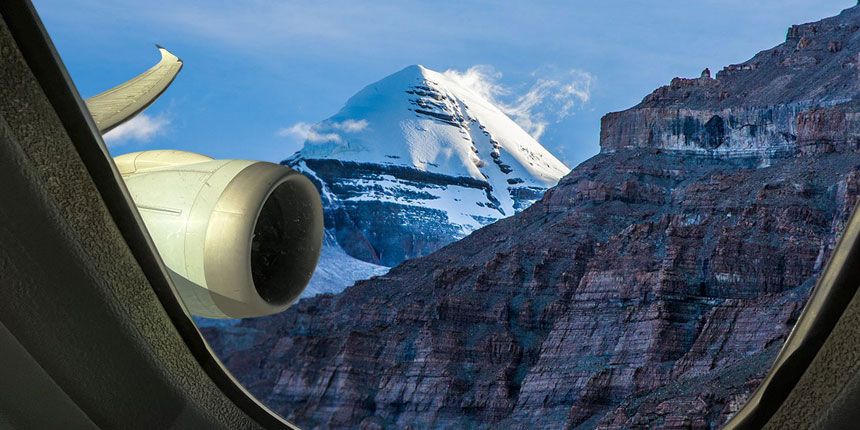
The sacred Mount Kailash and Lake Mansarovar have been revered for centuries as the ultimate pilgrimage sites for Hindus, Buddhists, Jains, and Bon followers. Nestled deep within the Tibetan plateau, this mystical region has long been considered the abode of Lord Shiva, where divinity and serenity coexist. Traditionally, the Kailash Mansarovar Yatra demanded weeks of trekking through rugged terrains, unpredictable weather, and high altitudes.
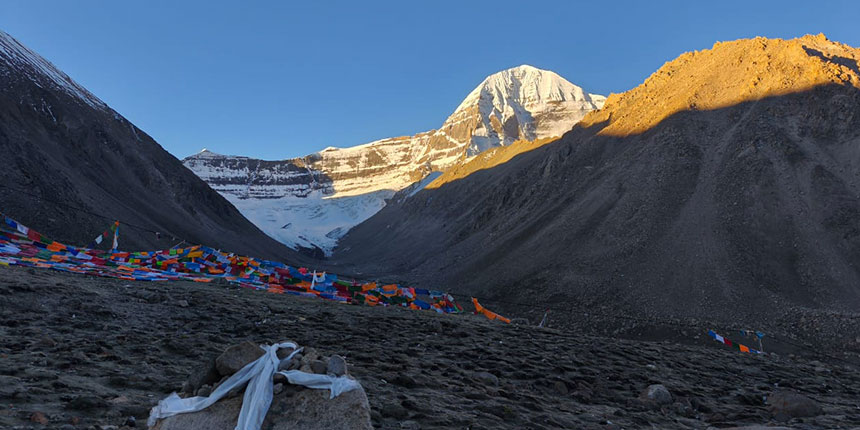
The Mount Kailash–Mansarovar Yatra is one of the most sacred and spiritually significant pilgrimages in the Himalayan world. For Hindu, Buddhist, Jain, and Bon practitioners, circumambulating Mount Kailash (the Kora) and bathing in Lake Mansarovar is considered a lifetime pilgrimage. But preparing for this journey — from securing permits to picking the right operator — requires care, planning, and due diligence. In this blog, I’ll guide you through how to book the Kailash–Mansarovar Yatra, criteria for choosing a trustworthy website or operator, pitfalls to watch out for, and sample credible options you can explore.
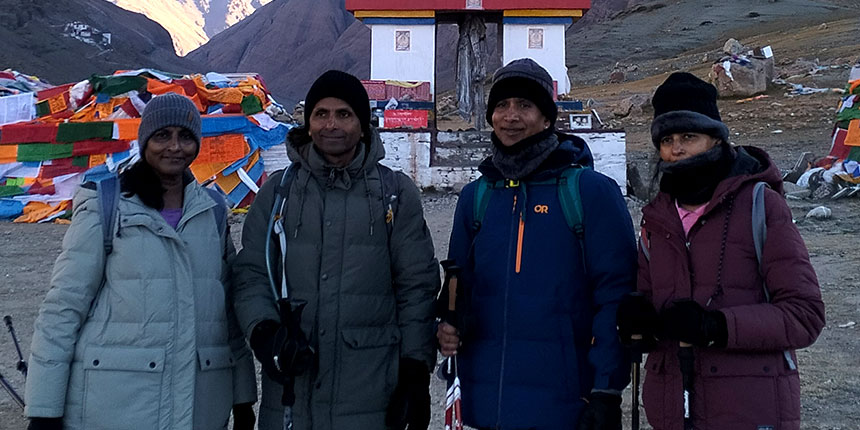
For years, I dreamt of a spiritual journey that went beyond travel — something that would test my physical strength, cleanse my inner being, and connect me to a divine energy. That dream took shape when I finally embarked on the Kailash Mansarovar Yatra, with a focus on the challenging yet soul-transforming Inner Kora Trek of Mount Kailash. I am Avinash Anant from Delhi, and in this blog, I share my personal experience of this extraordinary journey — not just as a traveler but as a seeker.
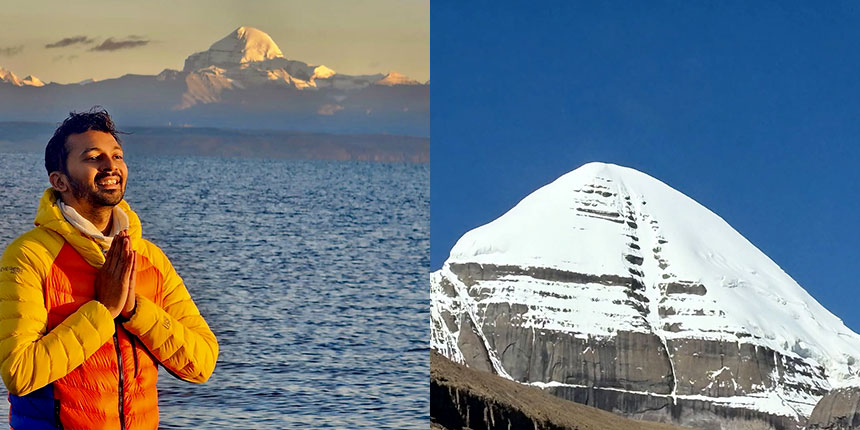
Mount Kailash, an awe-inspiring peak in the remote western Himalayas of Tibet, is considered the most sacred mountain in Hinduism, as well as in several other religions including Buddhism, Jainism, and Bon. Rising majestically to 6,638 meters (21,778 feet), it stands apart from the surrounding ranges with its symmetrical, pyramid-like shape, crowned with snow year-round. For Hindus, Kailash is not merely a geographical landmark—it is the mythical abode of Lord Shiva, one of the principal deities of the Hindu pantheon, and his consort, Goddess Parvati. But why is Kailash so intrinsically linked with Shiva, earning the epithet “Shiva’s mountain”? The answer lies in mythology, spirituality, and cultural tradition.
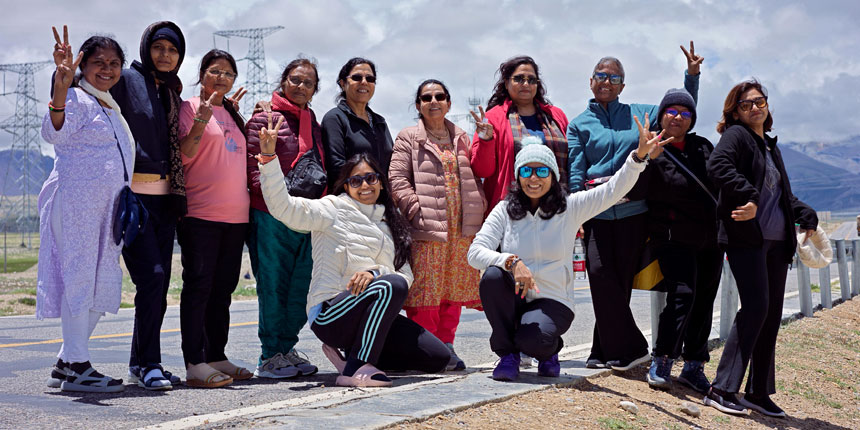
The Mount Kailash Yatra is one of the most revered spiritual journeys in the world, drawing thousands of devotees and adventure seekers every year. For Hindus, Buddhists, Jains, and followers of Bon, Mount Kailash holds immense religious significance. A pilgrimage to this sacred mountain in Tibet is considered the ultimate spiritual experience. Planning and booking your Kailash Yatra can seem daunting, but with the right guidance, it can be a smooth and life-transforming journey.
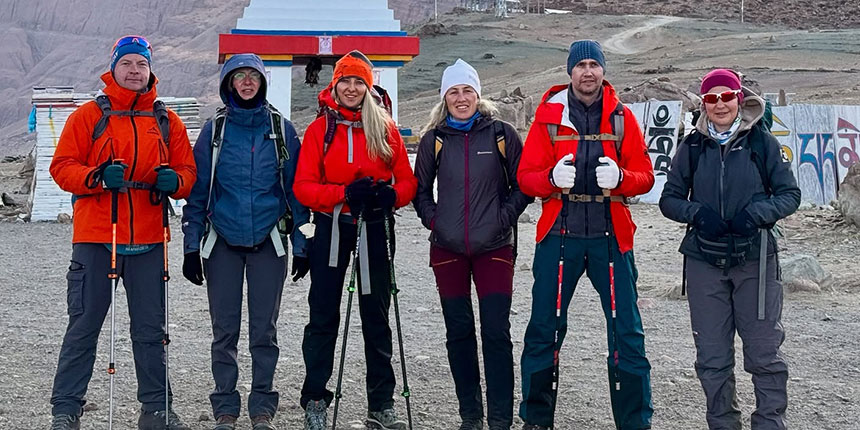
Every few steps, the air thins. Every dawn brings sharper mountain shadows, every prayer flag flutters louder against the sky. For many travellers globally, few journeys rival the Kailash Mansarovar Yatra—a pilgrimage not just of distance, but of the heart.
If you are considering the Yatra in 2026, here’s your essential guide: what it is, why it matters, how to plan, and how to prepare—especially from an international traveller’s perspective.

Mount Kailash, revered as the abode of Lord Shiva, is not just a mountain—it is the epicenter of faith, spirituality, and mysticism. Every year, thousands of devotees dream of embarking on the Kailash Mansarovar Yatra, a journey that is as challenging as it is transformative. With the 2026 Yatra season approaching, one crucial decision for every pilgrim is choosing the best Kailash Yatra tour operator who can provide a seamless, safe, and spiritually enriching experience.
The Kailash Mansarovar Yatra is one of the most sacred and life-transforming pilgrimages for Hindus, Buddhists, Jains, and Bon followers. Every year, thousands of devotees undertake this spiritual journey to seek blessings of Lord Shiva and experience the divinity of Mount Kailash and Lake Mansarovar.
However, the yatra is not just spiritually demanding but also financially challenging. With costs often ranging from ₹1.5 lakh to ₹3 lakh (or even more, depending on the route and services), many devotees find it difficult to manage the expenses. But with smart planning, budgeting, and wise decisions, you can reduce unnecessary costs and make your Kailash Mansarovar Yatra more affordable.
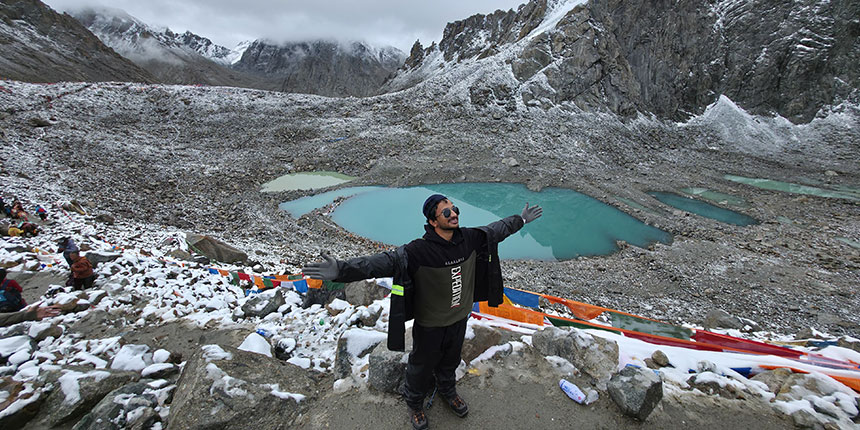
My name is Mr. Satyabrat Mohanty, and in June 2025, I had the divine opportunity to undertake one of the most sacred pilgrimages in the world – Mount Kailash Yatra. Words fall short when I try to describe the experience of standing before the majestic Mount Kailash, believed to be the abode of Lord Shiva. For me, it was not just a journey; it was a life-transforming experience, a spiritual awakening, and a moment where I truly felt the presence of Lord Shiva.
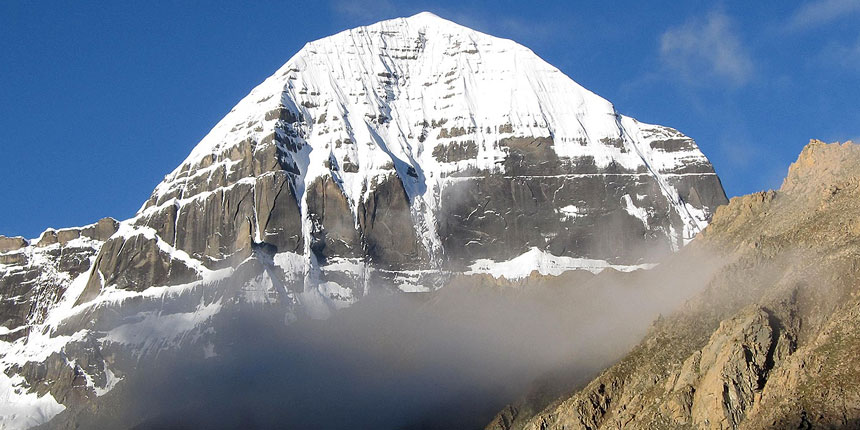
Mount Kailash—Kang Rinpoche to Tibetan Buddhists, Gang Tise to geographers—sits like a carved monolith at the heart of the Trans-Himalaya. From afar, it looks improbably geometric: four sweeping faces, snow-limned ridges that appear to meet like the edges of a giant, natural pyramid. Pilgrims from four major faiths (Hinduism, Buddhism, Jainism, Bön) have circumambulated it for centuries. Scientists, meanwhile, have mapped, measured, and modeled—and yet in 2026, Kailash still guards a handful of genuine puzzles. Some are myths that refuse to die. Others are legitimate, open research questions at the frontiers of geology, glaciology, and high-altitude biology.
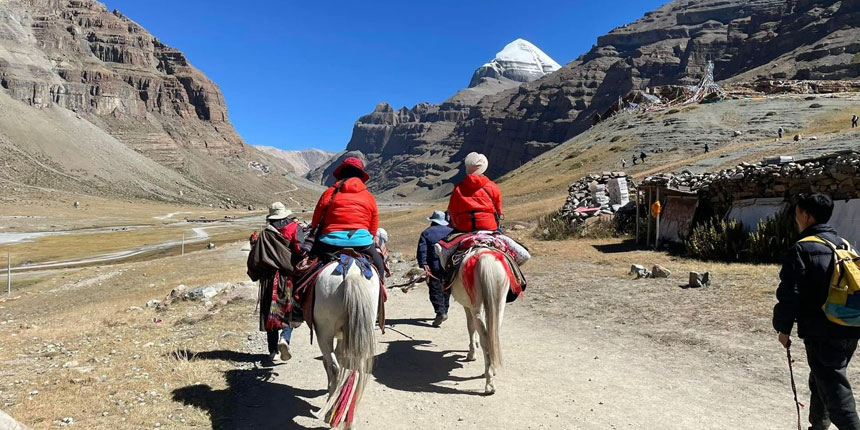
2026 marks the Tibetan Year of the Horse, an extraordinarily auspicious time for undertaking the Kailash pilgrimage. According to Tibetan and Hindu tradition, performing the Kora (circumambulation) in the Year of the Horse is believed to hold the spiritual merit of Thirteen Koras at any other time.
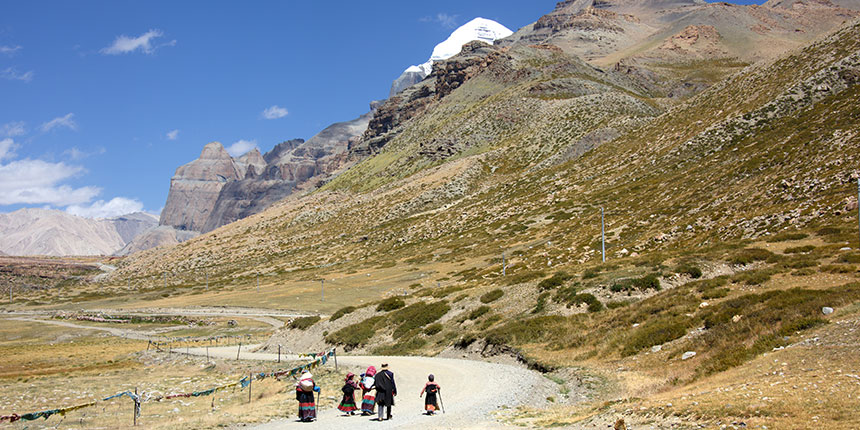
Kailash Mansarovar is a place that holds great spiritual importance for people of many religions. Located in the western region of Tibet, this mystical land is home to the sacred Mount Kailash and Lake Mansarova. For centuries, people have made the arduous journey to Kailash Mansarovar to seek spiritual enlightenment and experience a transformational journey, and they also do the Kailash Parikrama. The tallest mountain, Kailash, which rises to a height of 6,675 meters, is believed to be the sacred home of Lord Shiva and Goddess Parvati. Since ancient times, pilgrims from many other religions have been drawn to the mountain because of its tremendous importance in Hinduism, Jainism and among Tibetans.